
Tools & Gardening Tips
Why you need Japanese secateurs
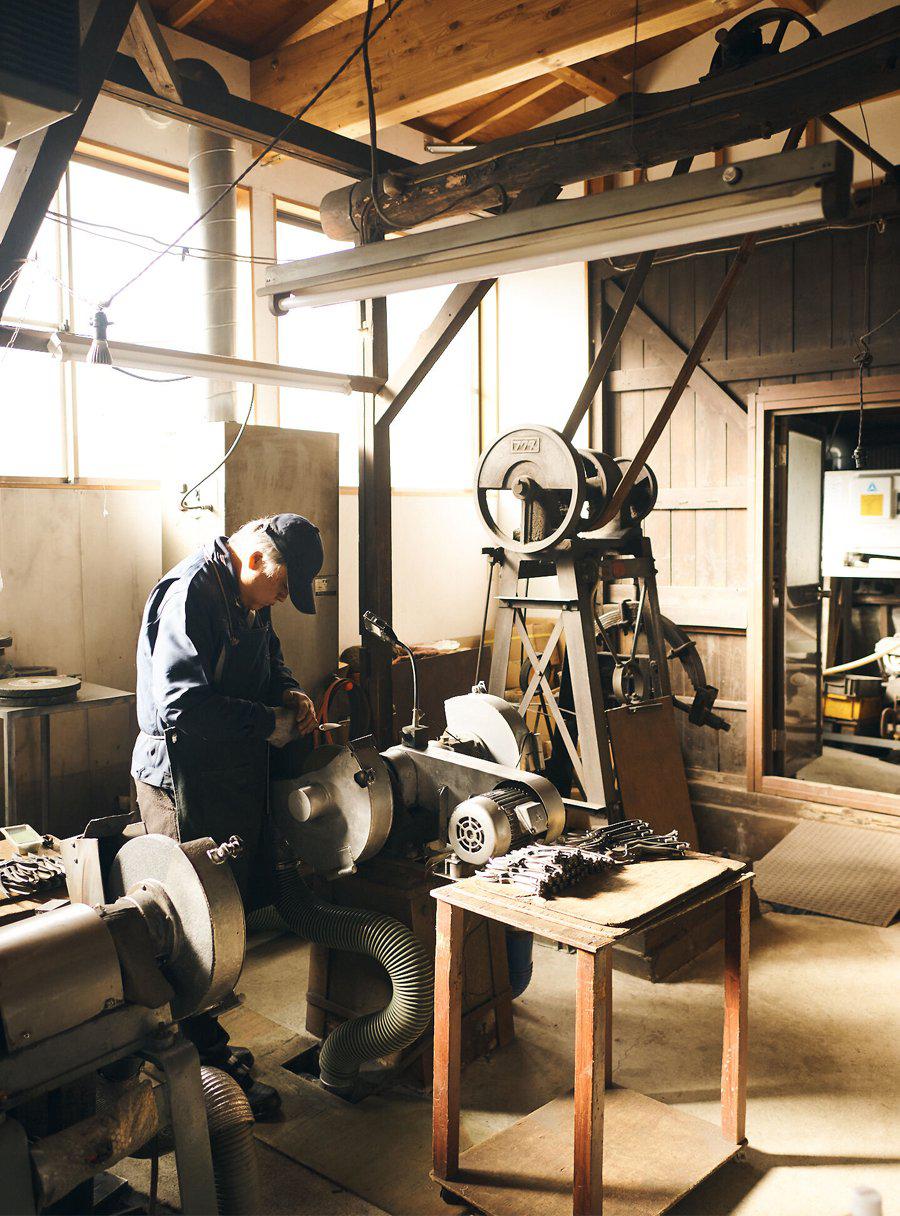
Among the most renowned Japanese gardening tools, secateurs hold a special place. Far more than simple tools, they embody a craft honed over centuries, at the crossroads of gardening and Japanese forging tradition.
Each secateur is carefully designed to offer a precise and accurate cut. But what truly sets them apart?
A blade that cuts true
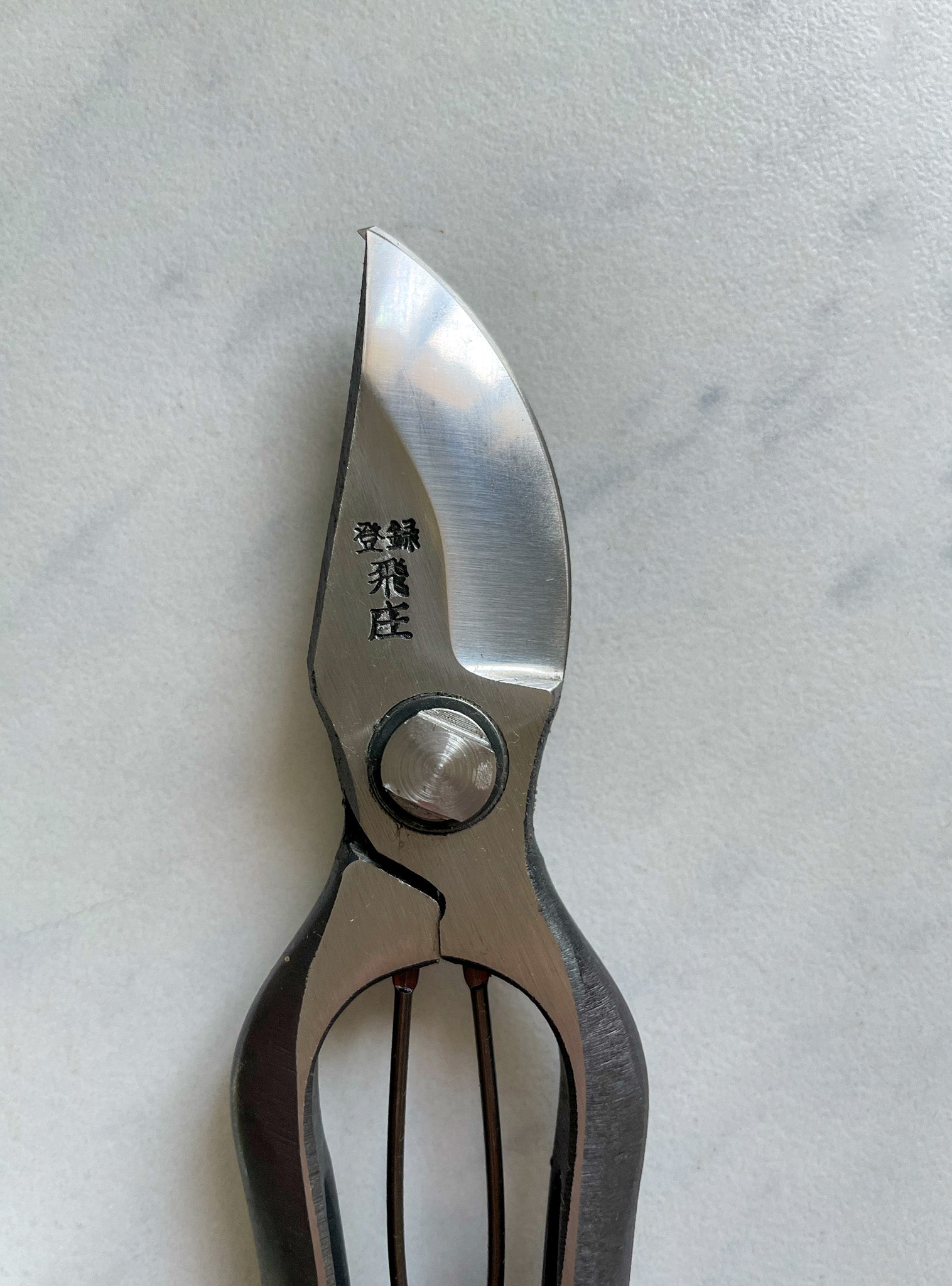
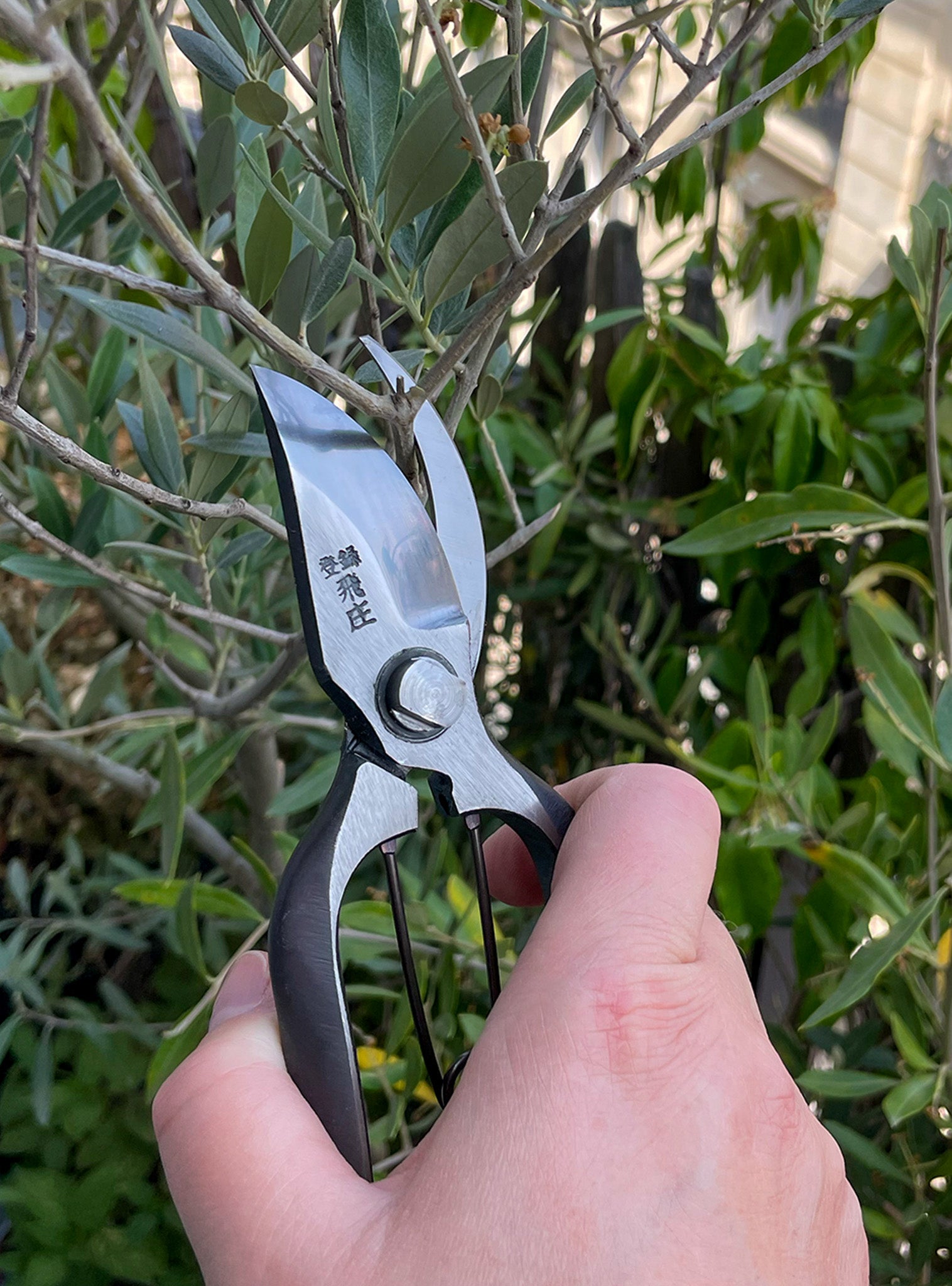
Japanese secateur blades are forged in high quality carbon steel. This material ensures remarkable cutting ability and great durability. The cut is clean and precise, without crushing the tissue, which promotes rapid healing in plants.
A versatile tool
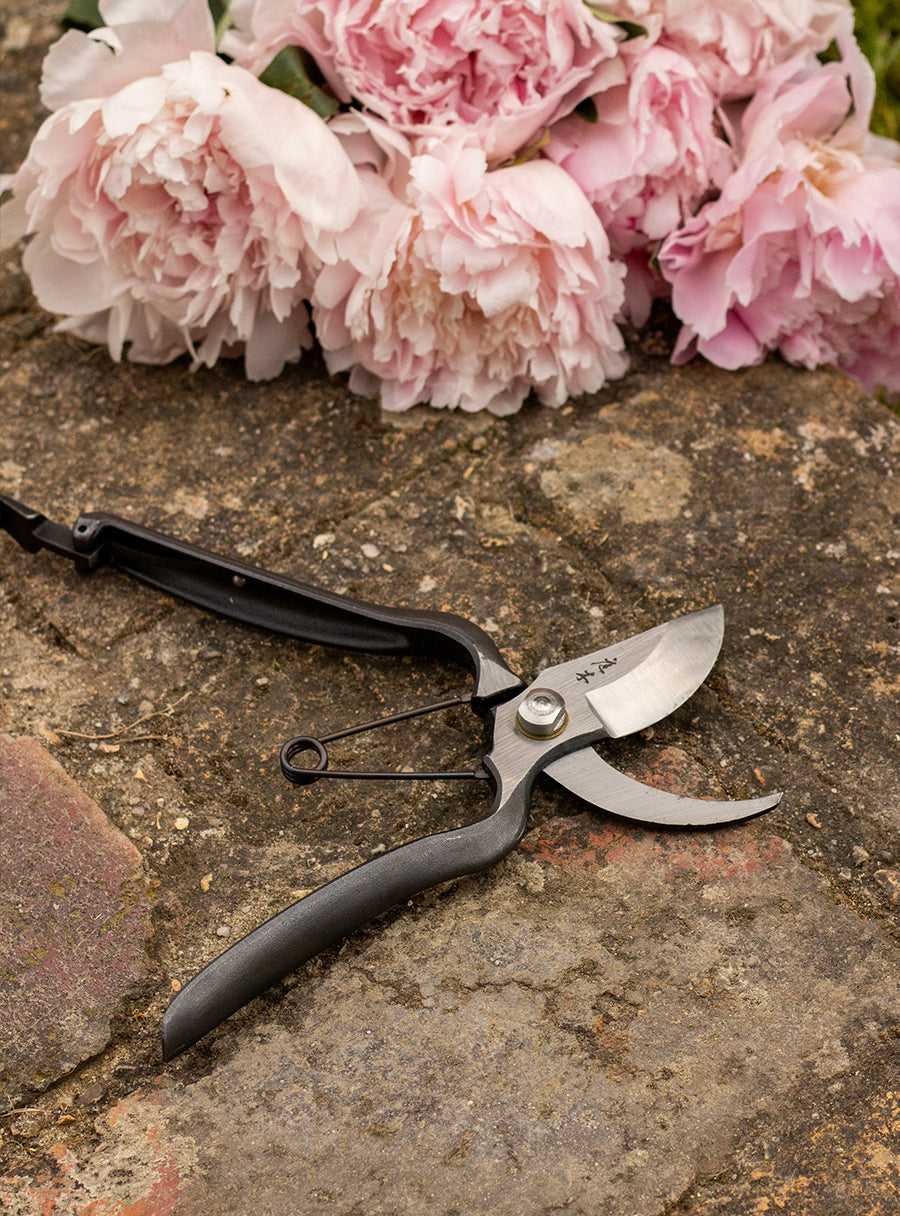
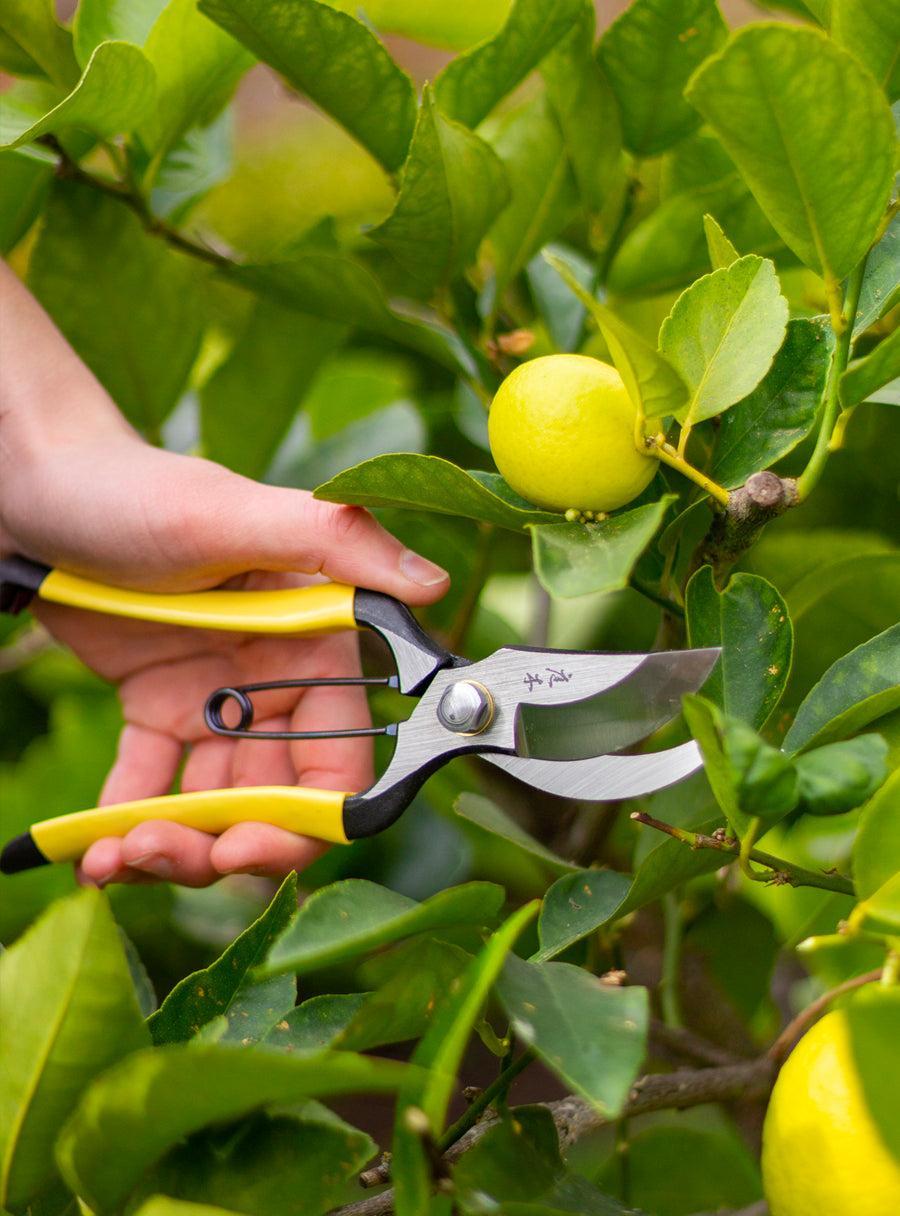
From garden to home, Japanese secateurs adapt to a wide variety of tasks: pruning shrubs, cutting branches, picking flowers, caring for indoor plants. One tool for very different gestures.
Immediate balance in hand
Japanese makers pay particular attention to ergonomics. The handles naturally fit the hand, cutting requires little effort, and fatigue is less noticeable even during long pruning sessions.
A tool you are happy to leave on display
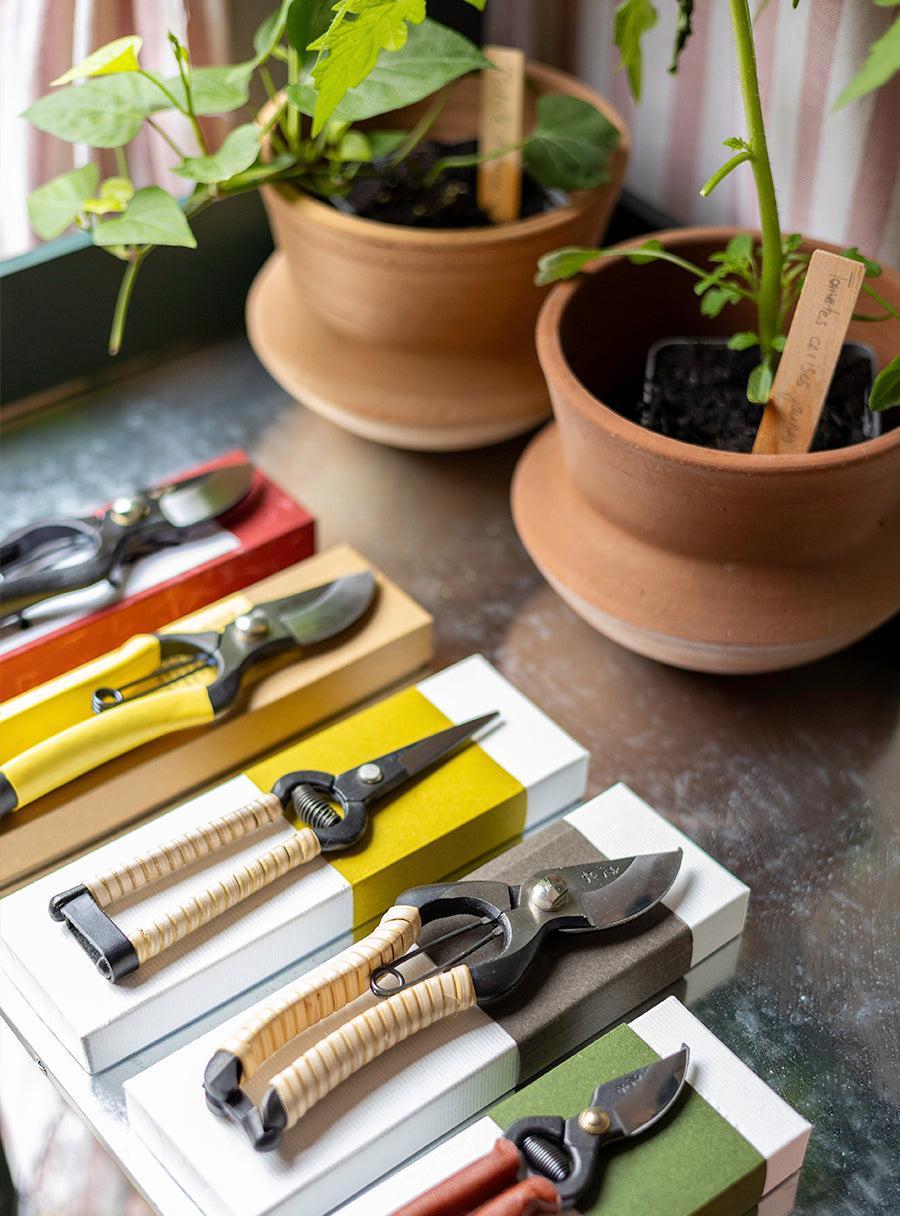
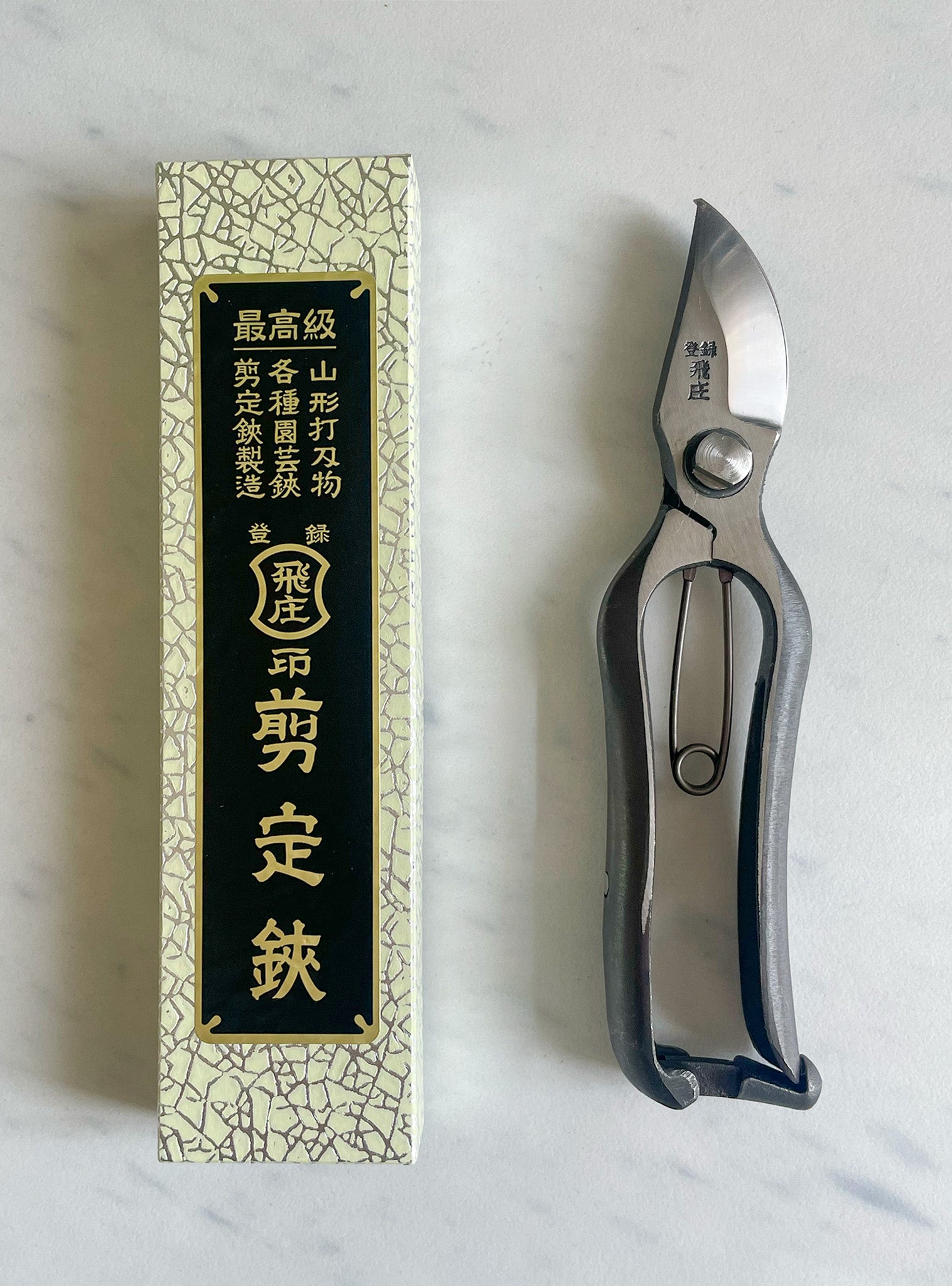
A Japanese secateur is a tool you enjoy holding and are happy to leave on display. Its lines are understated, its presence discreet but real.
© Photographs by Eléonore Wallet and Jardiniste. All rights reserved, reproduction prohibited.
These qualities make them tools of choice for both professional and amateur gardeners seeking performance and quality.
Using Japanese secateurs is a true pleasure.
Frequenltly Asked Questions
Japanese secateurs come from a long forging tradition. Most are forged in carbon steel, without chrome, offering a finer edge that stays sharp over time. The ergonomics of the handles are carefully designed for prolonged and comfortable use. In return, carbon steel requires regular maintenance and does not respond well to inappropriate use such as cutting wire or forcing through an oversized branch. It is a tool that rewards the attention you give it.
The Sentei is the entry into the Japanese gesture: light pruning, picking, occasional use.
The Higurashi is the everyday secateur: regular garden pruning, indoor plants, cutting flowers.
The Pro secateur, hand-forged, is made for long days and tougher branches.
The mini secateur, the Fujimaki and the Kurumi are distinguished by their handles: leather, hand-braided wisteria rattan, inlaid walnut. Each piece is a singular object.
For cutting flowers, cuttings or precision work, a fine secateur (with red handles or wrapped in wisteria rattan) is more suitable.
Yes, and that is part of the pleasure. A medium-grain sharpening stone, used regularly, is enough to maintain the edge. The hardness of Japanese steel allows for a very fine sharpening, and the cut regains its efficiency in just a few strokes.
After each use, wipe the blades with a rust and sape eraser and a few drops of camellia oil. This removes resin, moisture and early oxidation. A two-minute gesture that significantly extends the life of the tool.
For more, find our complete guide on Japanese secateur care.