
Botanical Explorations
The Botanical Garden of Palermo, an ode to Sicilian grandeur
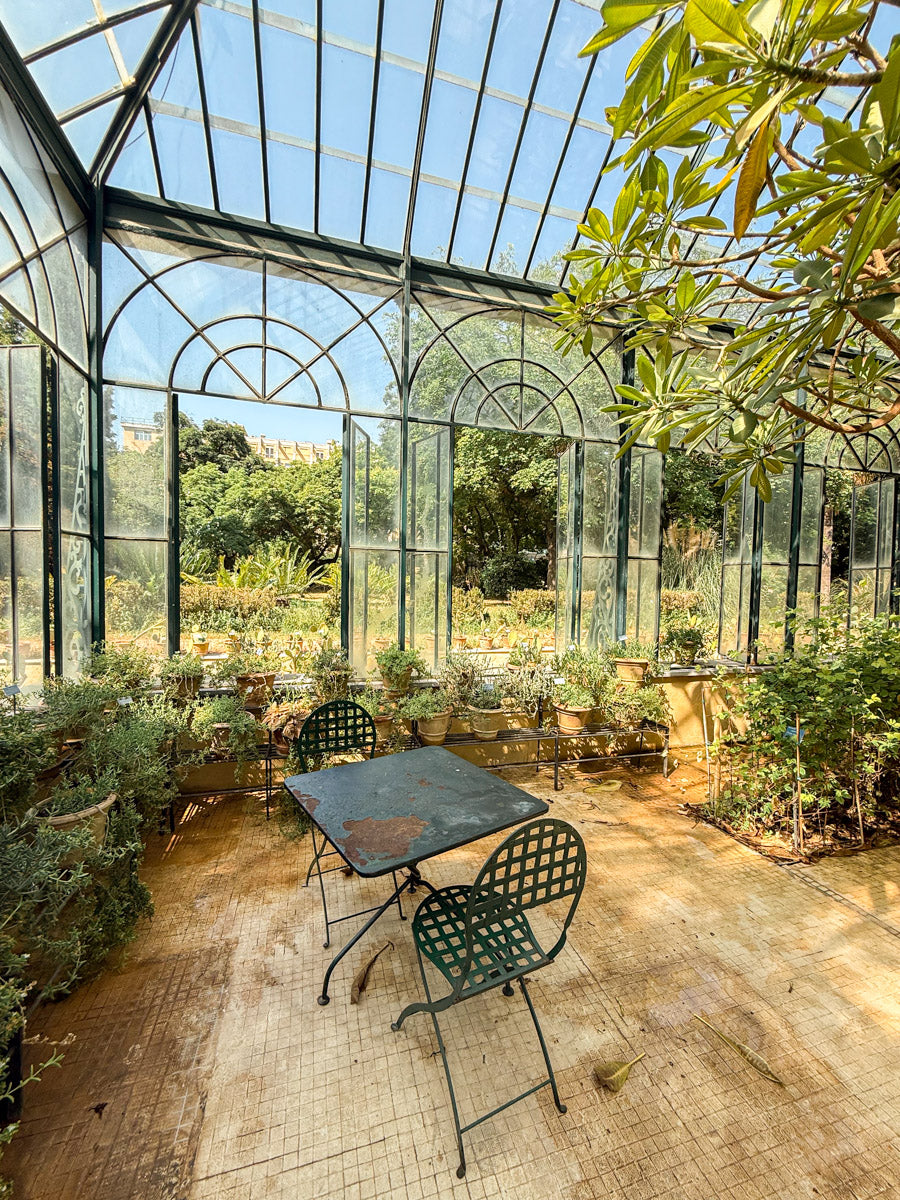
Botanical gardens are often endowed with a unique and rare power: they stop time, ground you and awaken unsuspected resources of curiosity.
The Orto Botanico of Palermo perhaps possesses this gift even more than gardens of its category.
The contrast of its peaceful atmosphere, yet bordering on the joyful bustle of the Sicilian capital, and above all its old-fashioned charm and elegance, makes it easy to imagine yourself wandering around the place as one did in the 19th century.
Like many of the city's sleepy palaces, the place draws its charm from the fading patinas and the fading colored walls, giving the whole an irresistible charm that grabs us from the moment we enter.
The story of a garden born in the Age of Enlightenment
Created in 1779, the garden is one of the many places of learning that emerged in the wake of the founding of the Regia Accademia degli Studi, at the behest of Ferdinand I, King of the Two Sicilies. This year marked the beginning of an intense cultural and scientific movement in Sicily. To cultivate and study medicinal plants, the institution's chair of botany and history decided to establish a small botanical garden that would be used for research, particularly for public health, and teaching.
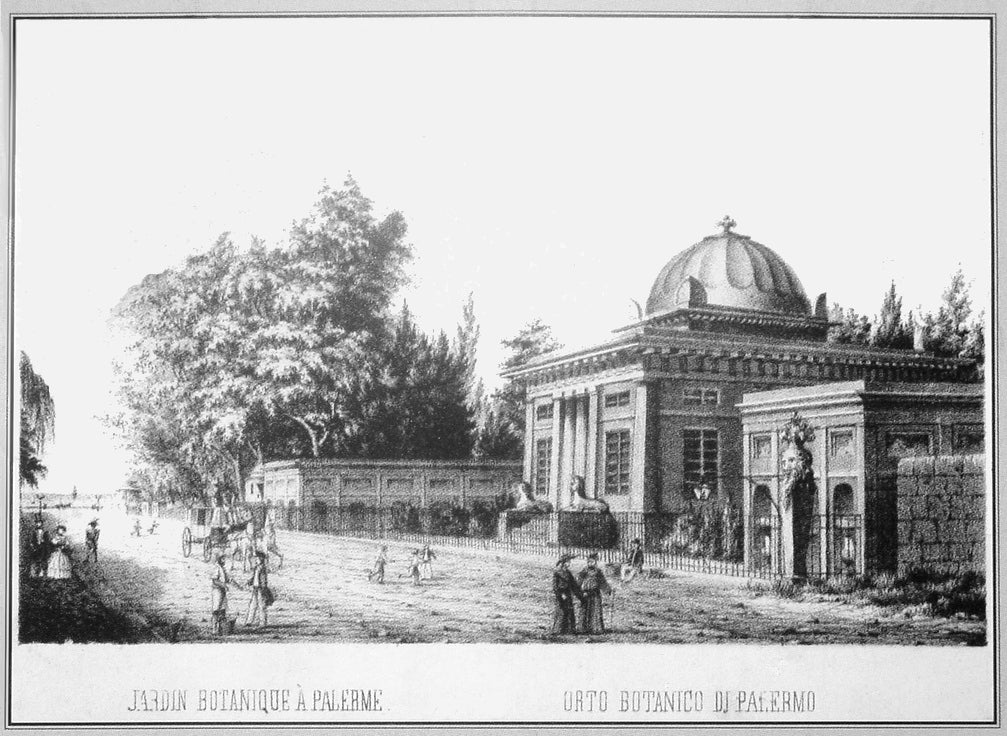
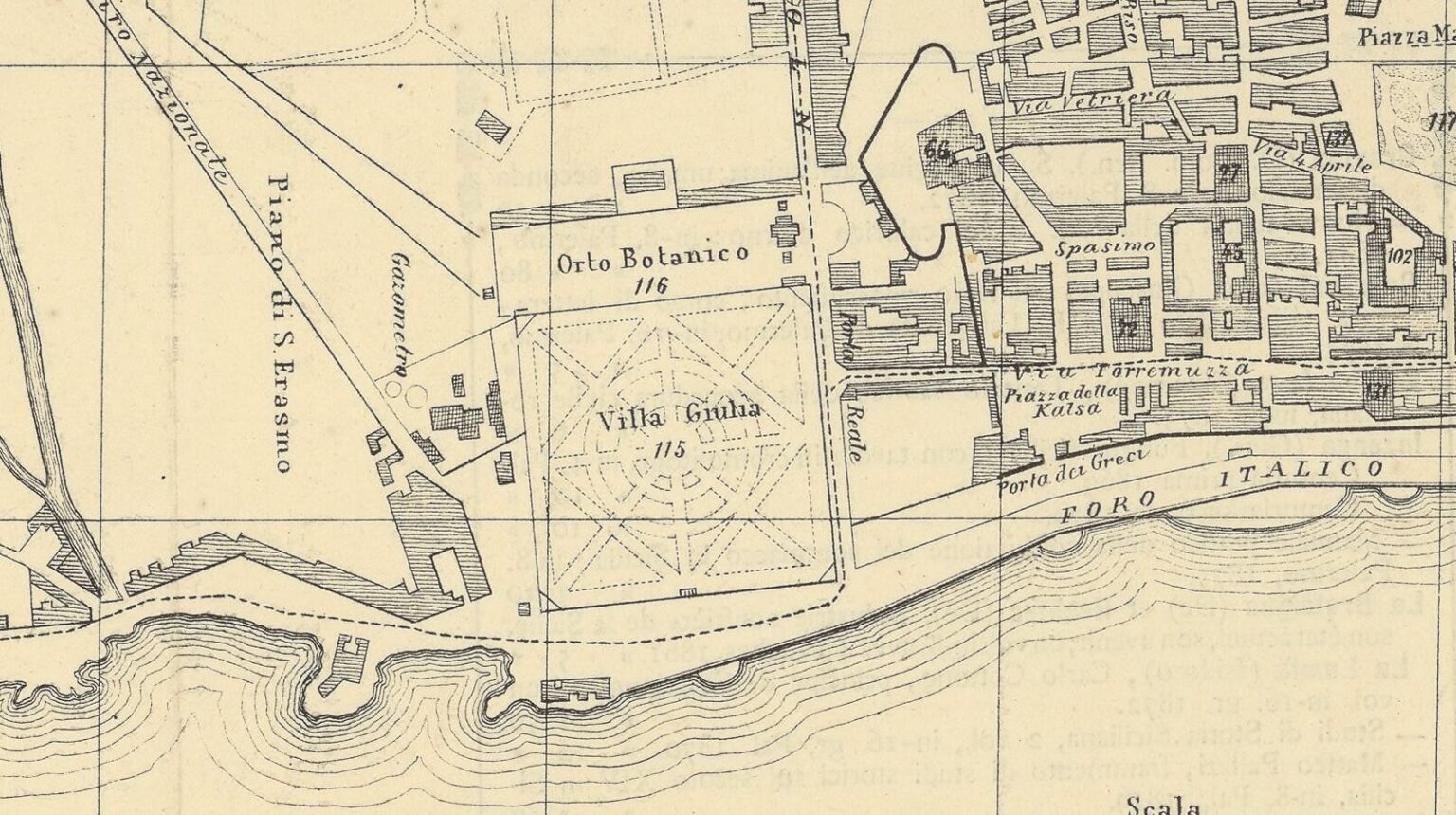
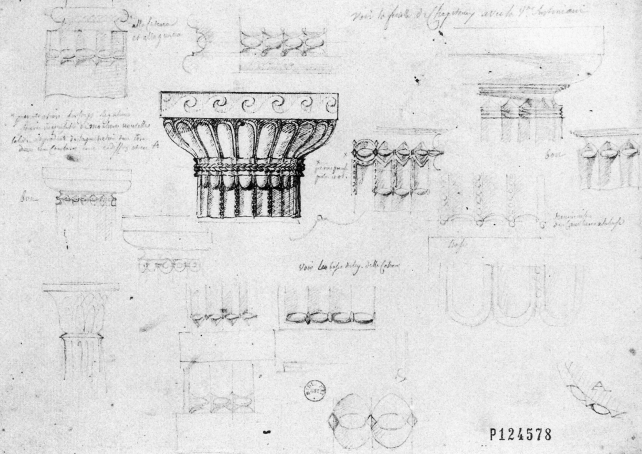
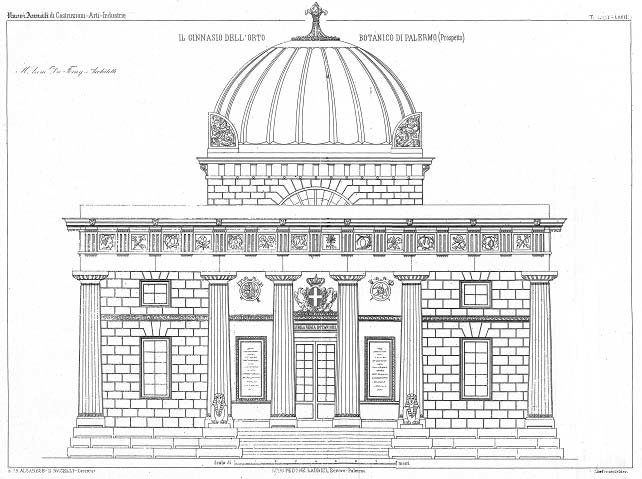
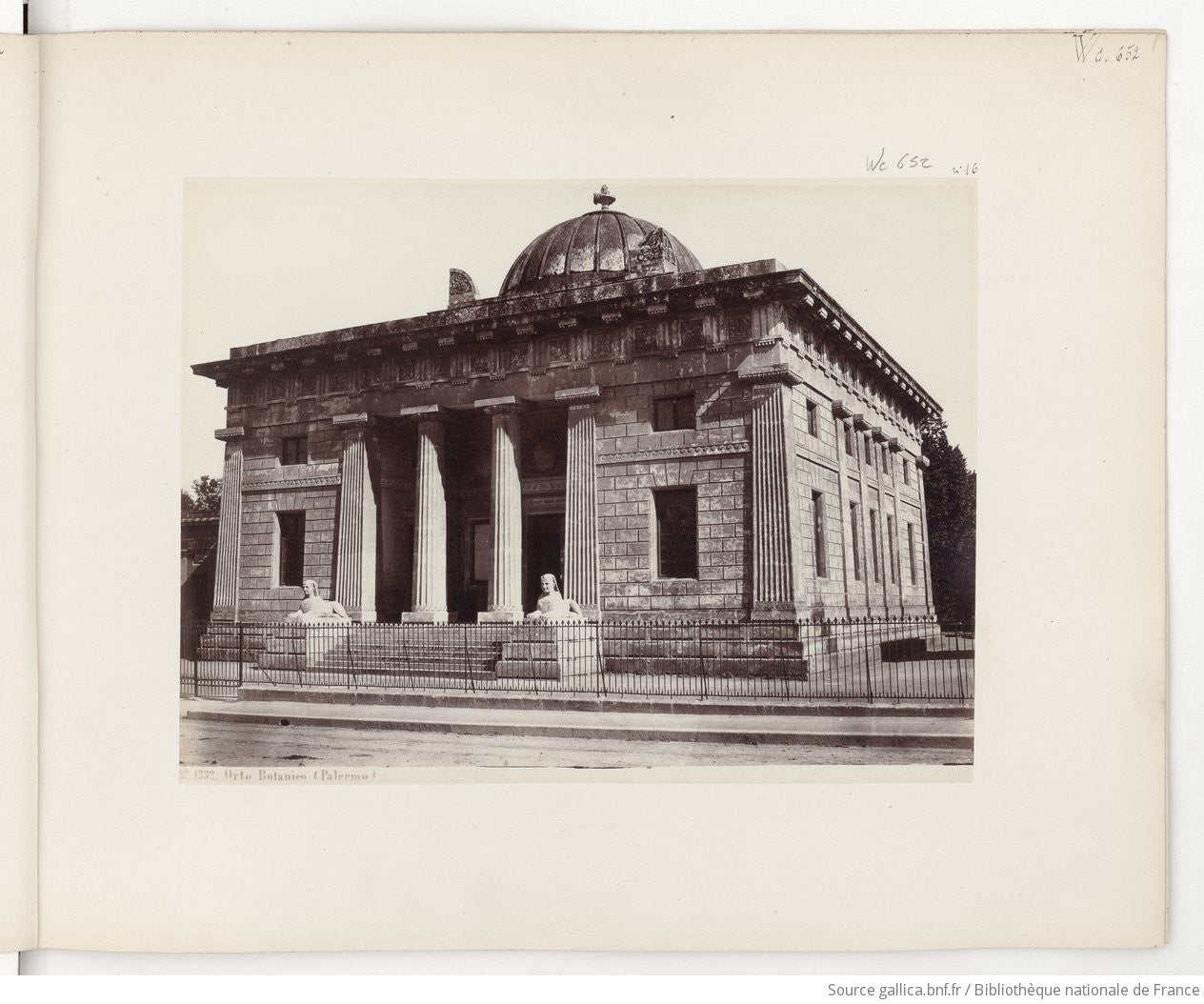
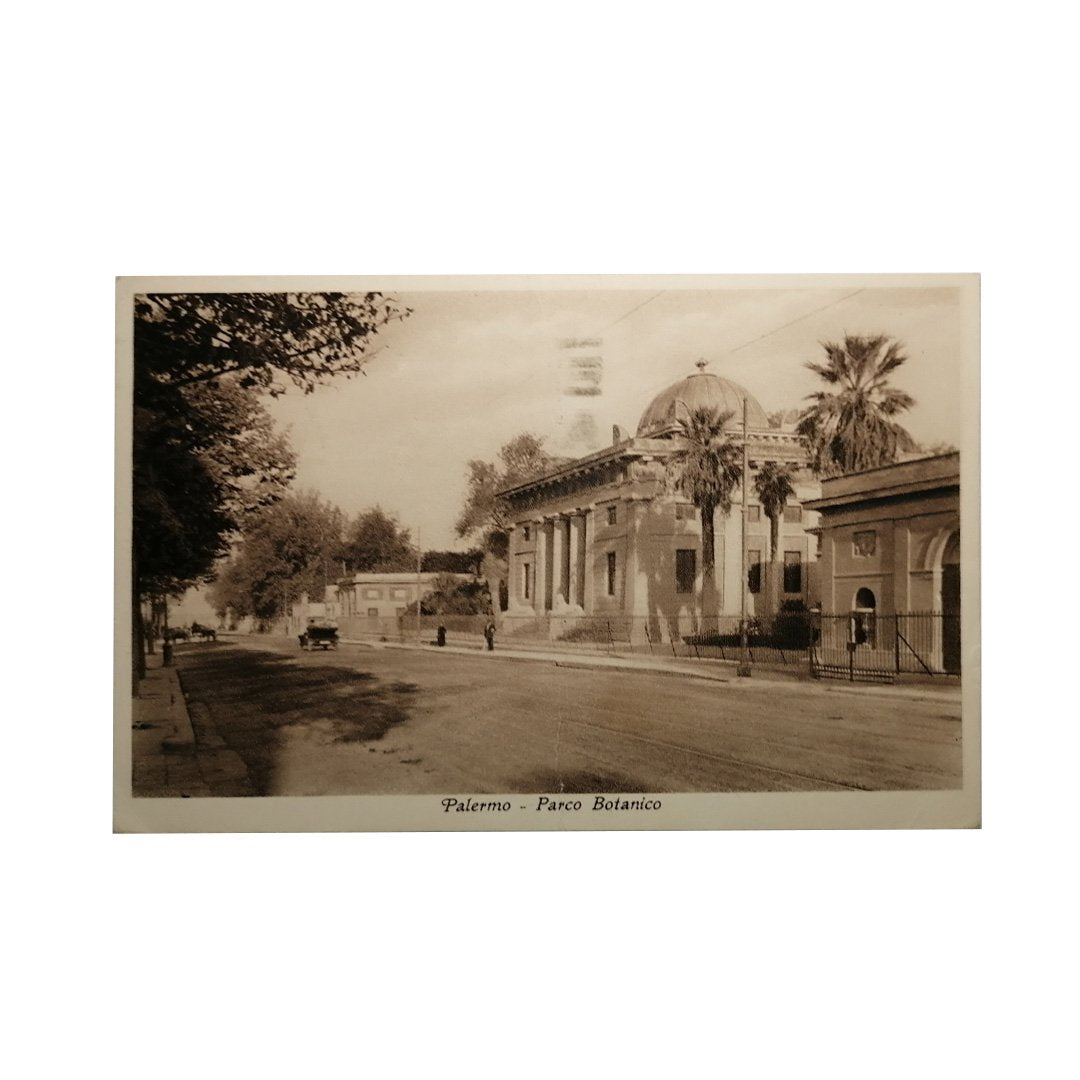
Quickly cramped, the garden was moved to its current location and in 1789 the neoclassical style buildings began to be built which today lavishly welcome visitors. This “entrance temple” was designed by the young French architect Léon Dufourny. He had not yet built anything but took this mission to put into practice his numerous studies carried out on the ancient temples of Sicily.
The architecture and organization of the garden
Among the ancient monuments of Sicily that he admired, the architect Léon Dufourny had a particular predilection for Greek temples. The three buildings born from his design are thus in the purest Doric style.
The Gymnasium was designed to house the headquarters of the Schola Regia Botanice , the library, the herbarium , and the director's residence. The adjoining Tepidarium and Caldarium were to house hot and cold greenhouses.
The French architect also designed the landscape layout of the oldest part of the garden, using a rectangular plan then divided into four parallelograms.
The new garden was inaugurated in 1795 and subsequently benefited from new additions such as the Aquarium, a pond of aquatic plants, and the Marie-Caroline greenhouse. The garden today has several greenhouses covering a total area of 1,470 square meters.
The Carolina Greenhouse
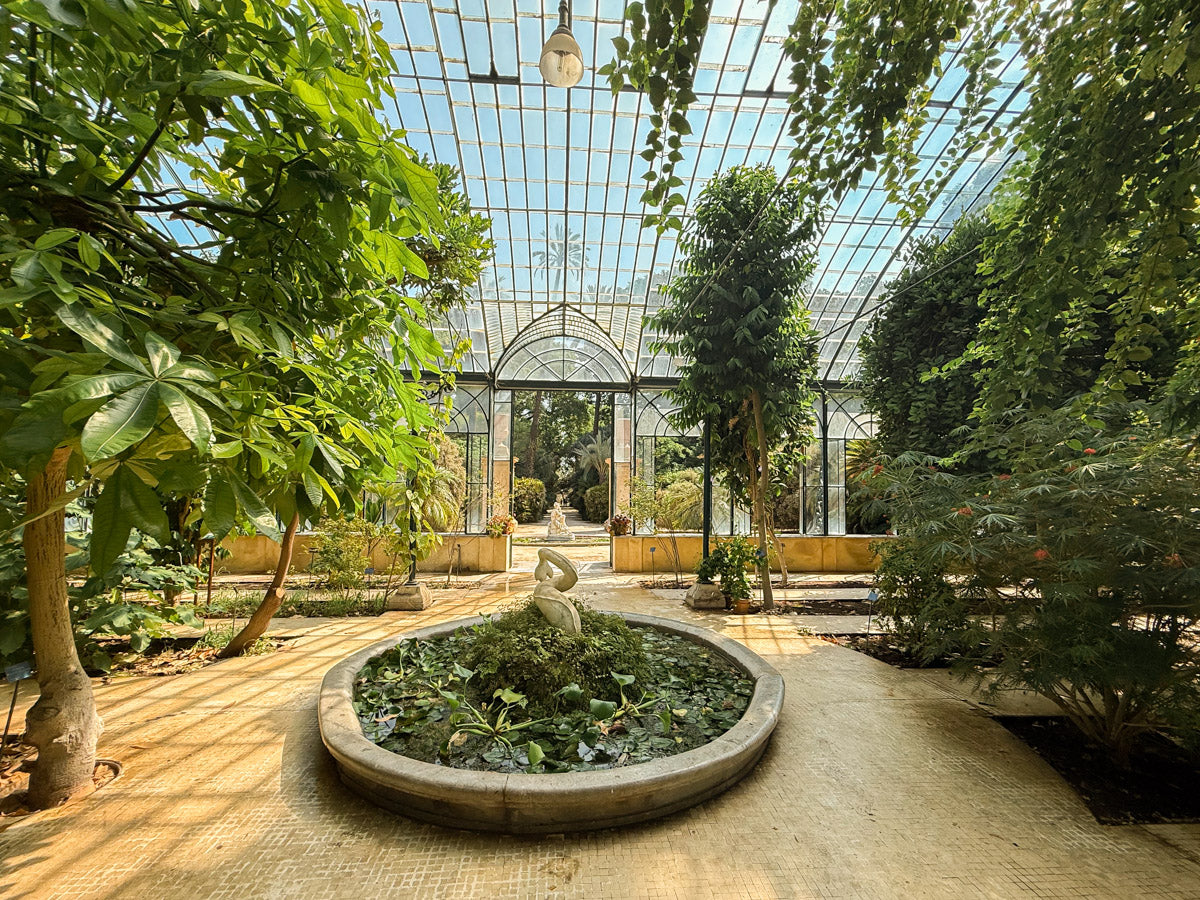
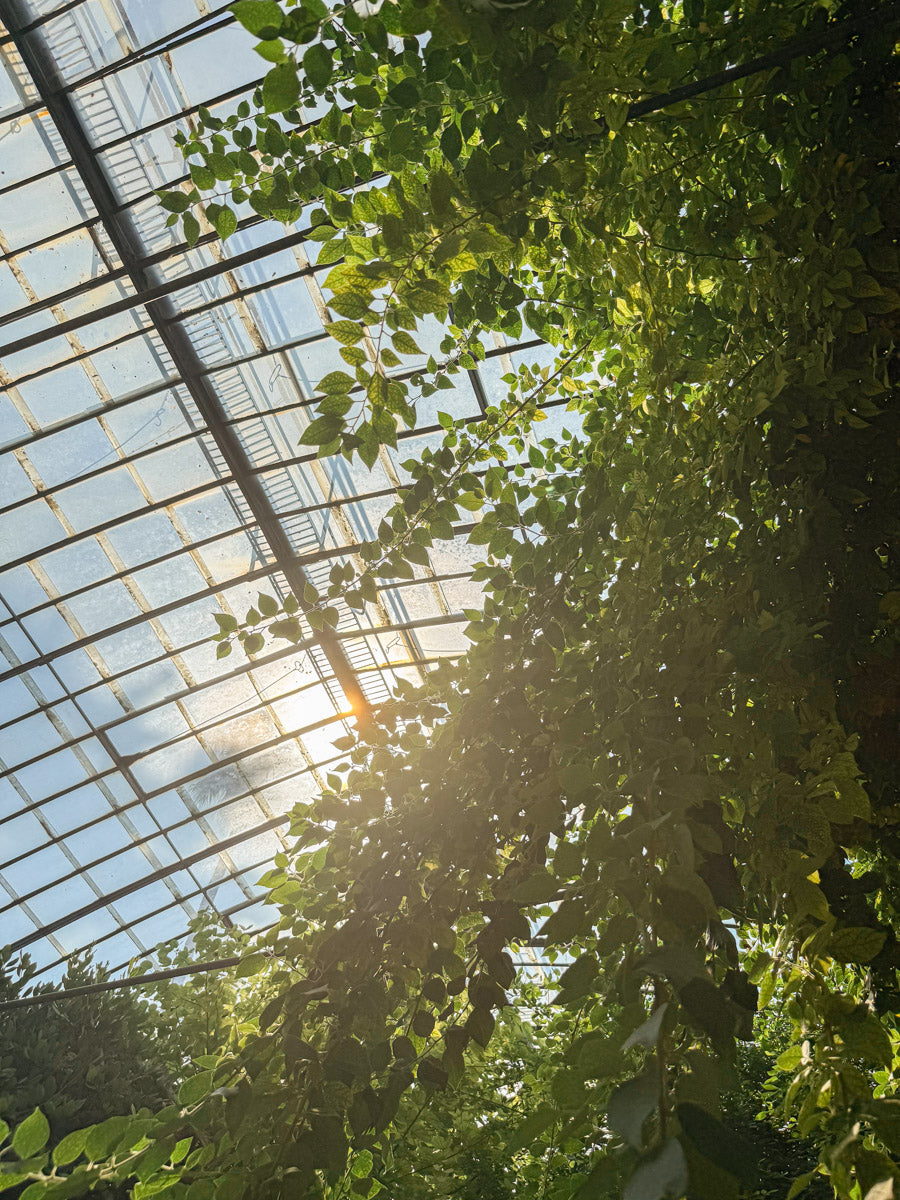
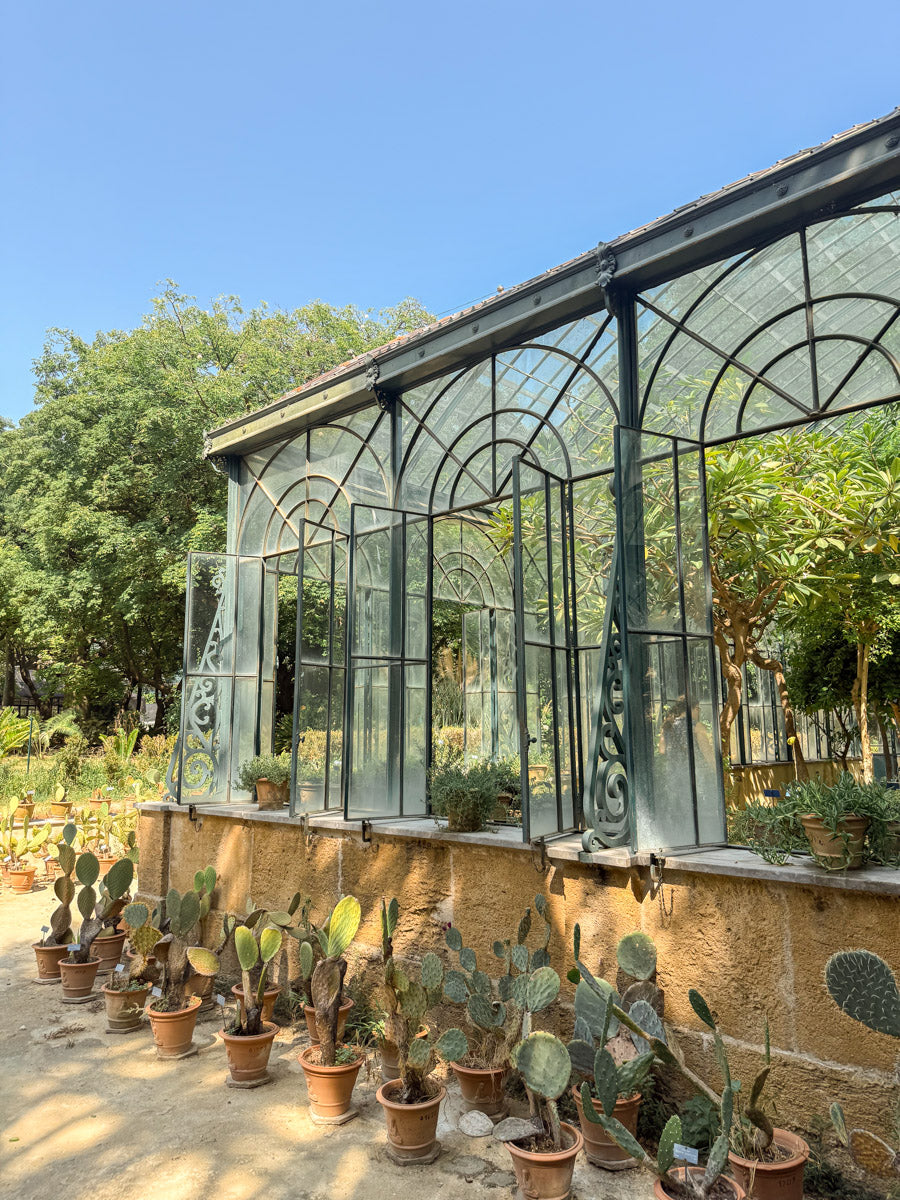
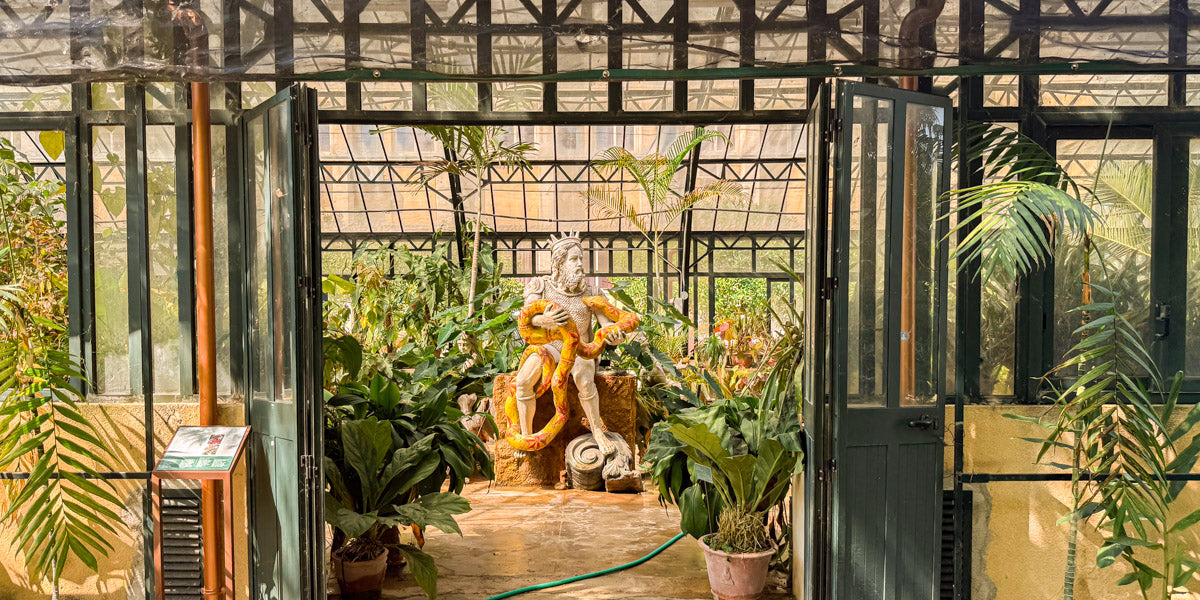
The highlight of this visit is the Caroline greenhouse, a gift from Maria Carolina of Austria (wife of Ferdinand I), also known as the Winter Garden. Charming and bright, it is the garden's historic greenhouse and is considered one of the 10 most beautiful greenhouses in Europe.
It houses very unique and valuable collections, with a total of 56 individuals belonging to 19 families and 46 species. Among these, we find Coffea arabica, Mimosa polycarpa var. spegazzinii , Pavetta indica and Malpighia fucata .
The Aquarium, the pond and the small pools
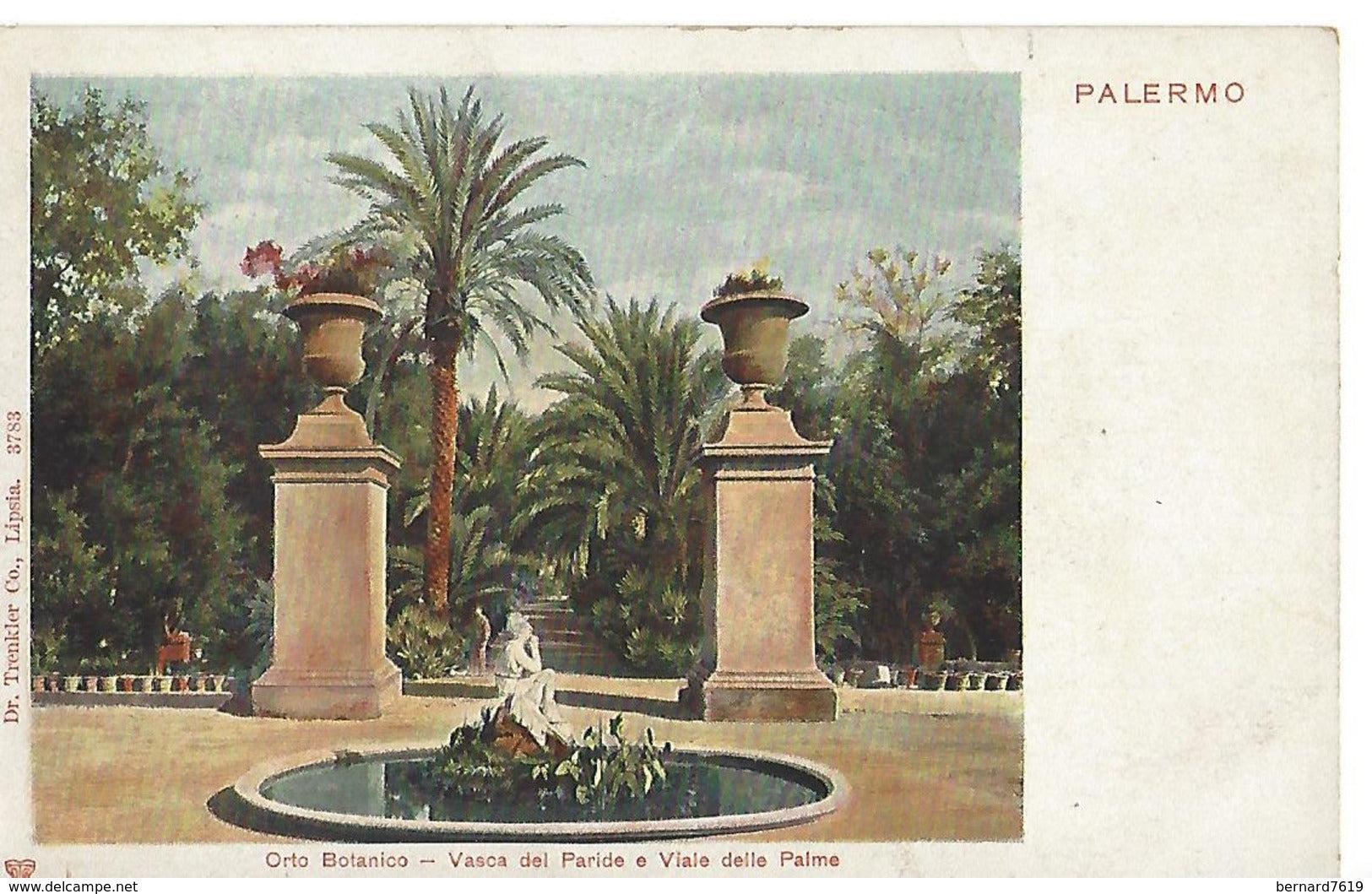
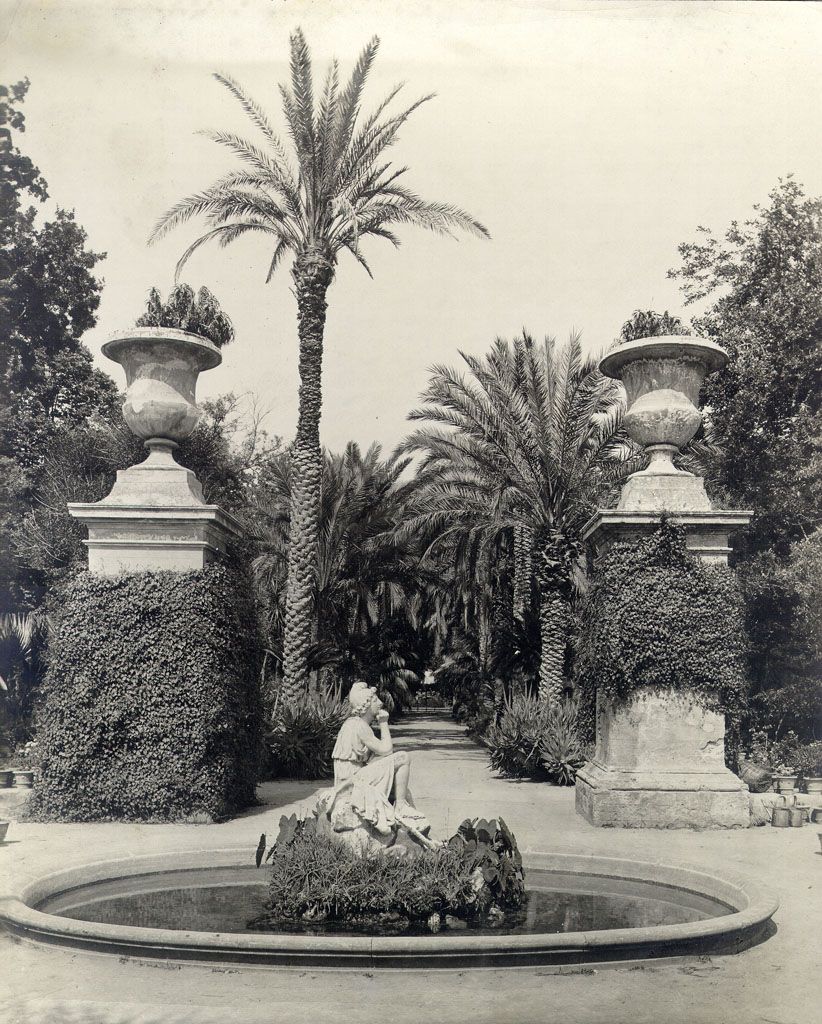
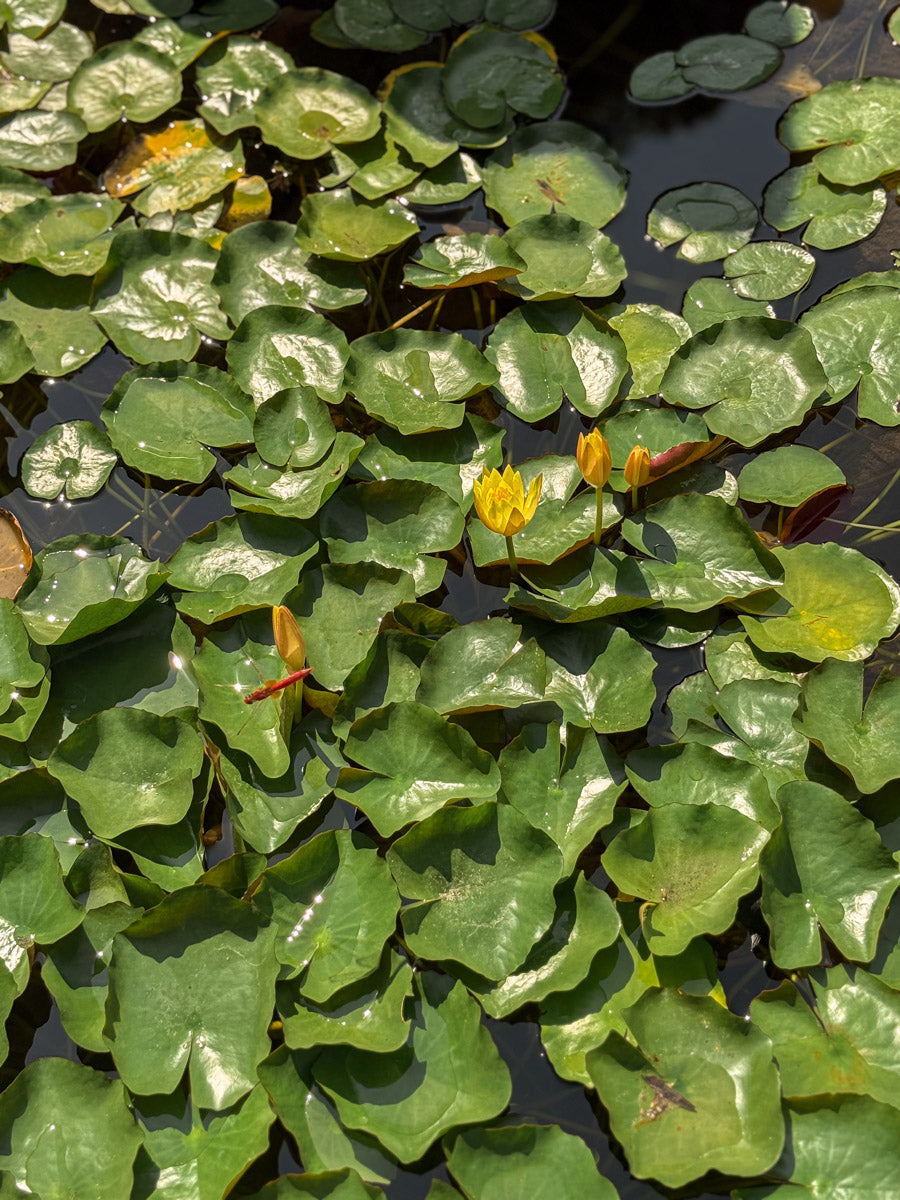
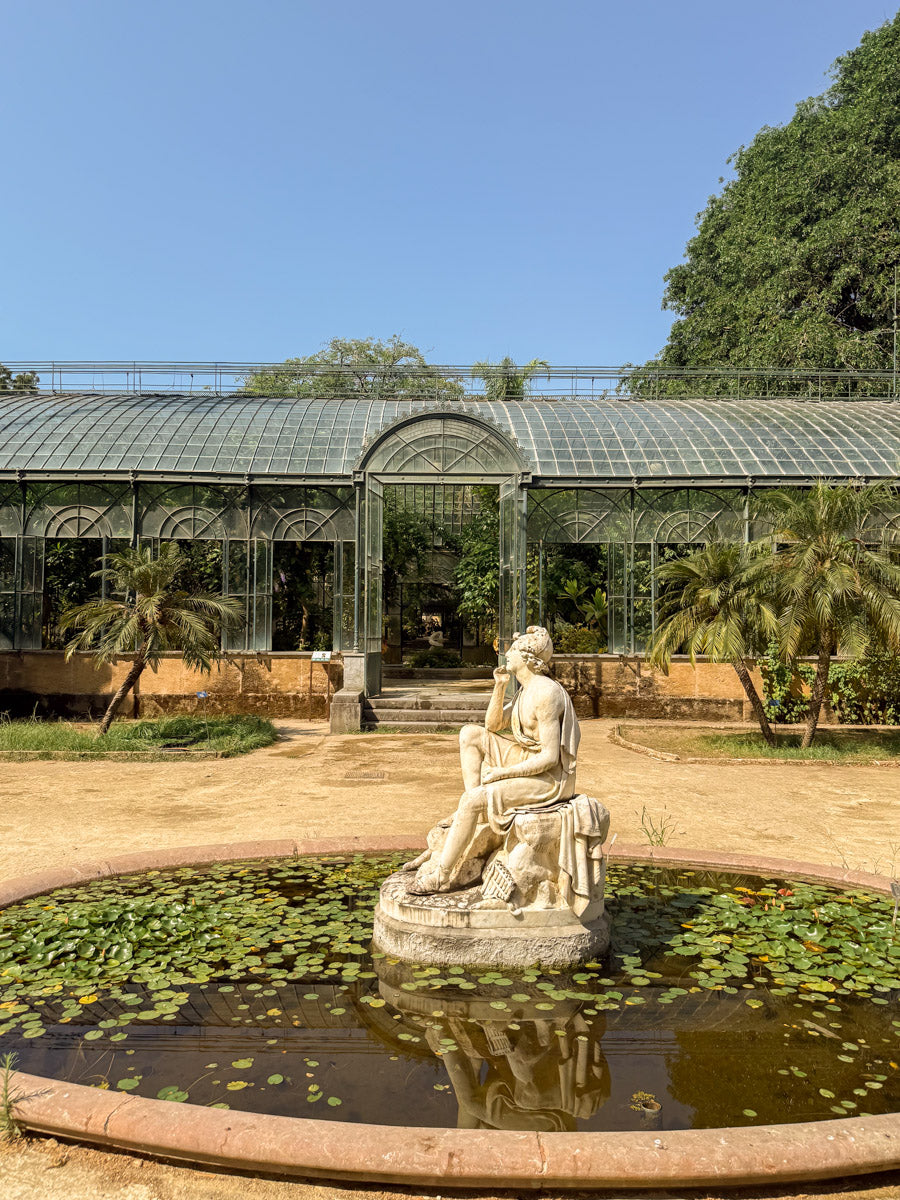
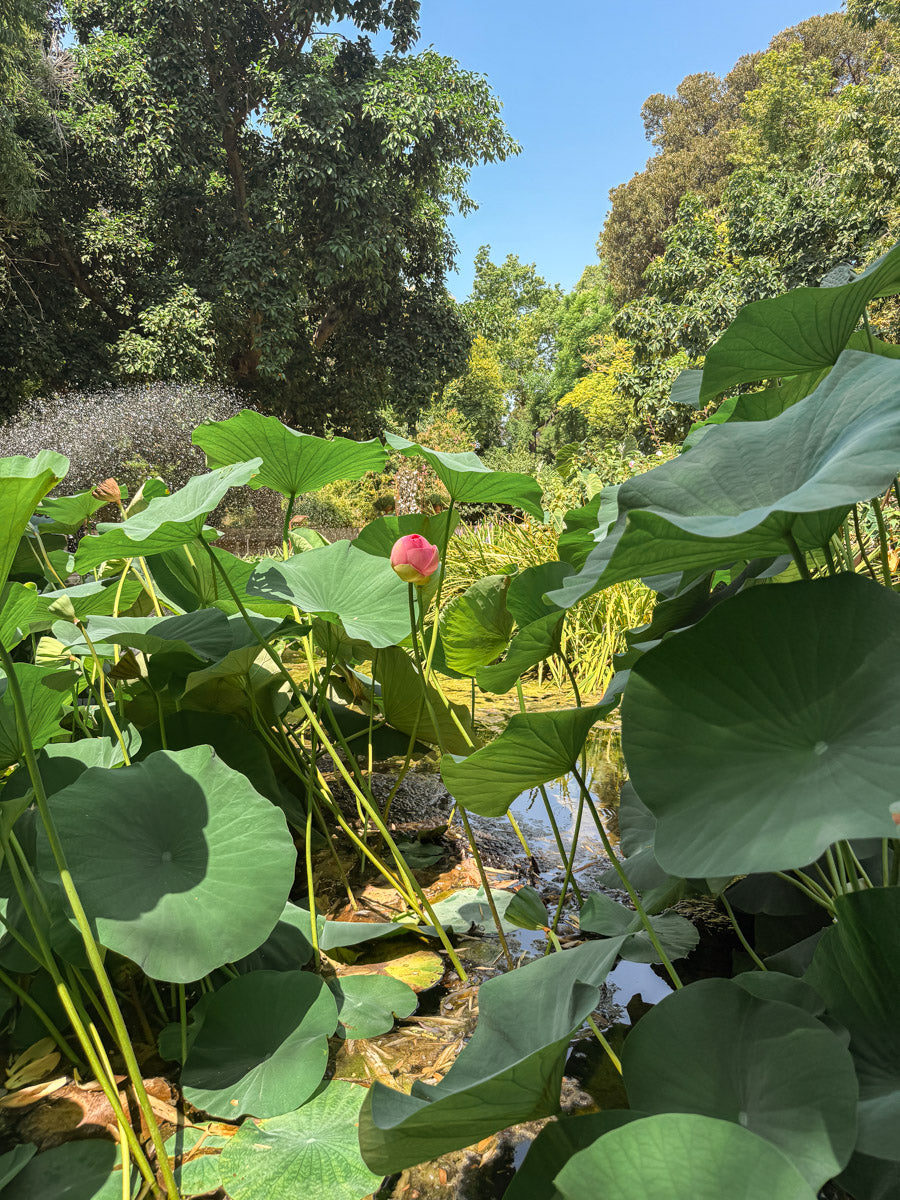
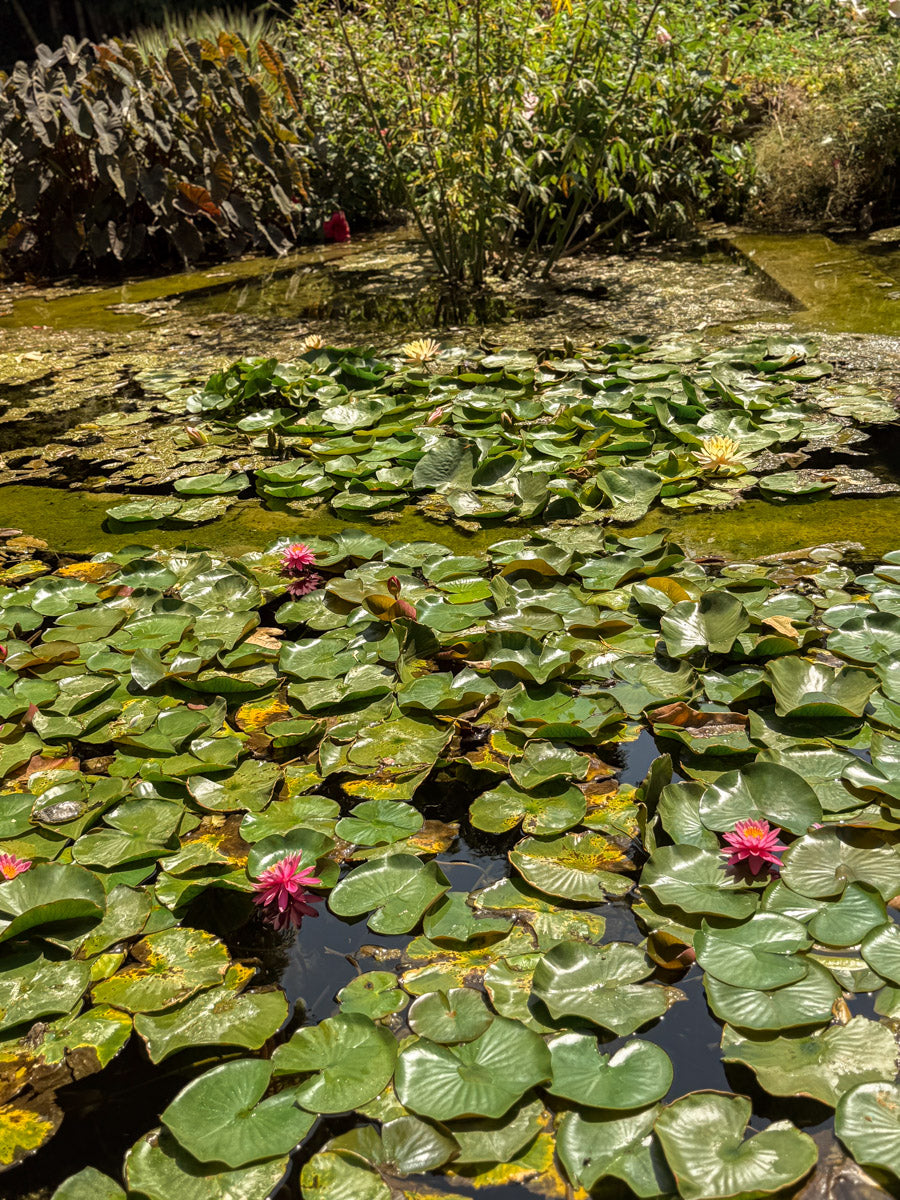
The Aquarium is a large circular pool divided into 24 compartments in which numerous aquatic species from 16 different families have been arranged.
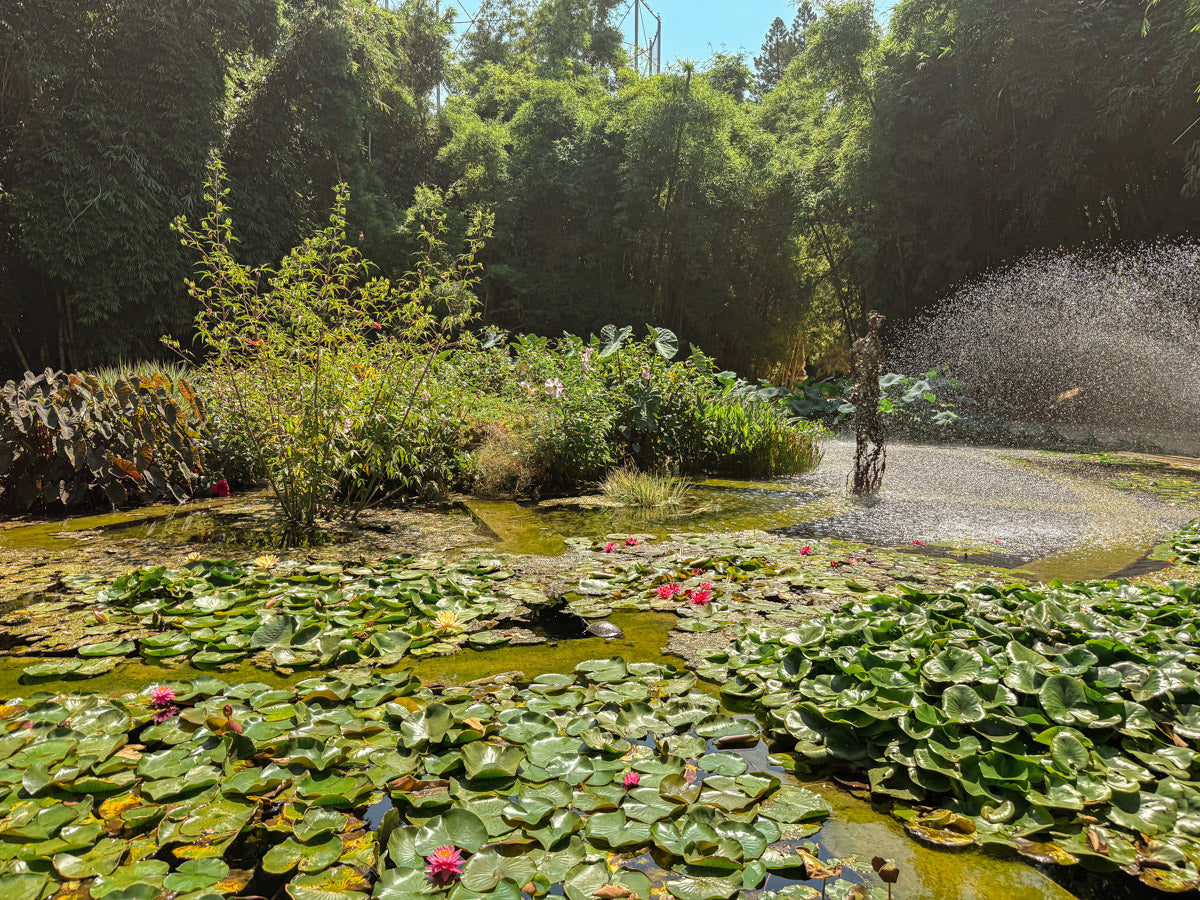
The aquatic complex is completed by a small adjacent pond which hosts naturally arranged varieties.
Water lilies are the most common family in this part of the garden. The Aquarium is also home to the famous Indian lotus (Nelumbo nucifera).
The tropical greenhouse
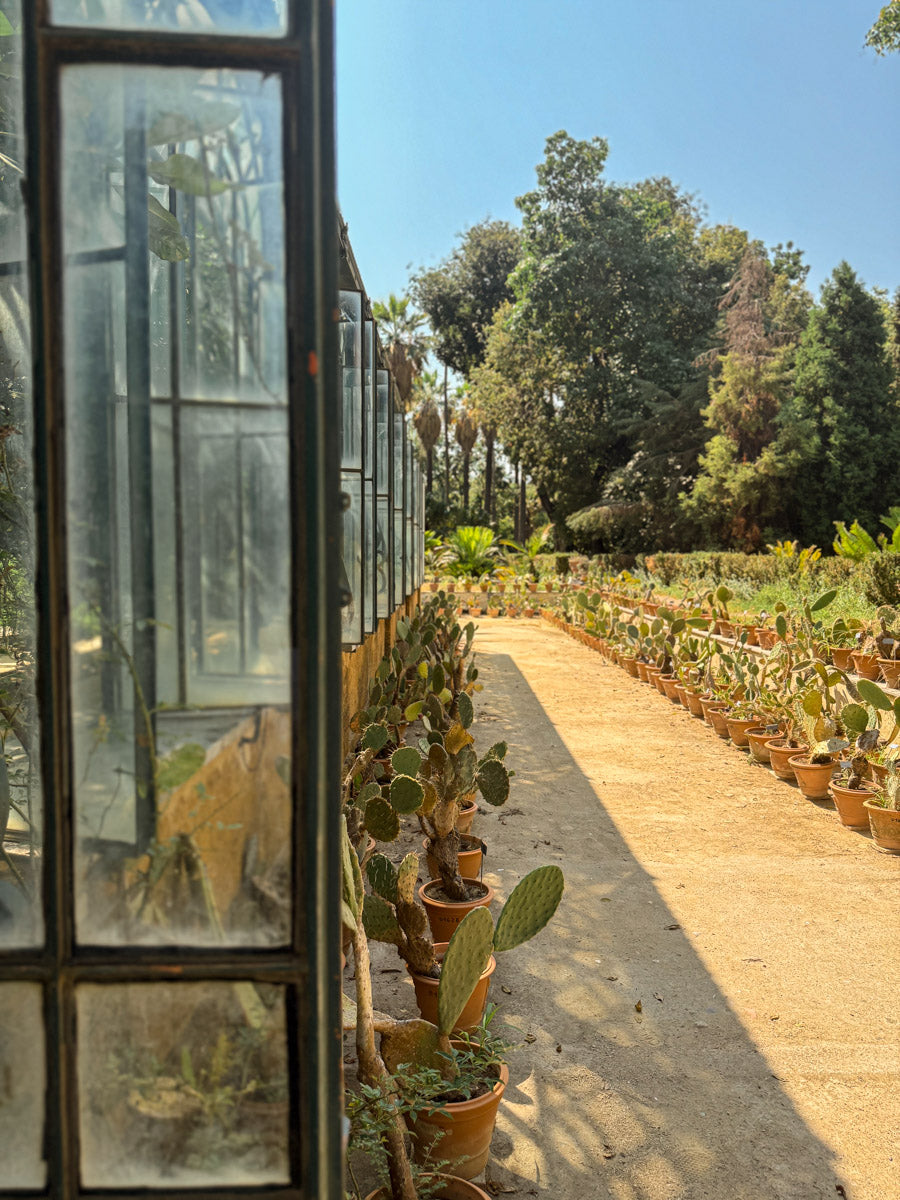
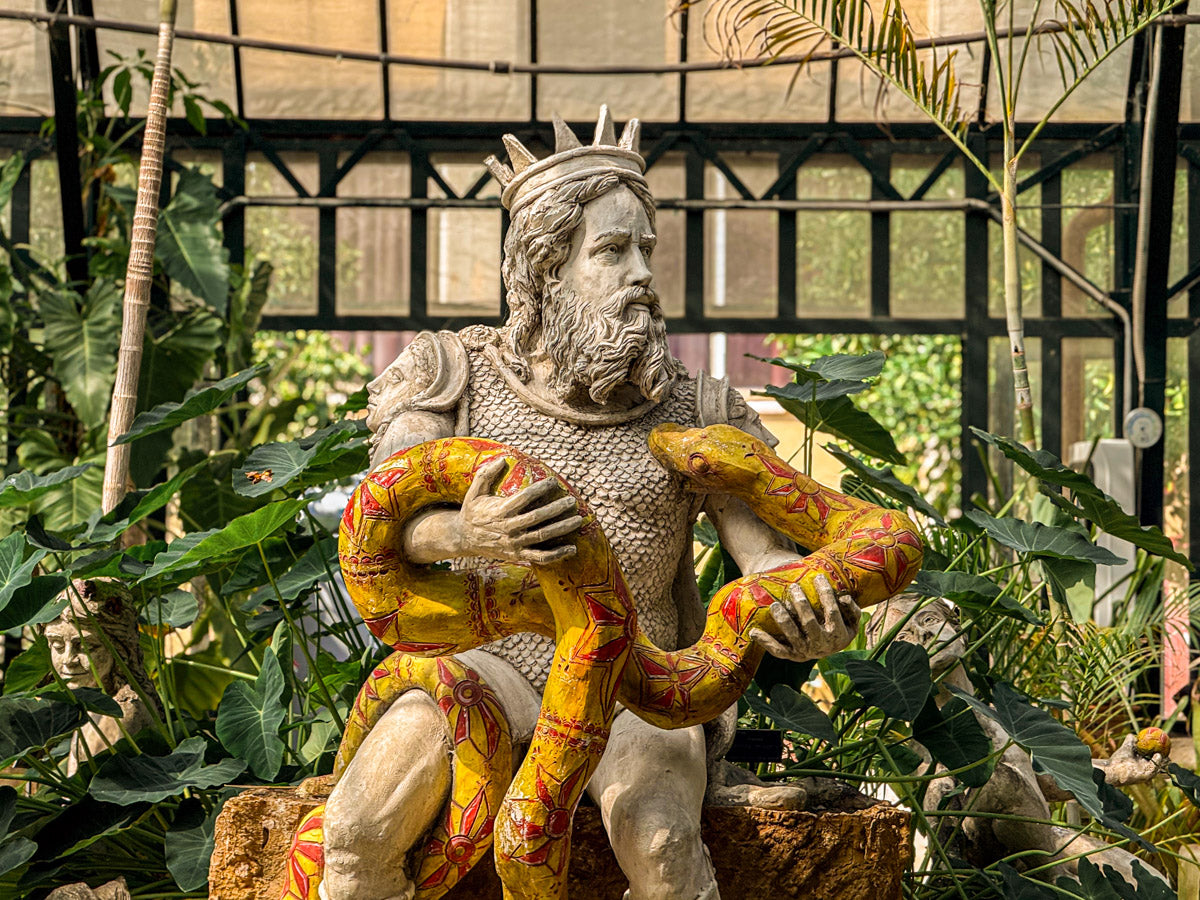
Among the other greenhouses, the "Regional Greenhouse" is particularly interesting. It houses specimens of species from hot and humid tropical and equatorial climates.
Citrus fruits
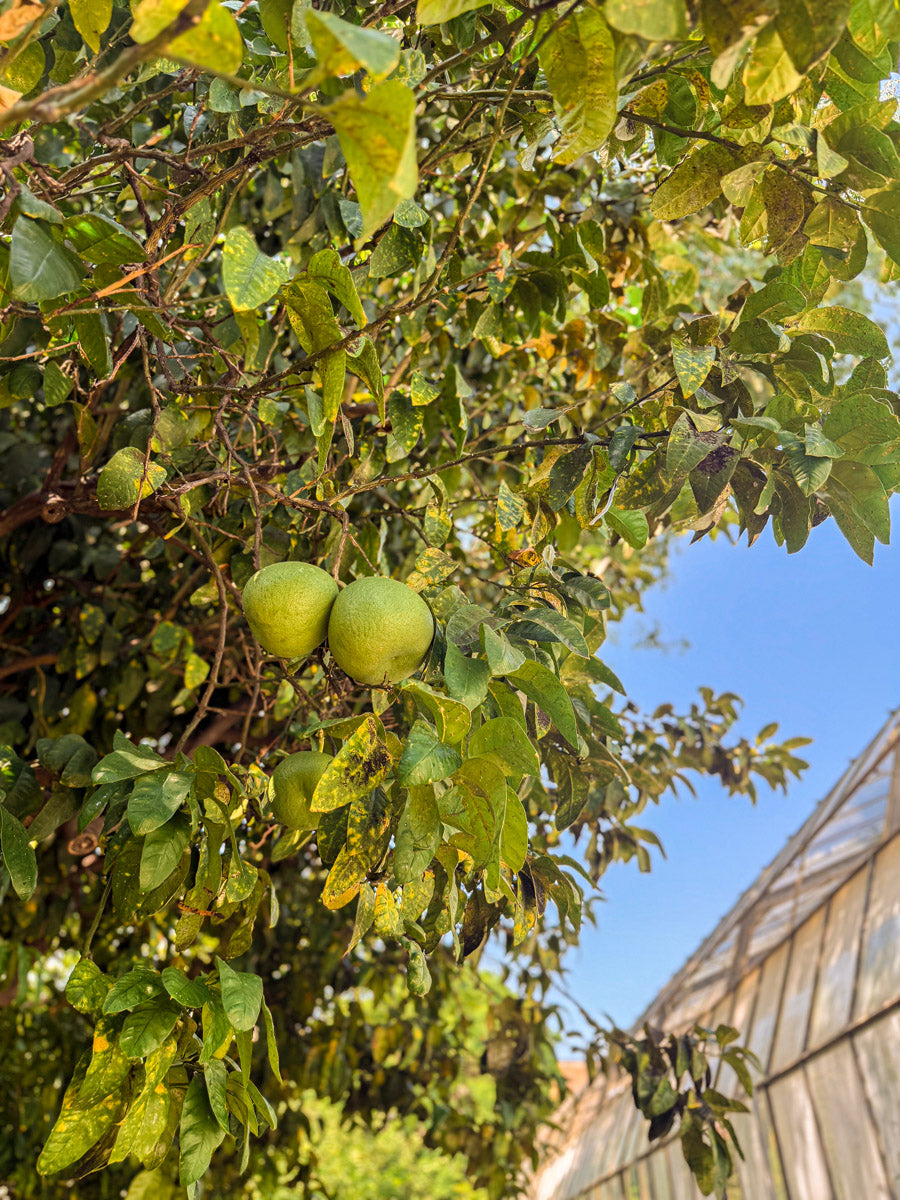
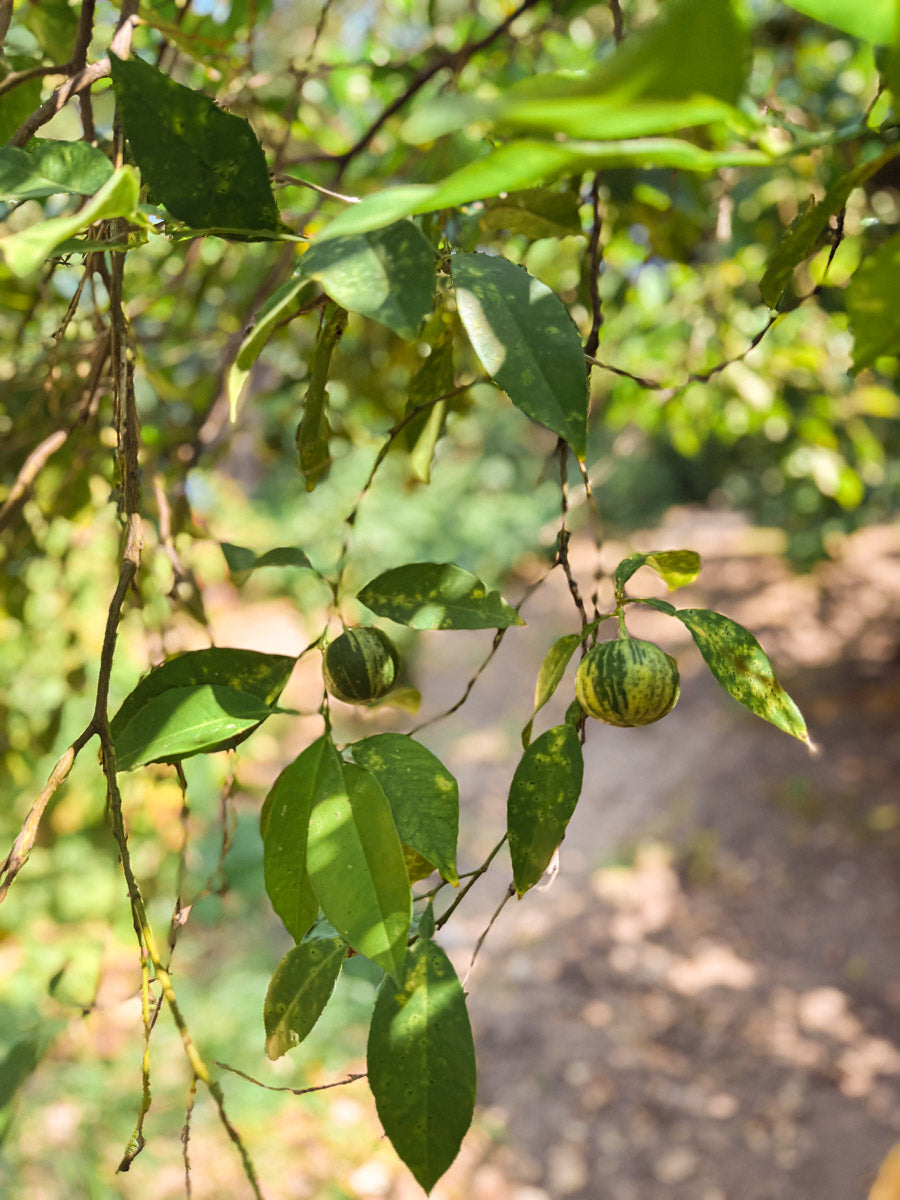
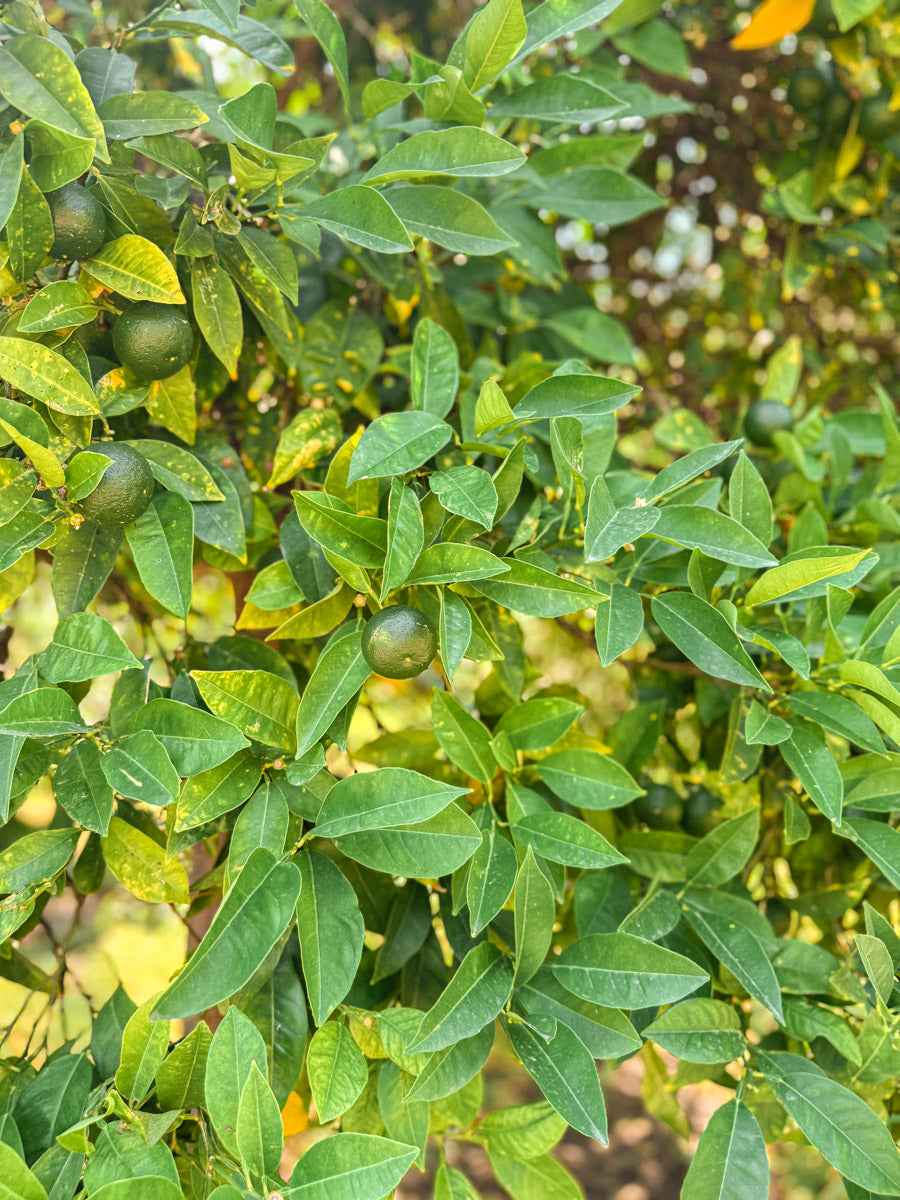
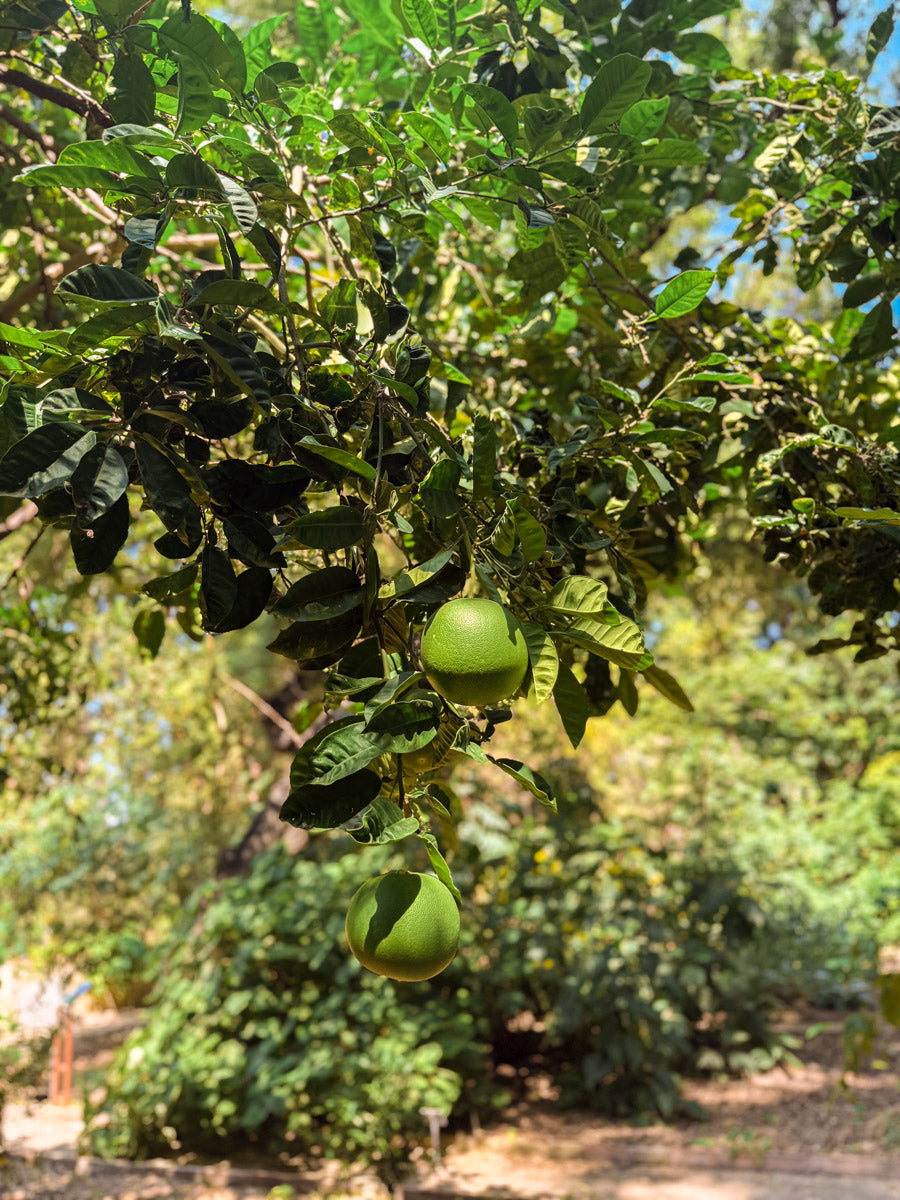
Sicily is often associated with its high-quality citrus fruit production. Lemons, oranges, mandarins, and grapefruit thrive under its scorching sun, evoking a rich agricultural heritage.
The citrus fruit section of the collections was a must-see. Visited in August, these sunny fruits were still green, but some beautiful, rare specimens could still be seen in full growth.
Tips for cherishing your citrus fruits
Citrus trees are delicate, especially when planted in pots or tubs.
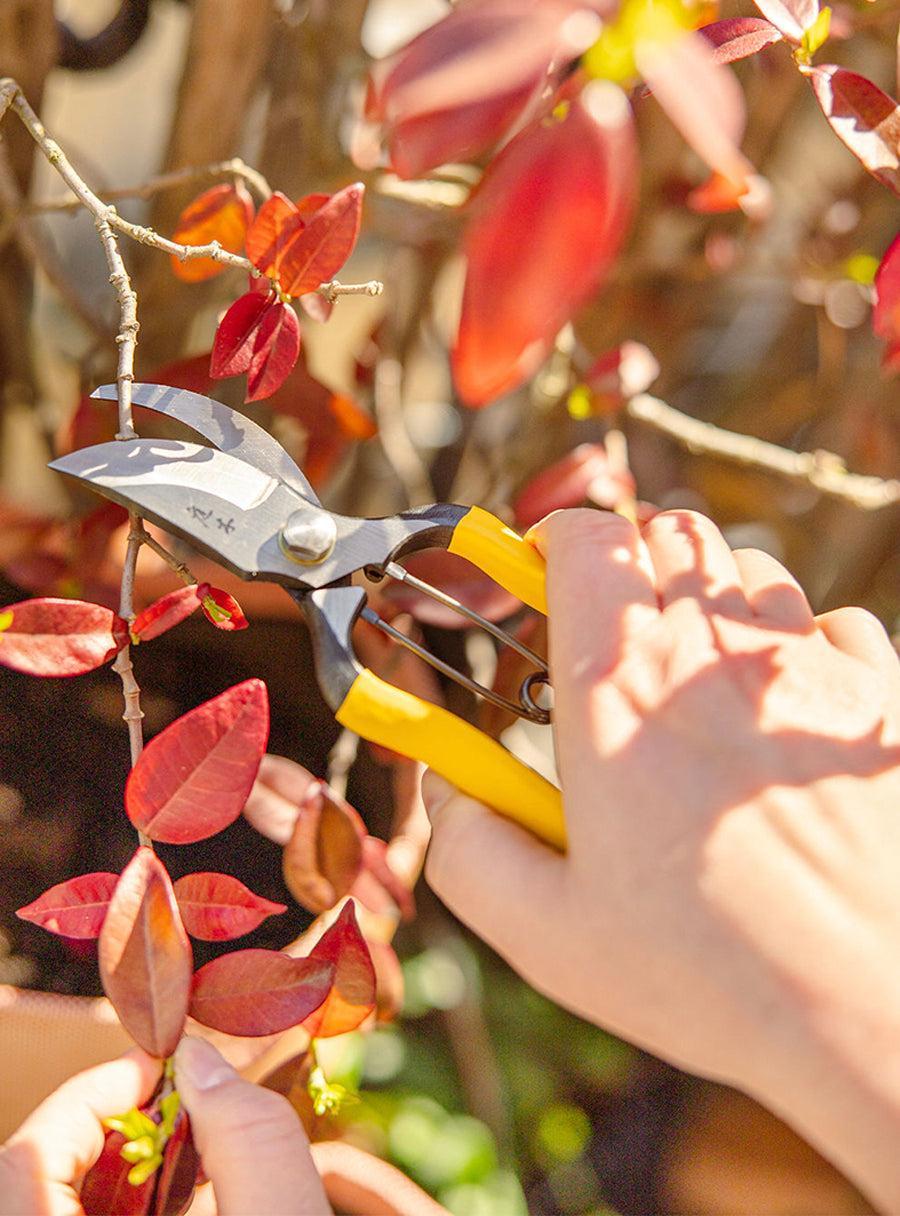
To maximize your chances of enjoying their vitamin-rich fruits in summer, pruning them in late winter or early spring is essential.
Here are some tips for cherishing your sun trees:
-the exact pruning period depends on your local weather conditions, monitor your tree regularly to prune it after the last frosts but before it starts producing new shoots
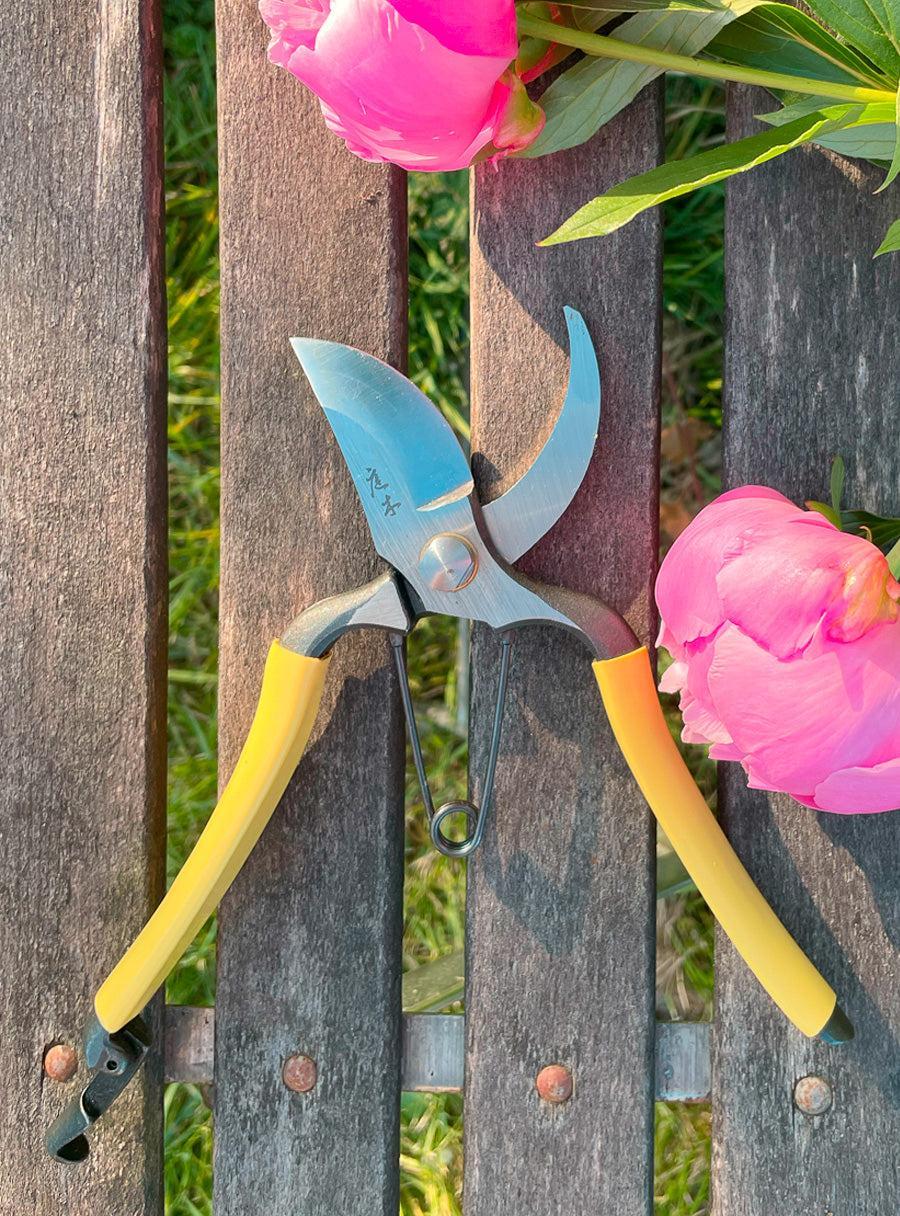
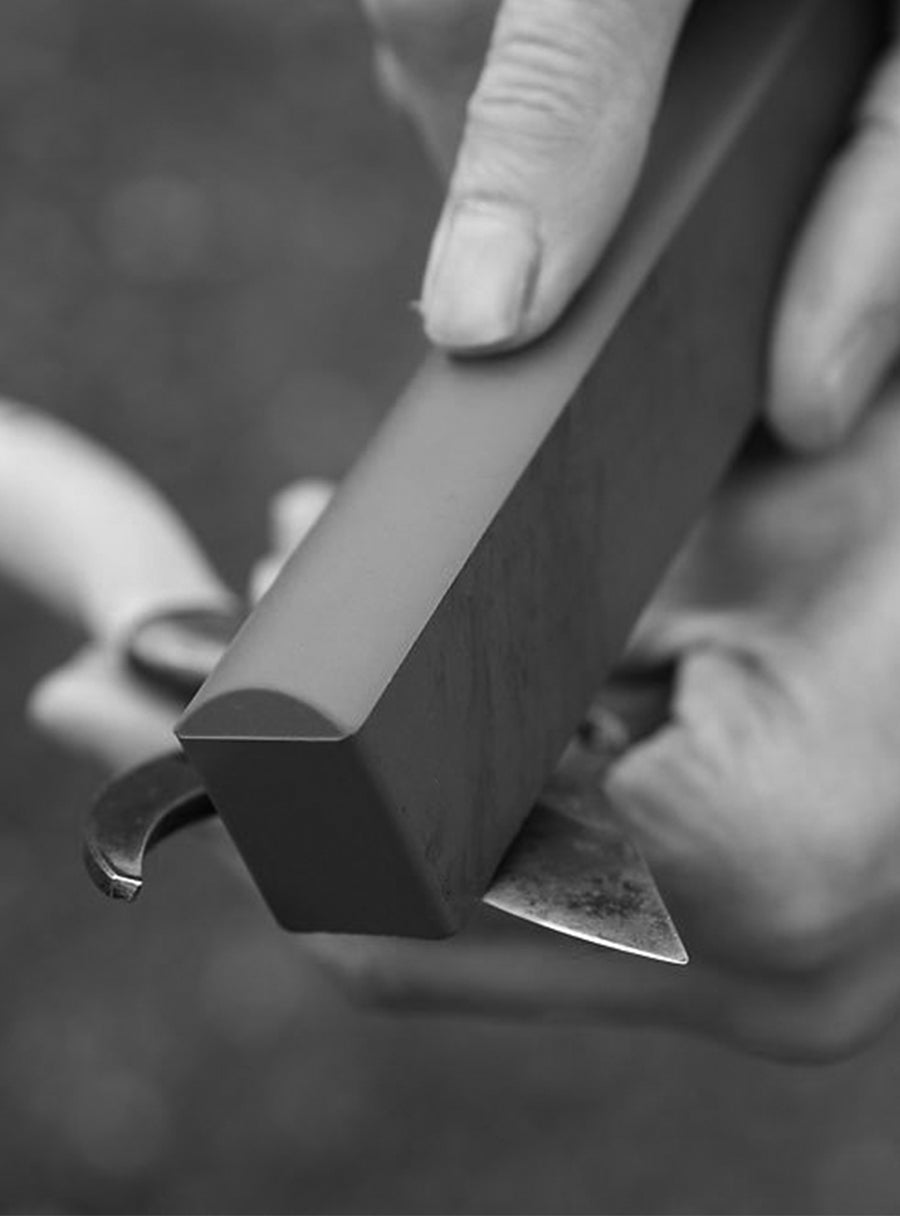
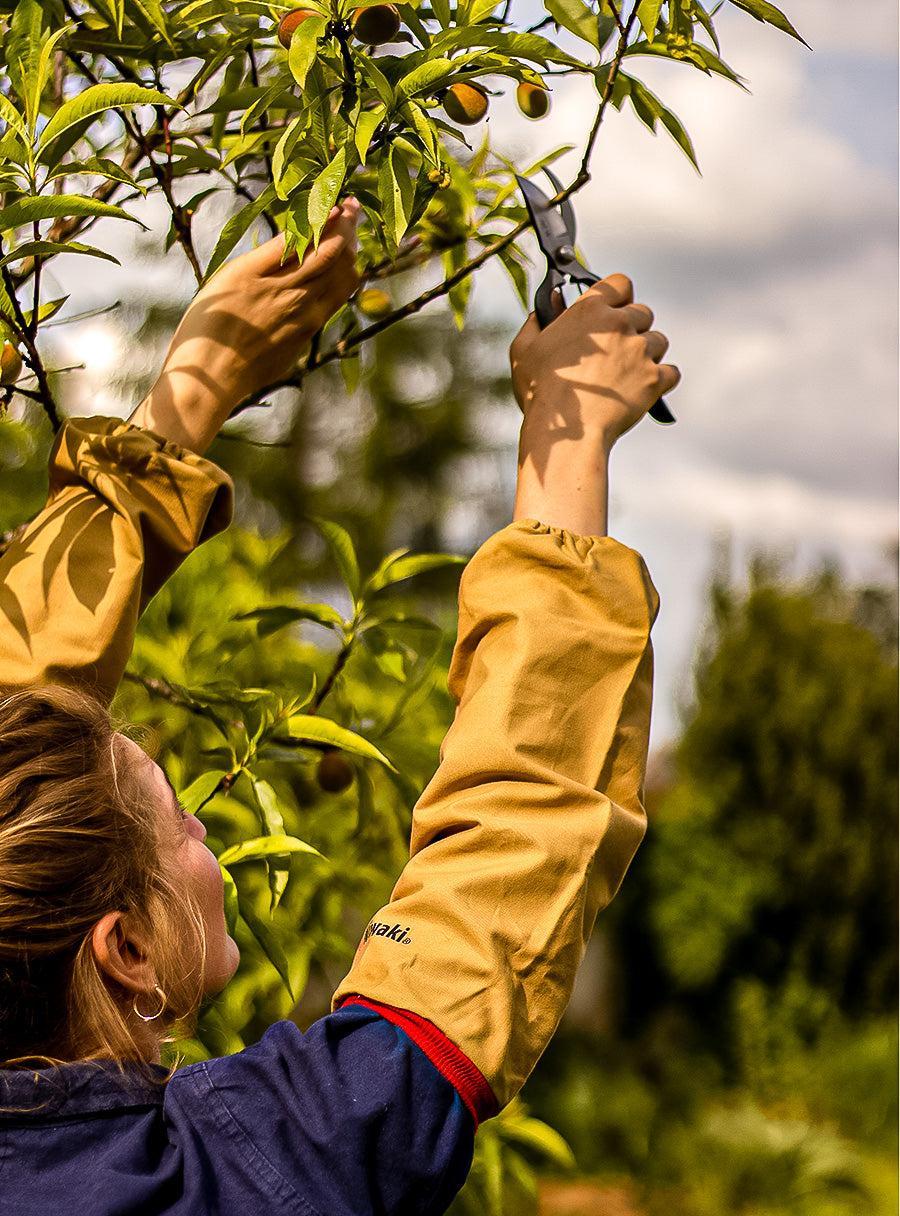
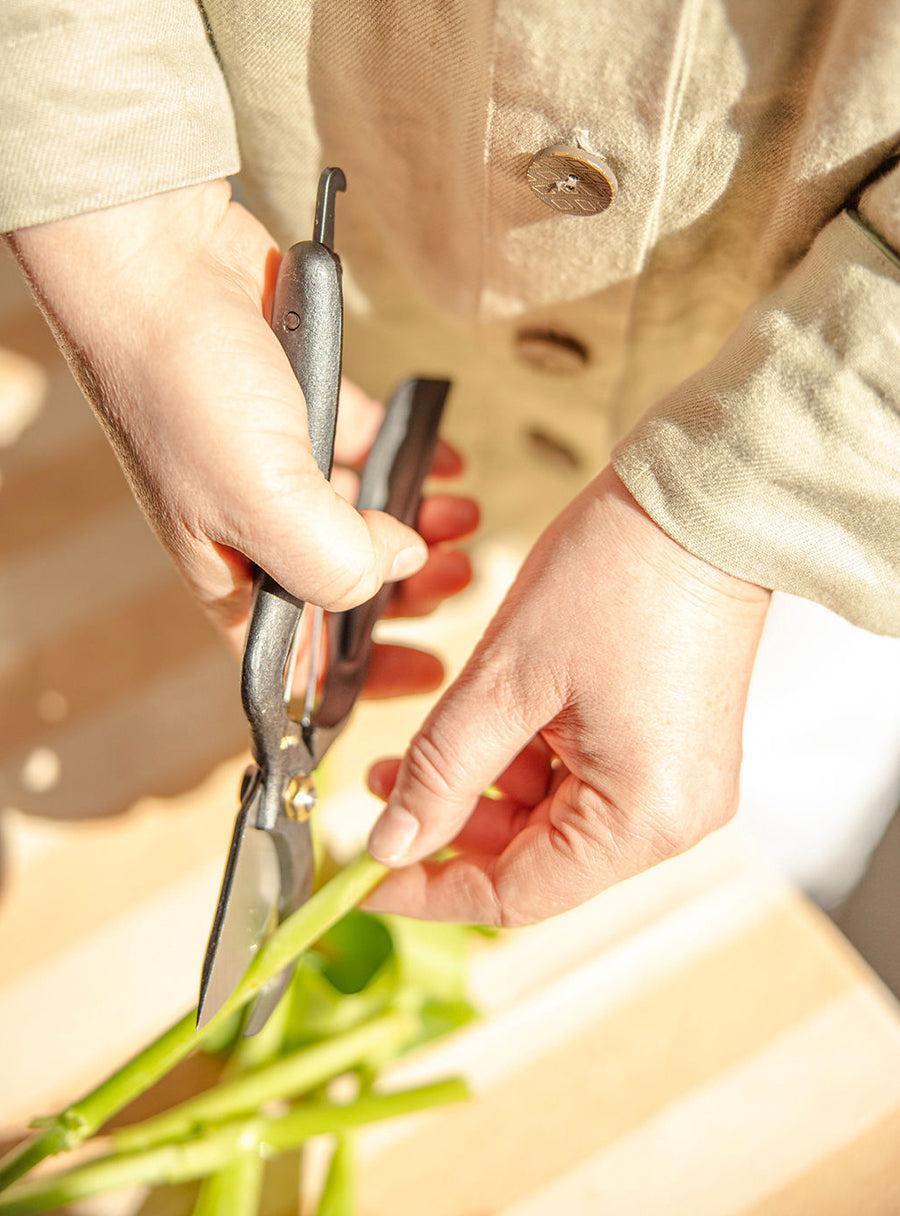
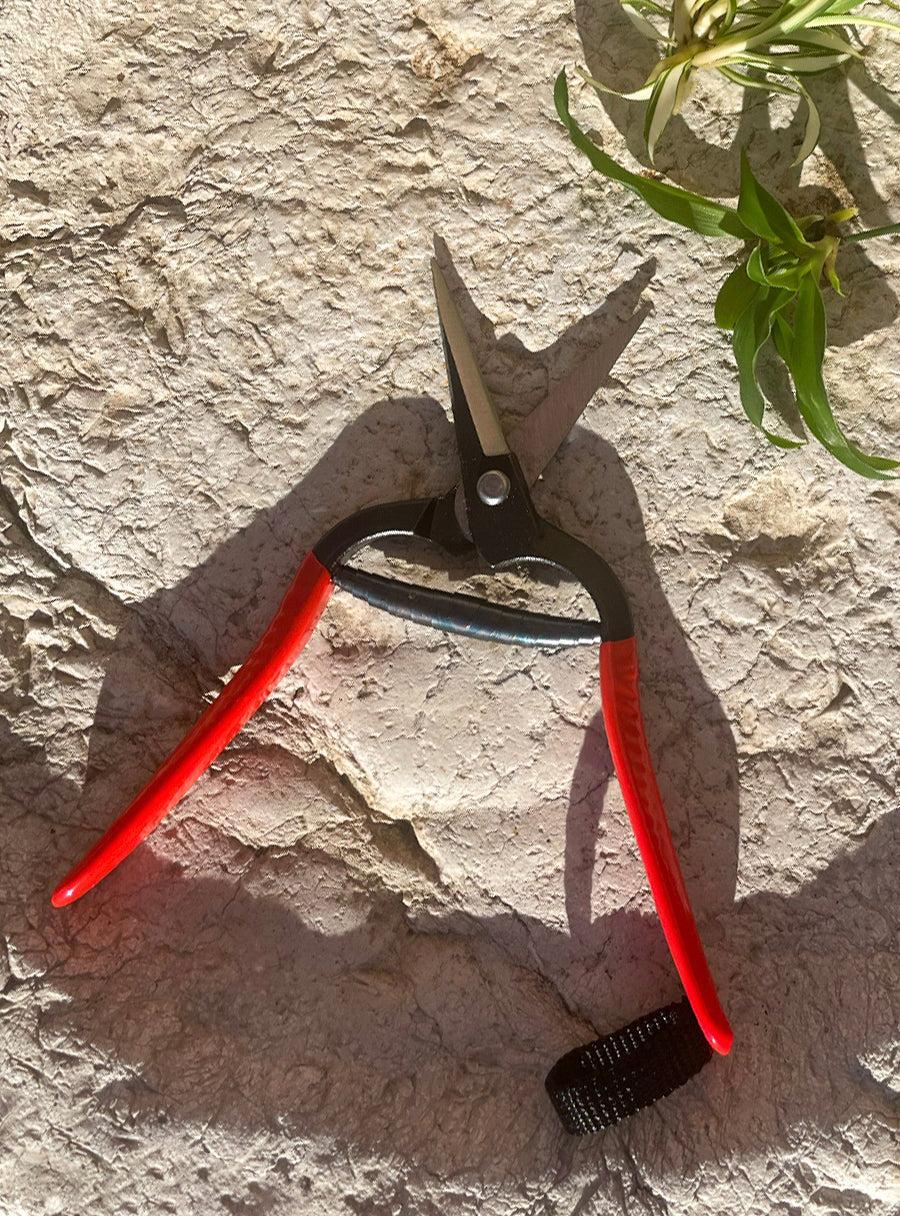
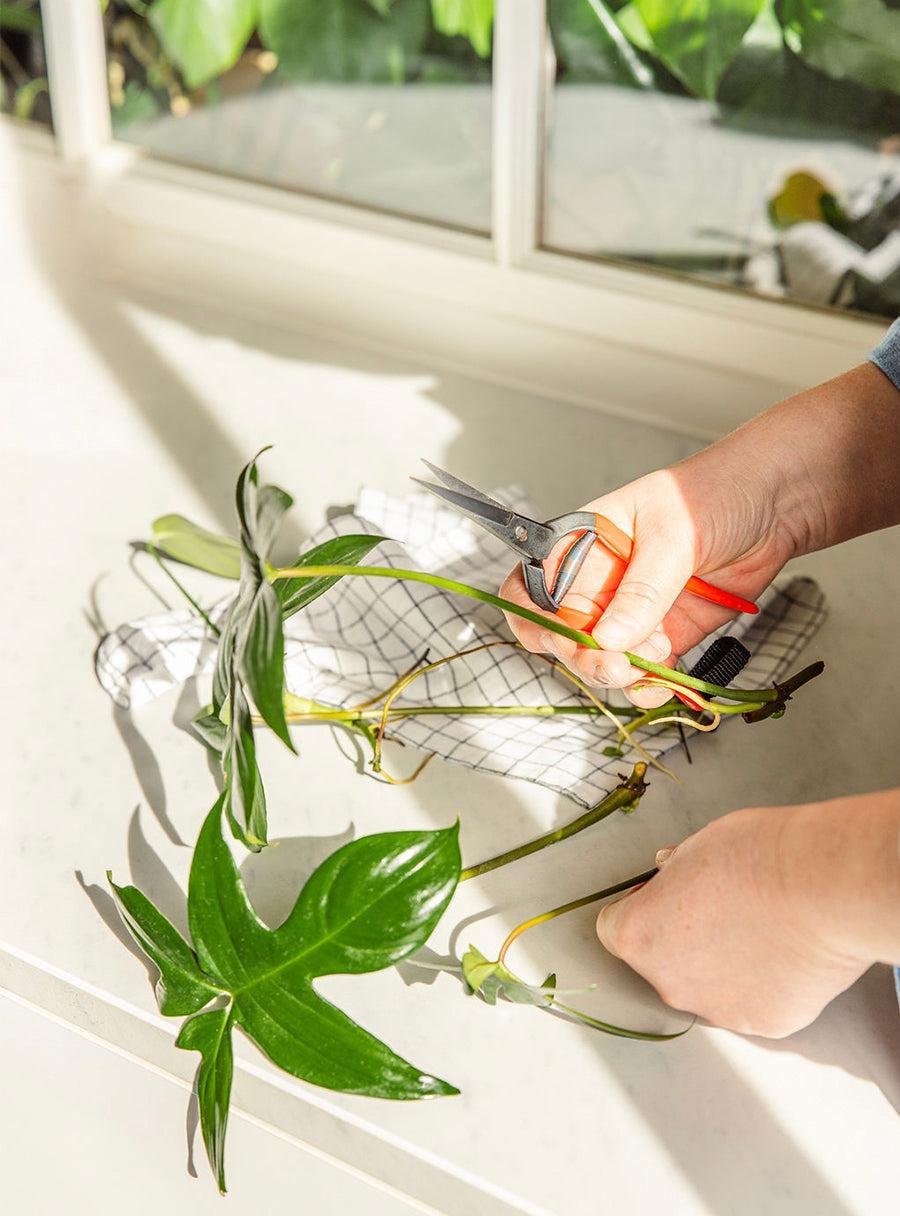
-choose sharp pruning shears to avoid damaging your tree and disinfect the blades well to prevent the spread of diseases from one plant to another
- first remove all dead, yellow or diseased branches, then the suckers and finally the end of the year's growth
-the cut must remain light and be gradual to adapt to the natural shape of the tree
-during the spring, continue to monitor your tree, you can remove some new shoots if they prove to be too numerous in places or too vigorous
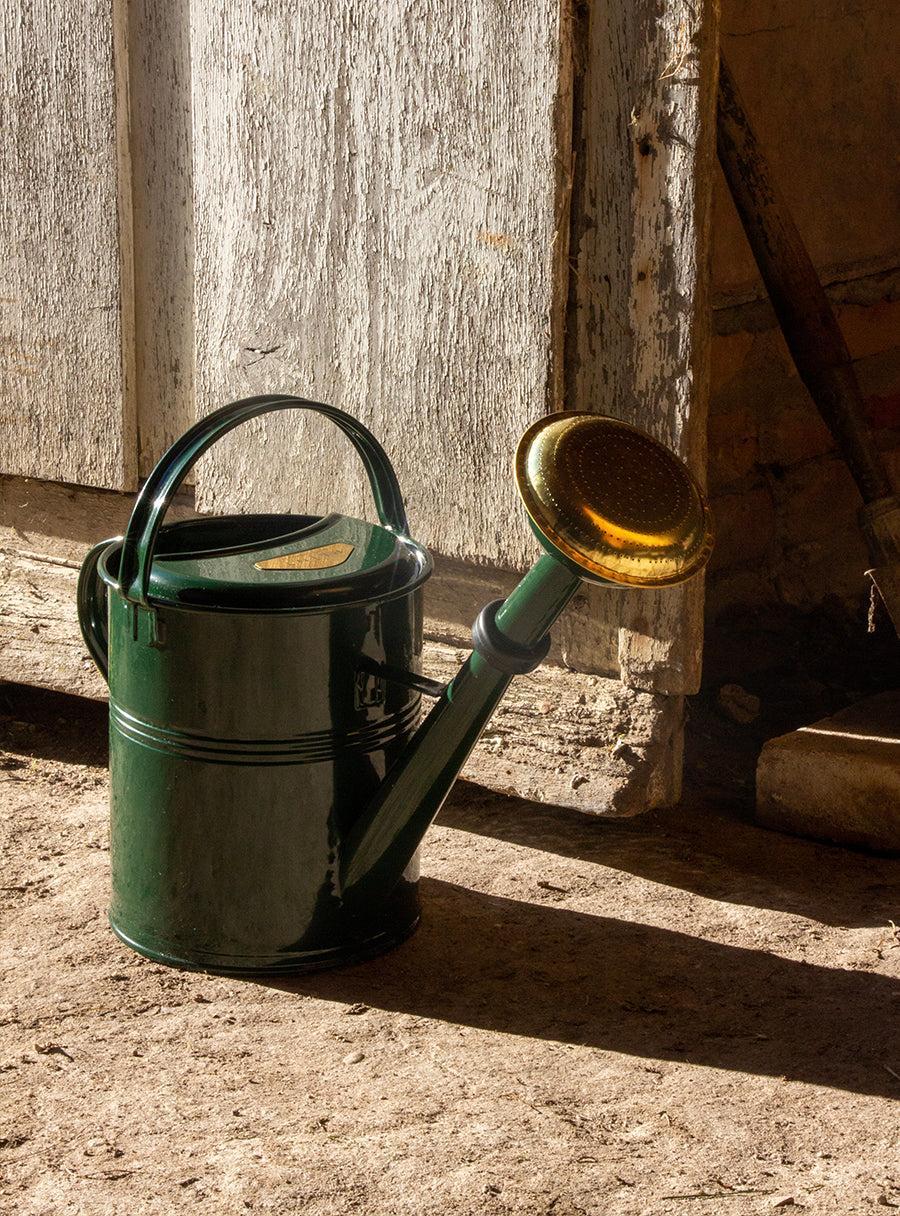
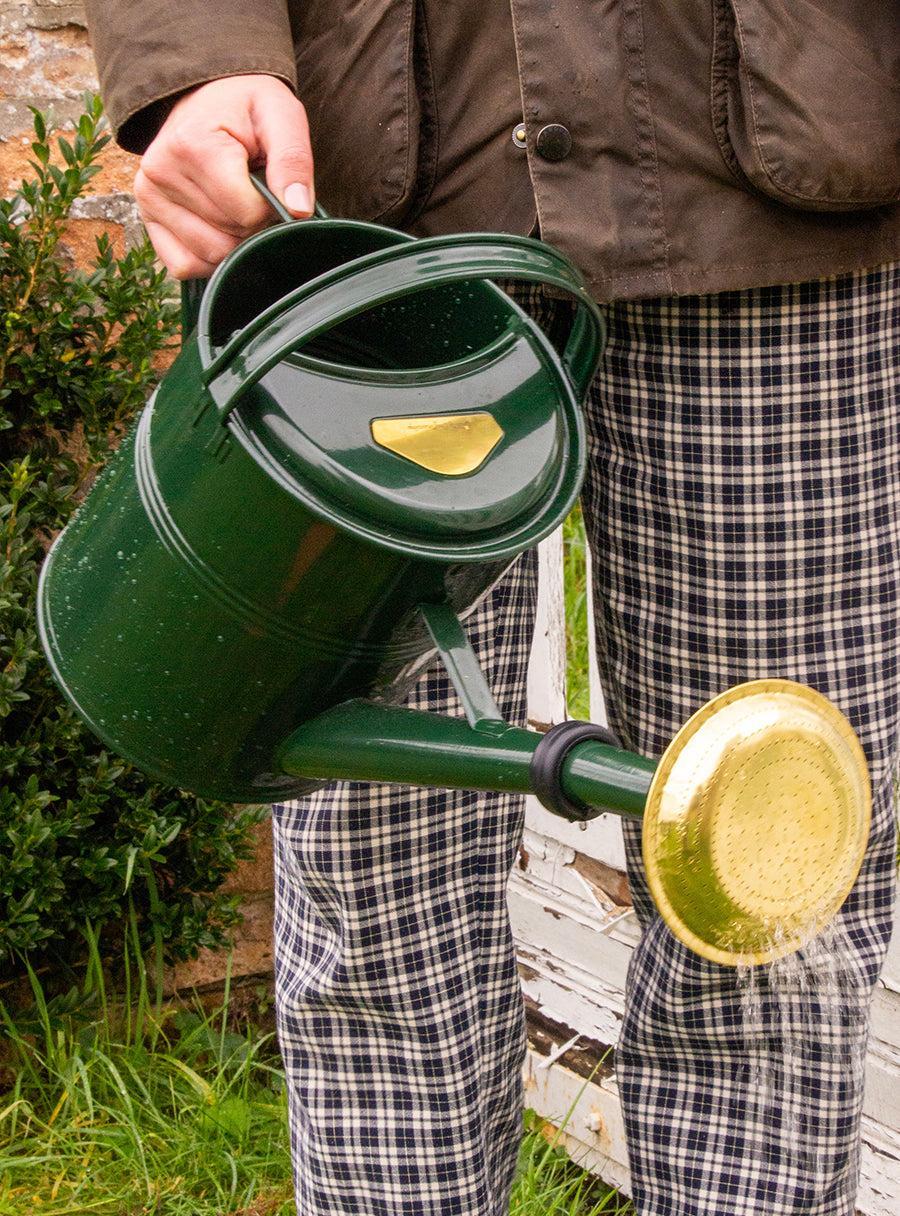
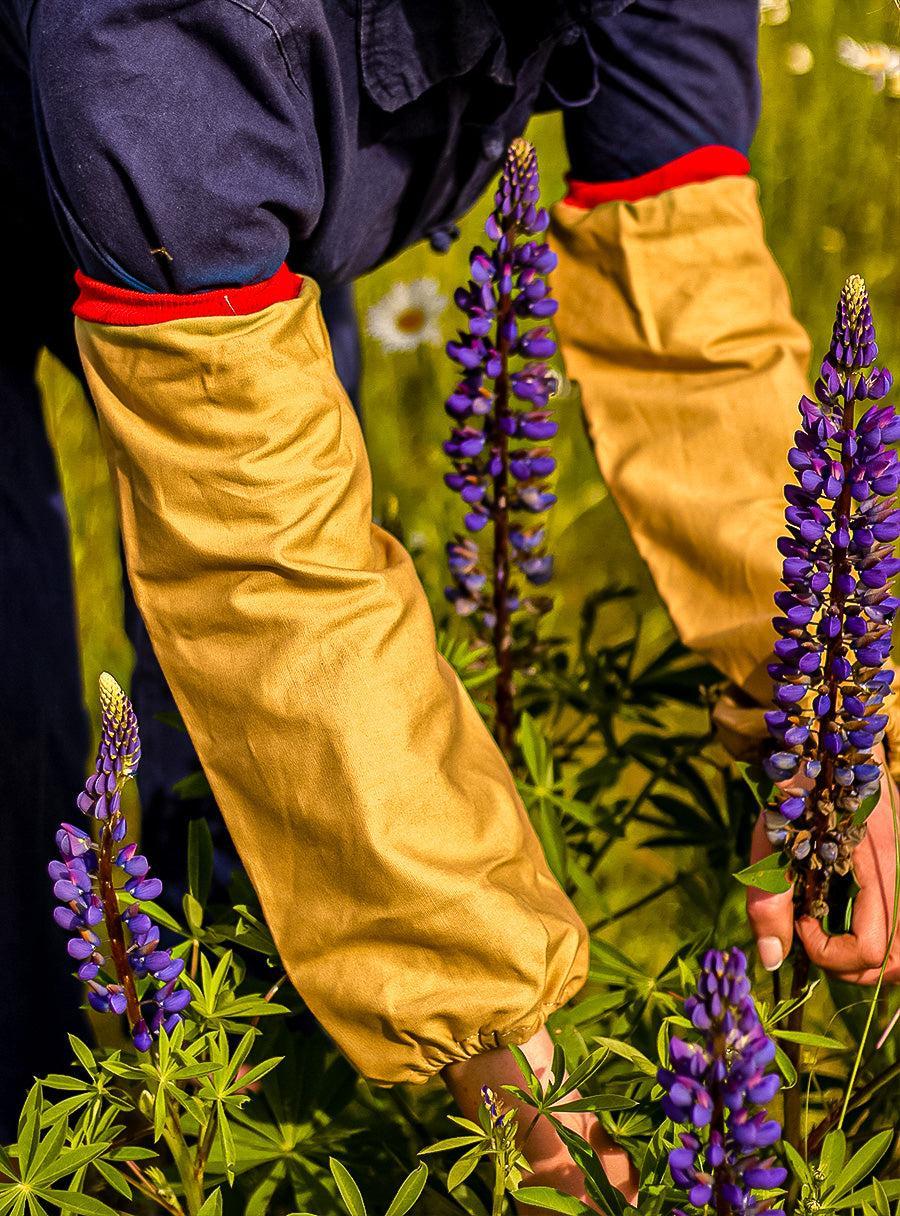
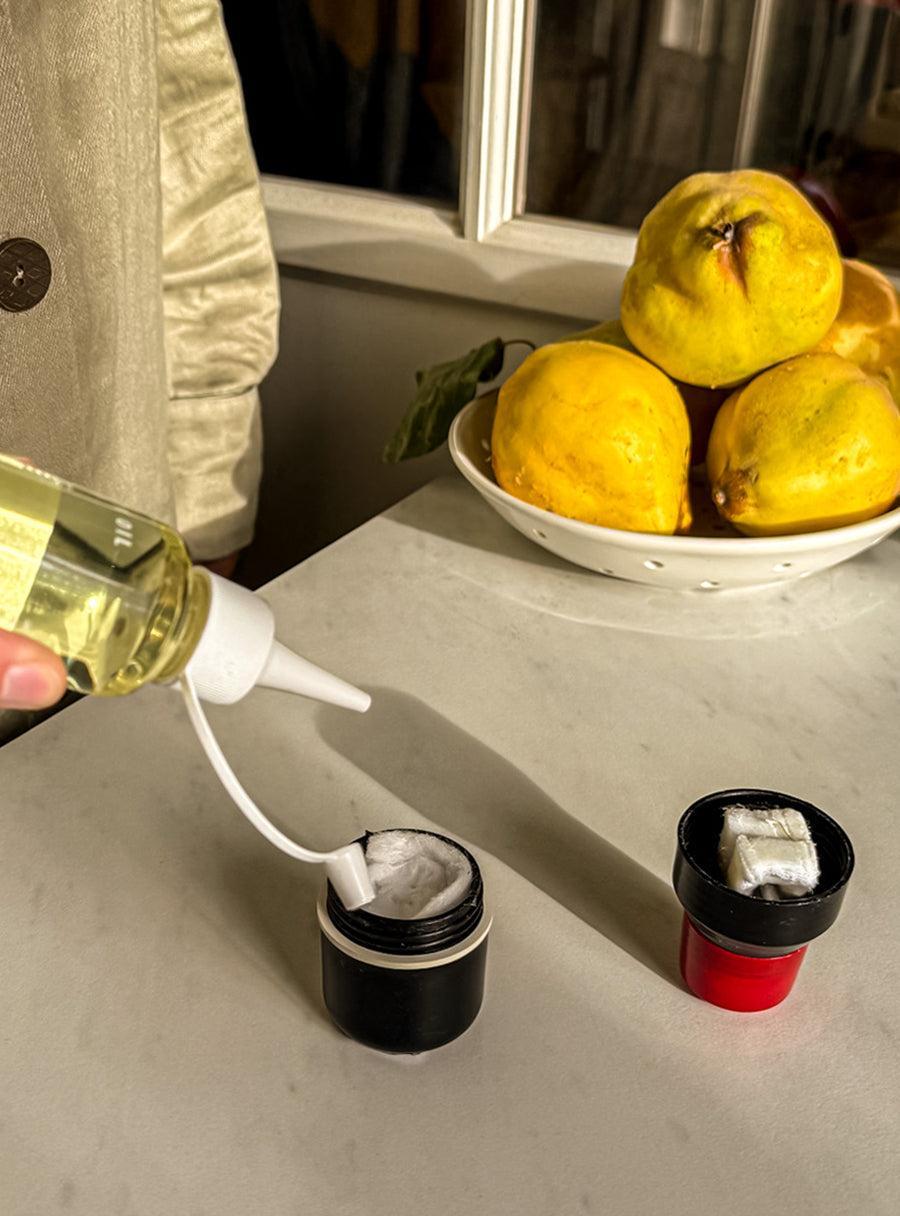
Citrus Care: Tools & Accessories


A major garden for botanical science
The Palermo Botanical Garden currently houses more than 12,000 different species.
Created at the time of great scientific discoveries, the Orto Botanico became, from the second half of the 19th century until the beginning of the 20th century, one of the most renowned botanical gardens in Europe.
Its warm temperatures allowed newly discovered tropical flora to acclimatize. Rich relationships were established with the original regions of exotic spaces from Africa, Asia, Oceania, and South America.
It is thanks to this living open-air museum that we owe the introduction of certain species such as the mandarin tree (Citrus deliciosa) , now widespread and consumed throughout the Mediterranean basin.
The institution also houses a Herbarium, created at the beginning of the 19th century, which today houses some 400,000 plant species, some of which are presented in an exhibition room at reception.
As we leave the place, we promise ourselves to return outside the summer season to really take the time to wander through the aisles and stroll on the café terrace.
Orto Botanico
University of Palermo Studies
Via Lincoln, 2
90133 PALERMO, Italy