What does non-hybrid seeds mean?
We use the term non-hybrid seeds for open-pollinated seeds, which differ from so-called "F1" hybrid seeds.
What is a hybrid seed?
A hybrid is the product of cross-breeding two different species of plants to create a new plant variety.
Parent plants with a specific interesting characteristic, such as their shape, taste, or resistance to disease, are crossed.
This cross-breeding can be done naturally by placing plants side by side in the vegetable garden, for example (this is called cross-pollination), or in a laboratory. It is this type of hybridization that produces "F1" hybrid seeds (First Filial Generation).
The "F1" seeds resulting from this cross will produce plants that are all identical, with the desired characteristics.
By sowing these seeds, you therefore have the "guarantee" of obtaining the expected result.
On the other hand, seeds from "F1" plants produce descendants that differ from the parents: the sowing is not true-to-type, the variety is unstable.
You will therefore need to buy new seeds for the following year's sowing.
Open-pollinated, non-hybrid seeds
Open-pollinated seeds are varieties that have been pollinated without human intervention, or nearly so.
These are so-called stable varieties. Heirloom varieties or stable cultivars, selected by humans for millennia to improve or modify the organoleptic and physiological characteristics of the original species: appearance, flavor, and resistance.
These seeds can be resown year after year, producing descendants identical to the parents each time.
You just need to make sure you leave enough distance between similar varieties in your garden so that they do not cross-pollinate!
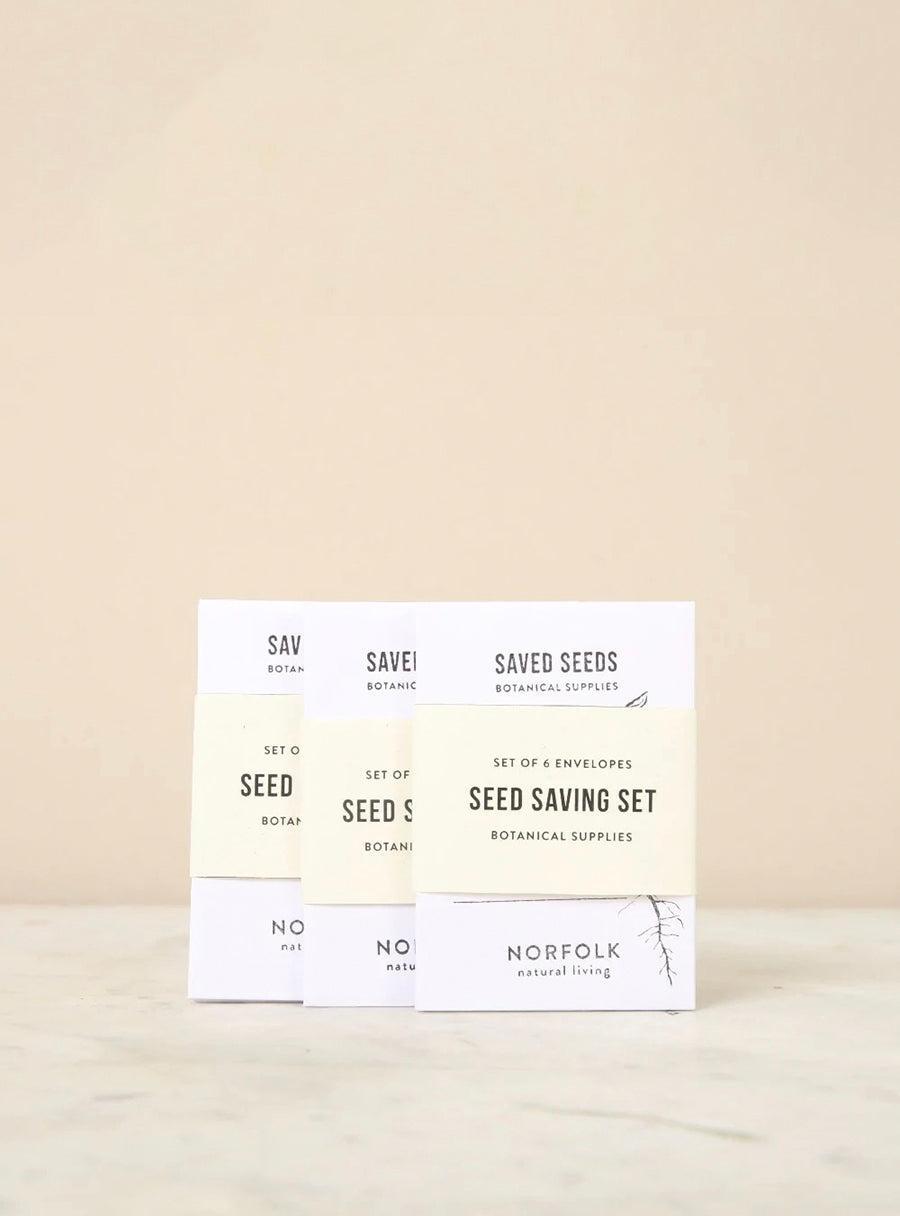
The great advantage, therefore, is that you can save your seeds. And the more you replant them from one season to the next, the more adapted the plants will be to your growing conditions.
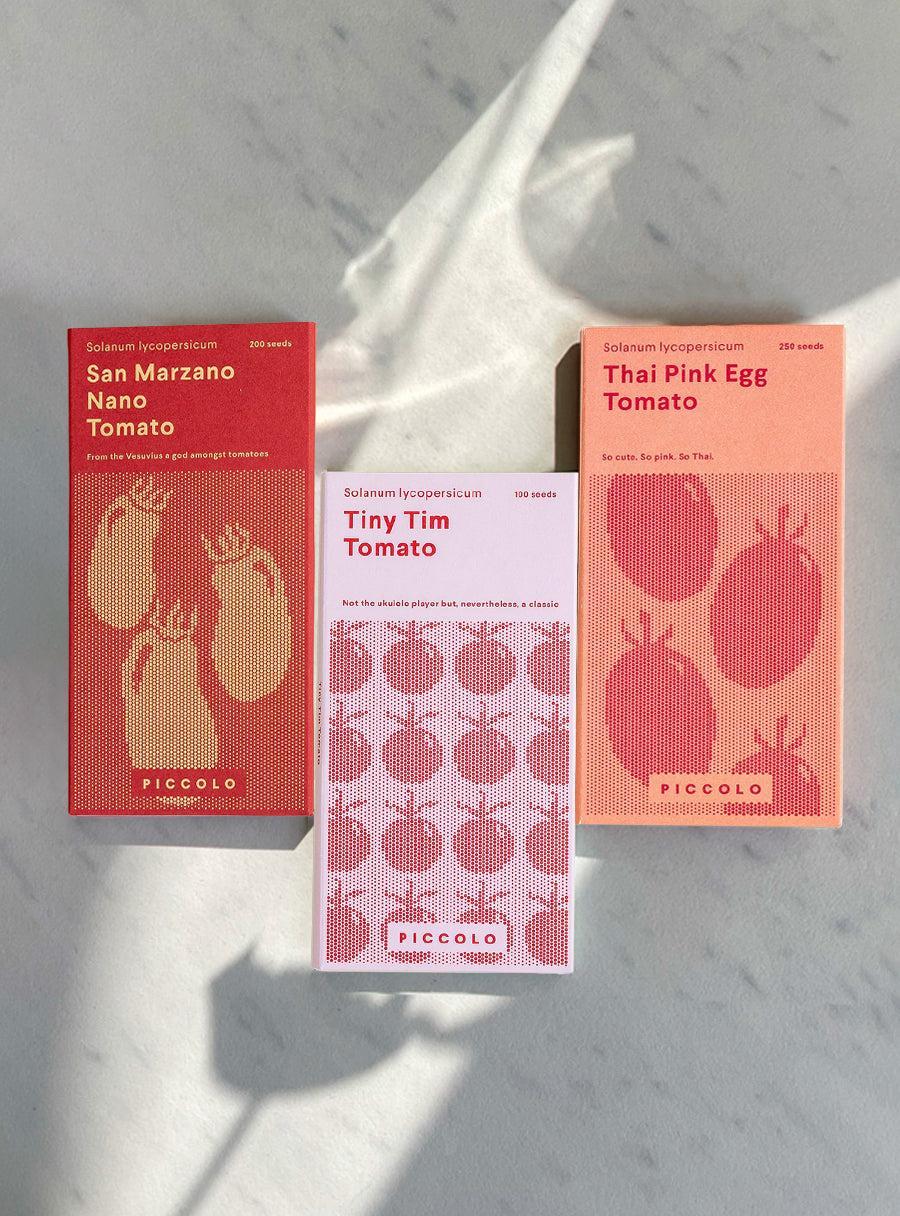
Our selection of non-hybrid seeds for sowing