Gardening & Tool Tips
The Hori Hori: An Indispensable Tool in the Garden

Whether you are an amateur gardener or a seasoned enthusiast, the Japanese Hori Hori gardening knife is an essential tool.
It is one of the most versatile Japanese gardening tools.
Precise and robust, it adapts to all your tasks: planting, weeding, pruning, or harvesting. Its sturdy and aesthetic design makes it an ally that is as pleasant to use as it is effective on a daily basis.
History and Origin of the Hori Hori
The Hori Hori has its origins in Japan, where it was traditionally used for collecting mountain plants and maintaining gardens.
Its name comes from the Japanese verb "hori," which means "to dig."
Originally, this Japanese gardening tool was used by farmers and gardeners for their daily tasks: weeding, planting, and cutting roots. Today, the Hori Hori is recognized worldwide as a versatile garden knife, appreciated for its precision and robustness.
Hori Hori Knife Features
The Japanese Hori Hori knife stands out for several essential characteristics, which make it a versatile and durable gardening tool:
- Sharp and versatile blade: its pointed and slightly curved blade is sharpened on the sides, with serrations on one side depending on the model. This design allows for digging, weeding, cutting roots, and even planting with precision.
- Resistant and durable materials: the Hori Hori blade is made of stainless steel or carbon steel, robust materials that ensure great resistance to corrosion and wear.
- Ergonomic handle for a comfortable grip: its handle, generally made of wood, is designed to ensure a comfortable and secure grip, reducing fatigue during prolonged use.
Main Uses
The Hori Hori is an incredibly versatile tool, suitable for many gardening tasks. Here are some practical examples of how to use it:
Planting
The Hori Hori is perfect for planting bulbs and seedlings. To plant tulips in the spring, use the tip of the blade to dig a suitable hole, then insert the bulb at the correct depth and cover it with soil. Its sharp edge makes it easy to penetrate even more compact soils.
Weeding
When you need to remove stubborn weeds, use the sharp side of the blade to cut the roots and pry them out. For example, to remove a dandelion with a long taproot, insert the blade next to the root and pry to pull it out completely without breaking the root. The sharp blade also makes it easy to extract weeds in tight spaces.
Trimming and Pruning
Easily trim small branches and plants with the sharp part of the blade. For example, when pruning your rose bushes, use the Hori Hori to cut unwanted or dead stems, which encourages better growth and flowering.
Dividing Perennials
To divide perennials like irises or daylilies, use the knife to separate the rhizomes. This allows you to replant them elsewhere in your garden and encourages better flowering.
Moving Plants
If you need to move a plant from one location to another, use the Hori Hori to dig around the roots and gently remove it. For example, to transplant a young tomato plant, dig around the root ball and carefully lift the plant to replant it elsewhere without damaging its roots.


Advantages compared to other tools
The Hori Hori offers several advantages that make it superior to many other gardening tools.
- Versatility: a single tool for multiple tasks, which reduces the need to carry several tools.
- Durability: made with high-quality materials, the Hori Hori is built to last.
- Efficiency: allows you to work faster and with more precision thanks to its multi-functional features.
Maintenance and Care
To ensure your Hori Hori remains in excellent condition and continues to serve you for years to come, here are a few maintenance tips.
- Cleaning after use: wipe the blade after each use to remove dirt and moisture
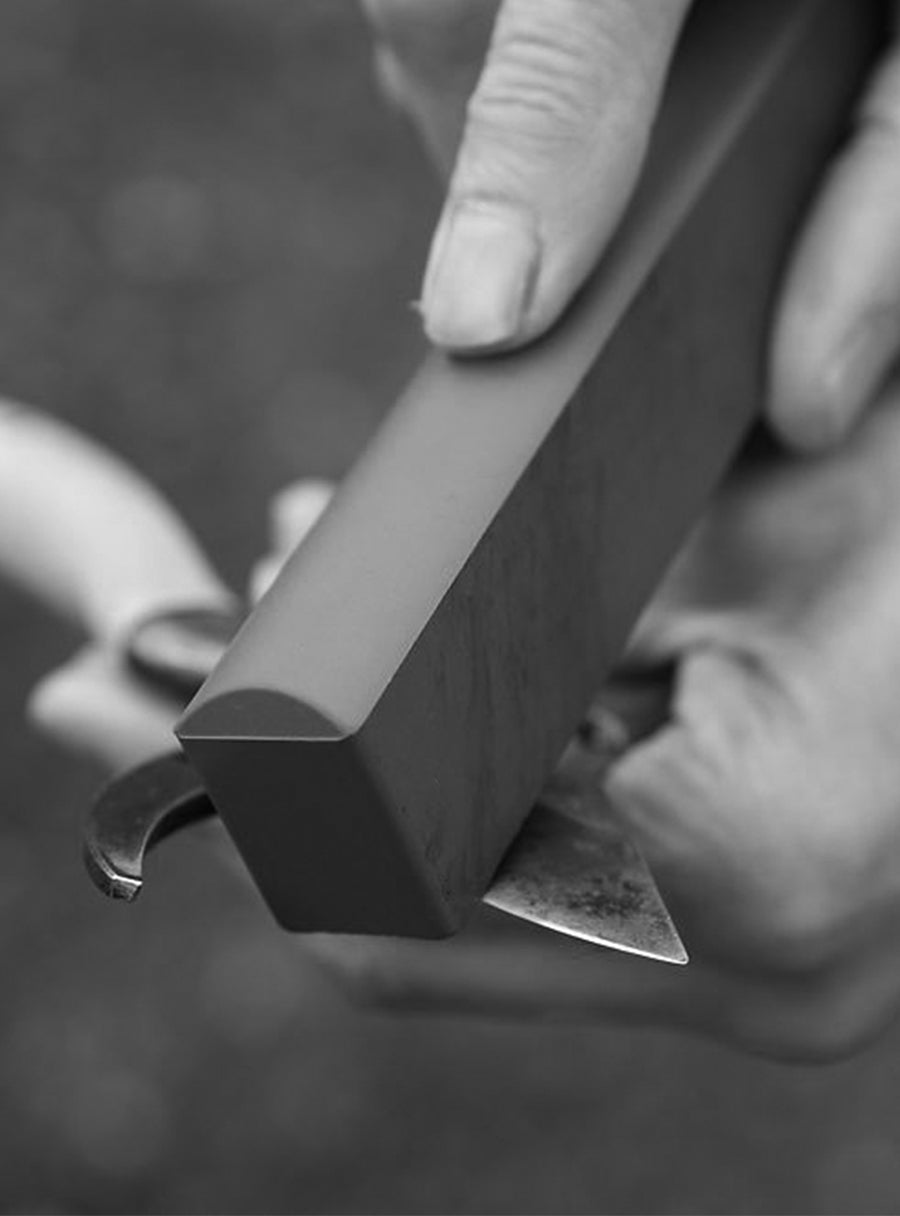
- Regular sharpening: use a sharpening stone to keep the blade sharp
- Proper storage: store it in its sheath to prevent accidents and preserve the blade, and keep it in a dry place
To provide proper care for your garden tools