
Botanical Art & Craft
Picking Summer flowers : how to press them?
After the floral abundance of spring, summer offers a few flowers to pick, both in the garden and on a walk.
A few principles apply to most of them: picking should be done from a dry plant, never in the rain or early in the morning when dew is still present. The best time is late morning.
Pressing should follow picking quickly, before the flower begins to wilt. The pressure varies according to thickness: firmer for fleshy heads, lighter for thin petals that wrinkle easily.
Unlike air drying, which preserves the flower's volume but gradually fades its color, pressing flattens it while better preserving its hue. However, the color does evolve: water evaporates, pigments concentrate and sometimes oxidize, giving each flower a new shade rather than an exact copy of its original color. It takes one to four weeks under the press depending on the thickness of the flower, changing the paper every two or three days for fleshy or lighter species.
Once pressed, each flower becomes a unique material, with its own shape, transparency, and color, opening up numerous possibilities for composition. Here are a few examples of flowers to pick and press.
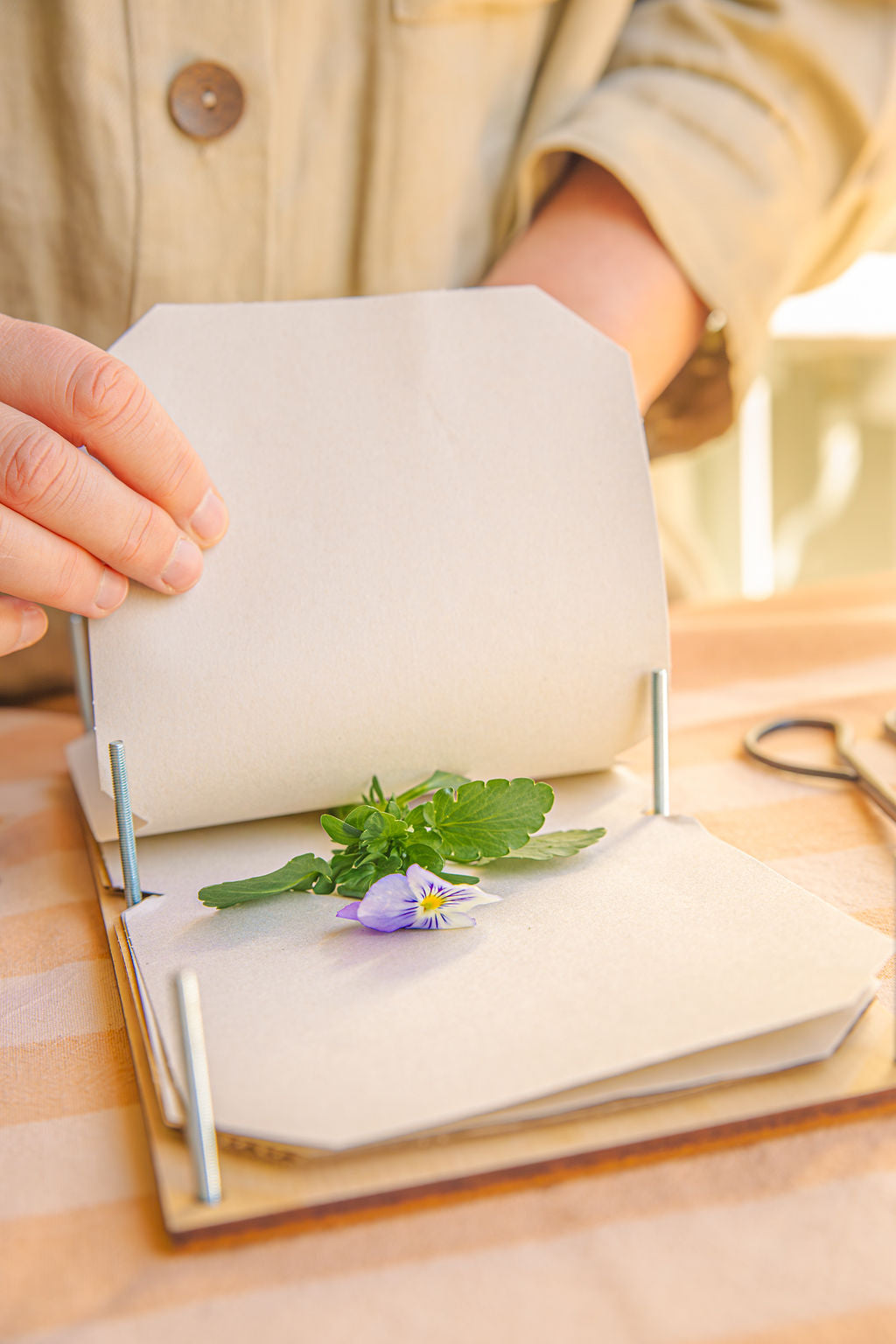
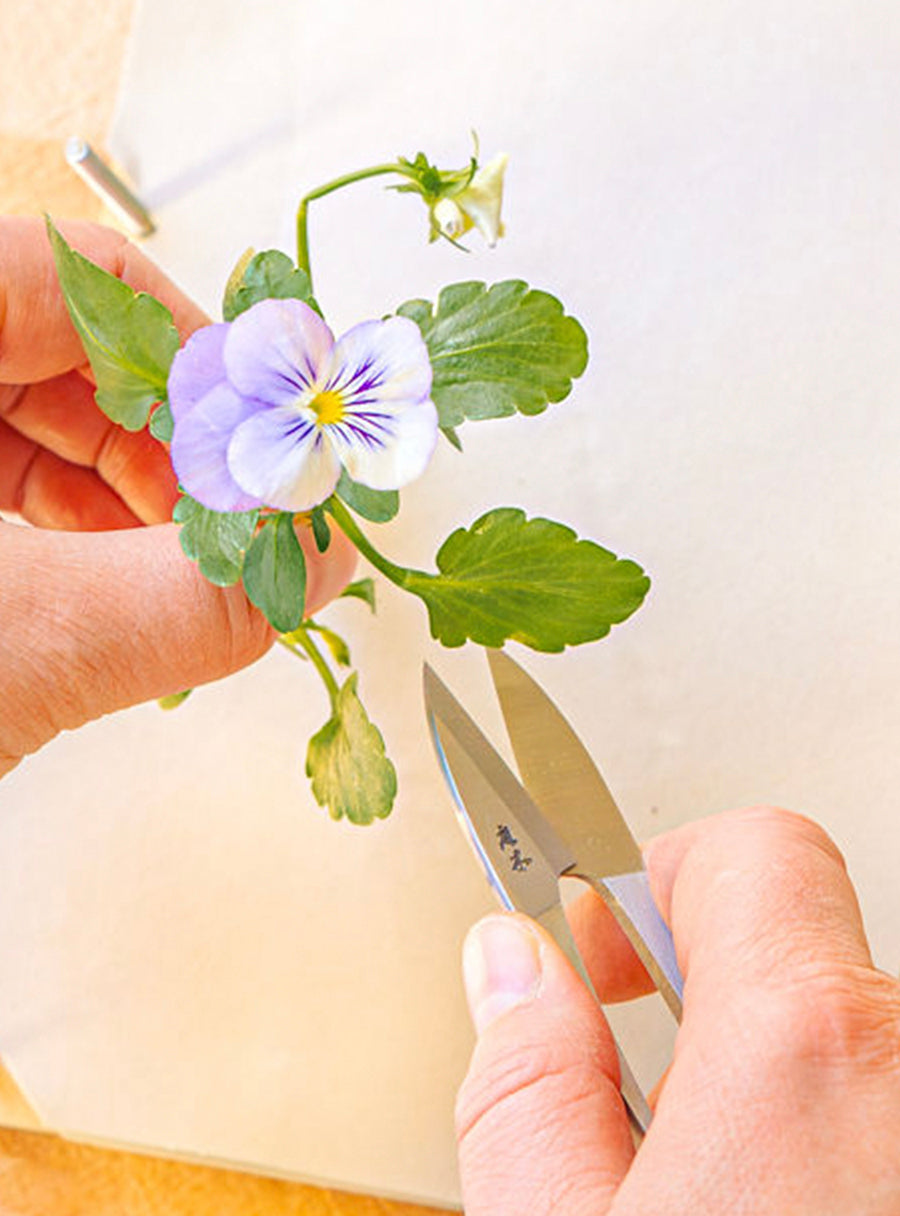
Pansies
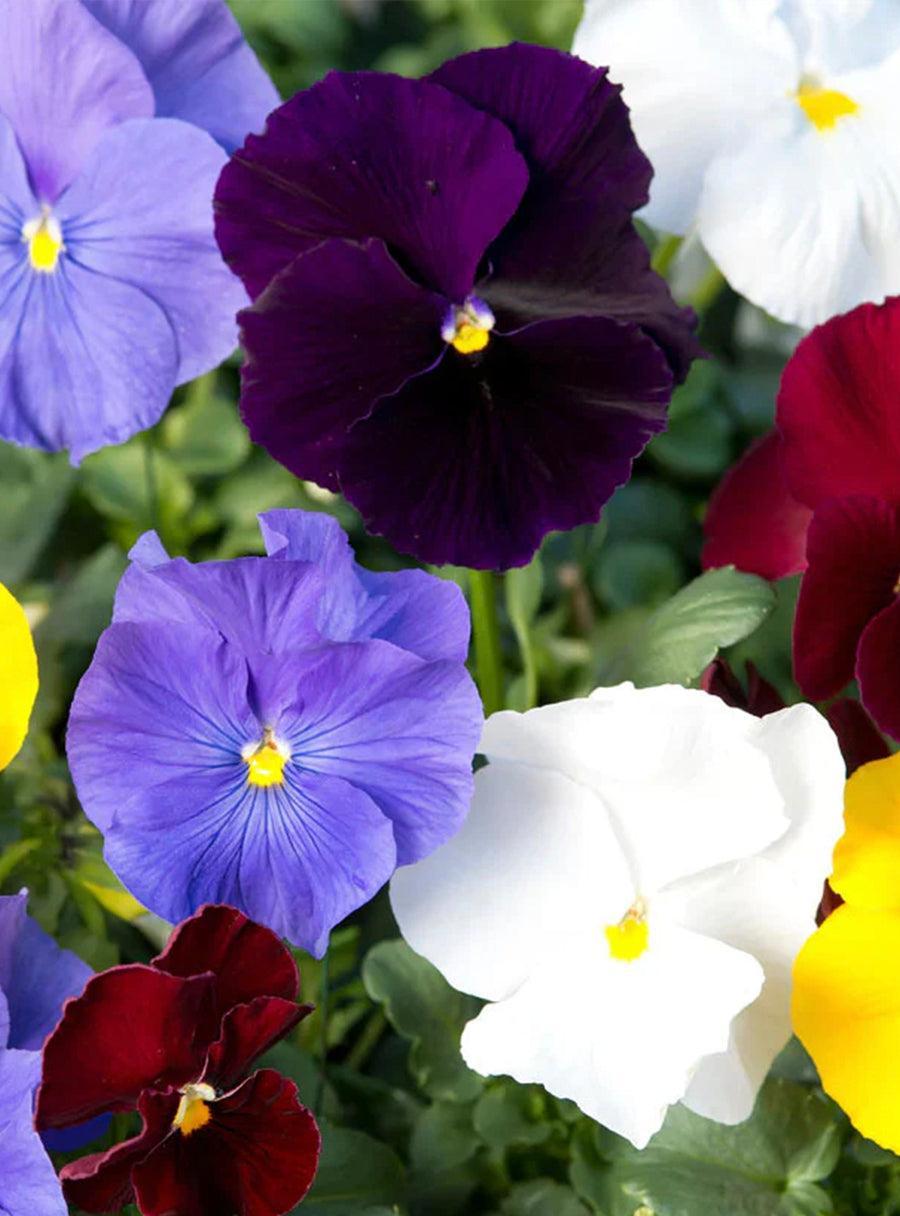
Already flat by nature, the pansy presses easily, without any special preparation. It keeps its colours well and the contrast between the flower's zones is sharp, making it a good starting point for anyone just beginning to press flowers.
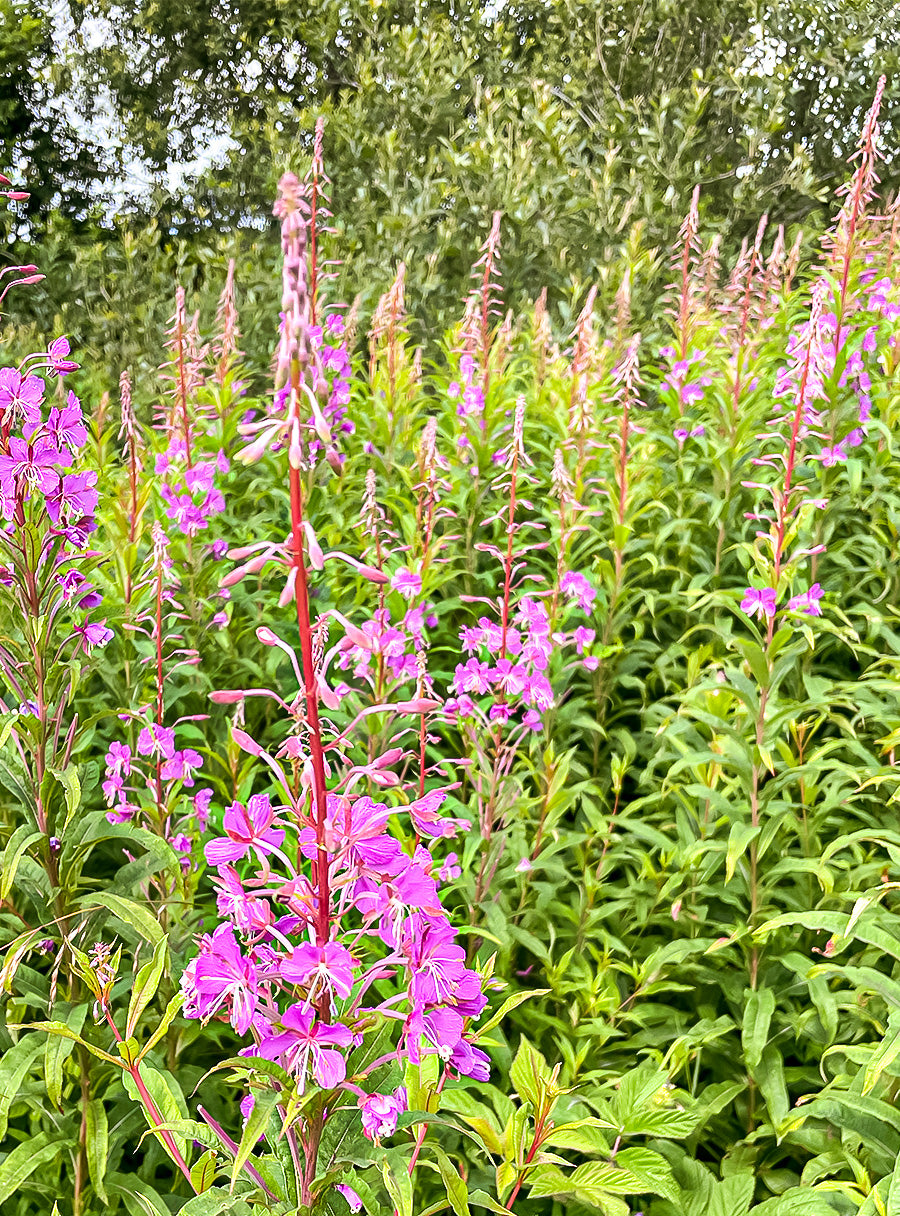
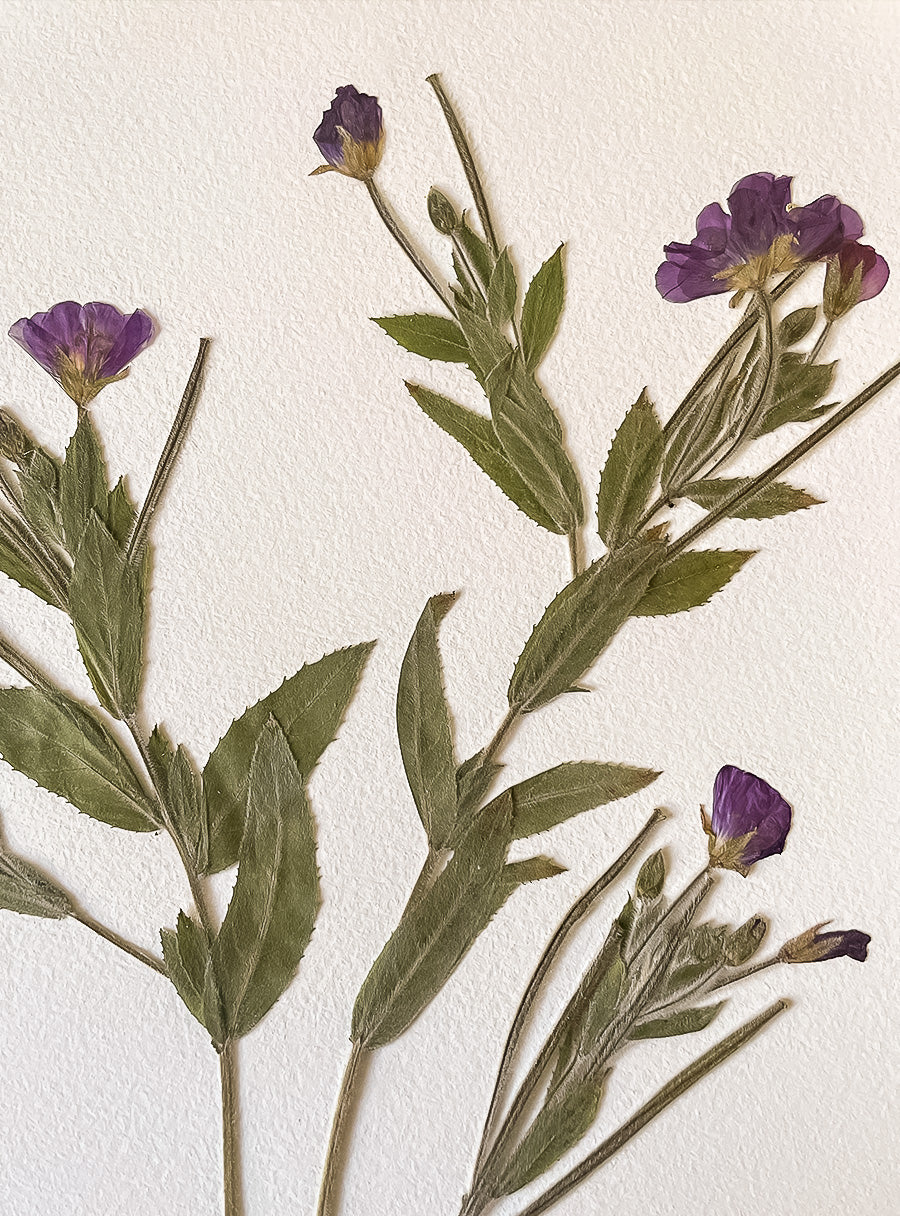
Willowherb
The flowers crowd together one by one rather than in a whole spike, to keep each flower distinct. Later in the season, the pods that release their cottony seeds also crowd together and provide a very different texture from the flower, almost downy, which contrasts well with sharper elements.
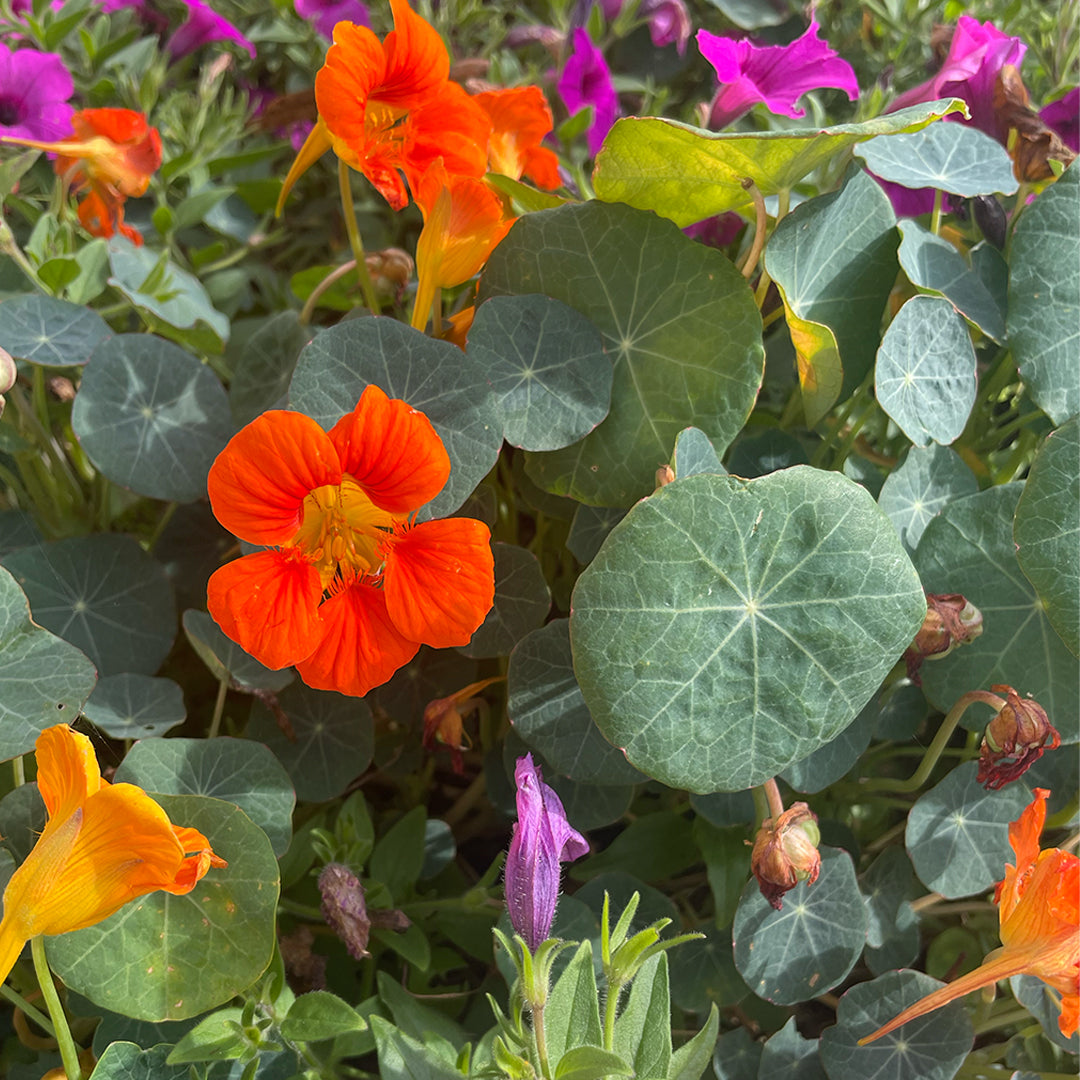
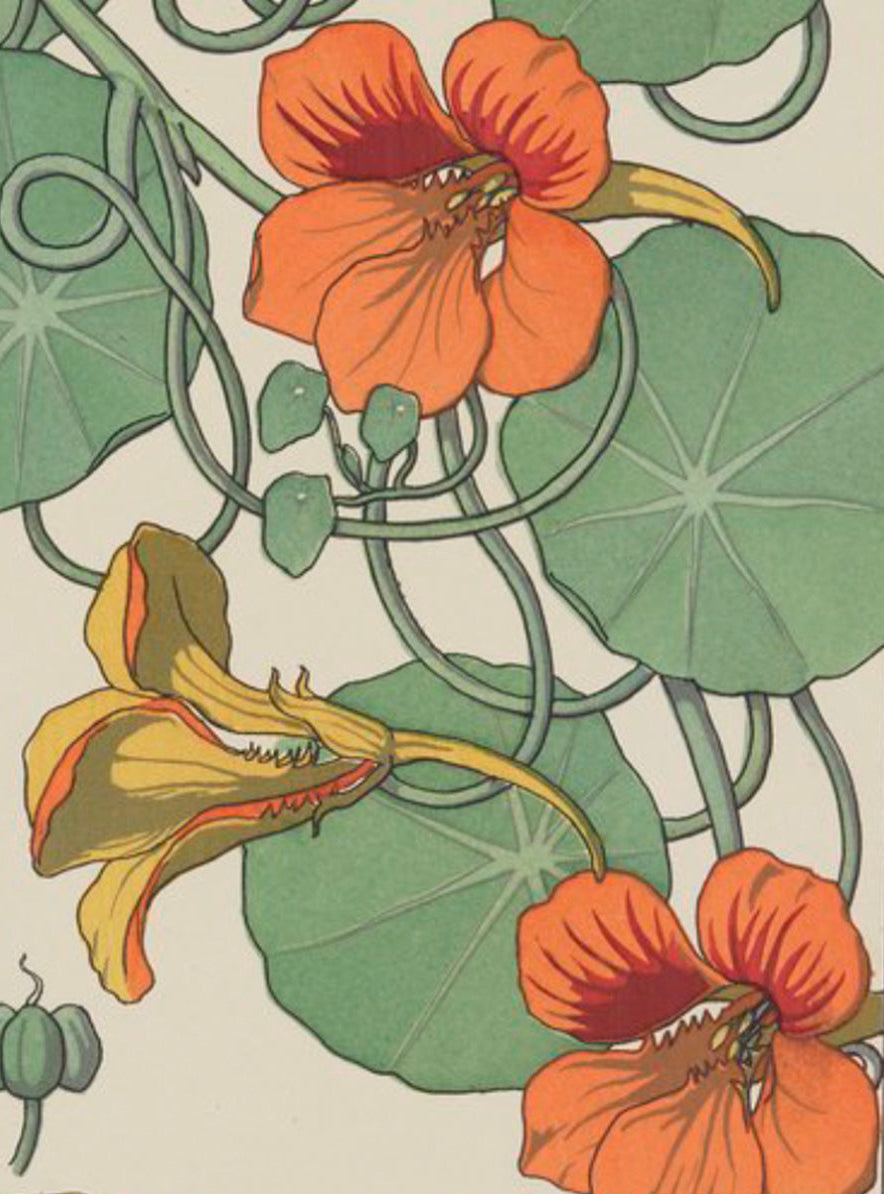
Nasturtium
Pressing the flower in profile allows it to retain its trumpet shape when drying, but it can also be pressed flat, with petals spread out for a different silhouette. As it dries, it takes on a more reddish and translucent hue, revealing its veins: a transparency that lends itself well to cyanotype.
The leaf - its graphic quality, its textures - lends itself well to imprinting.
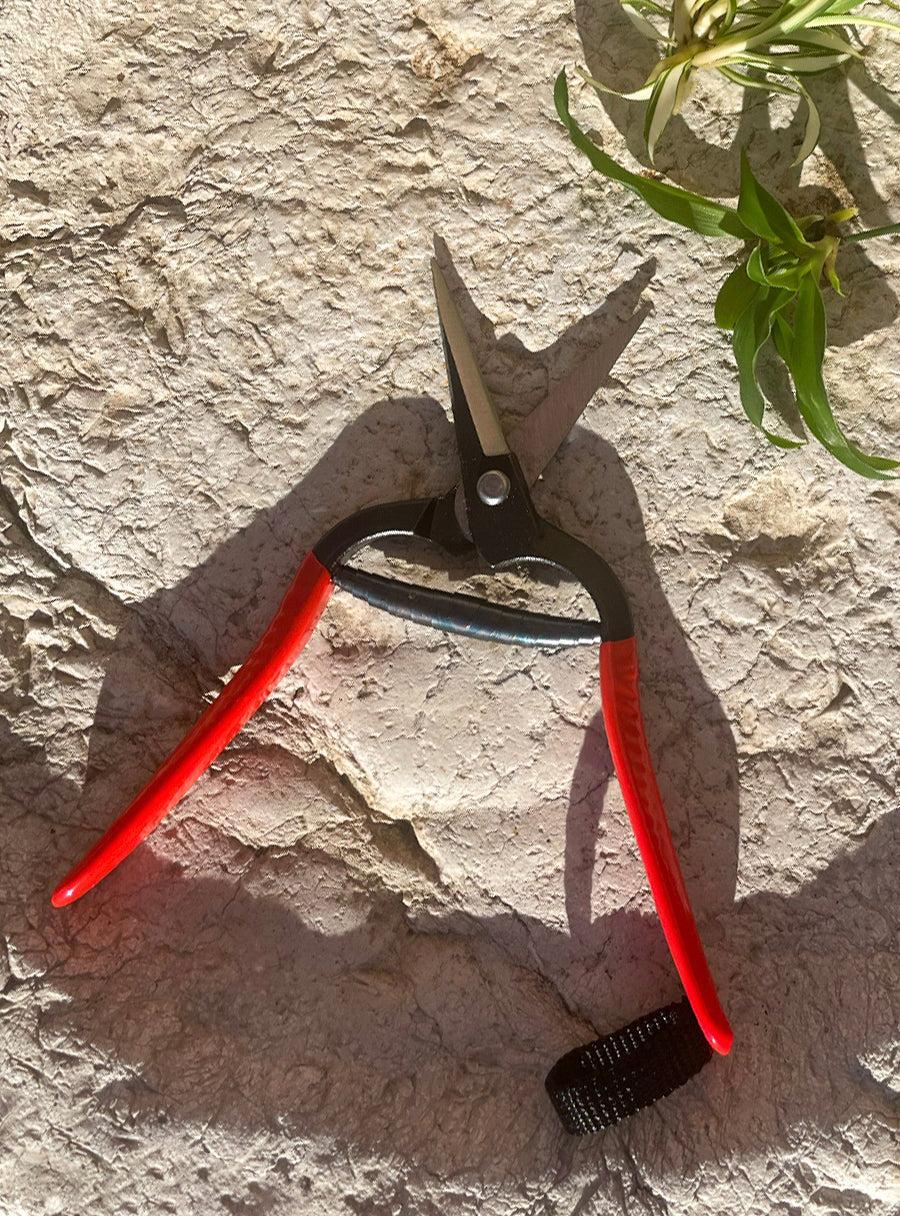
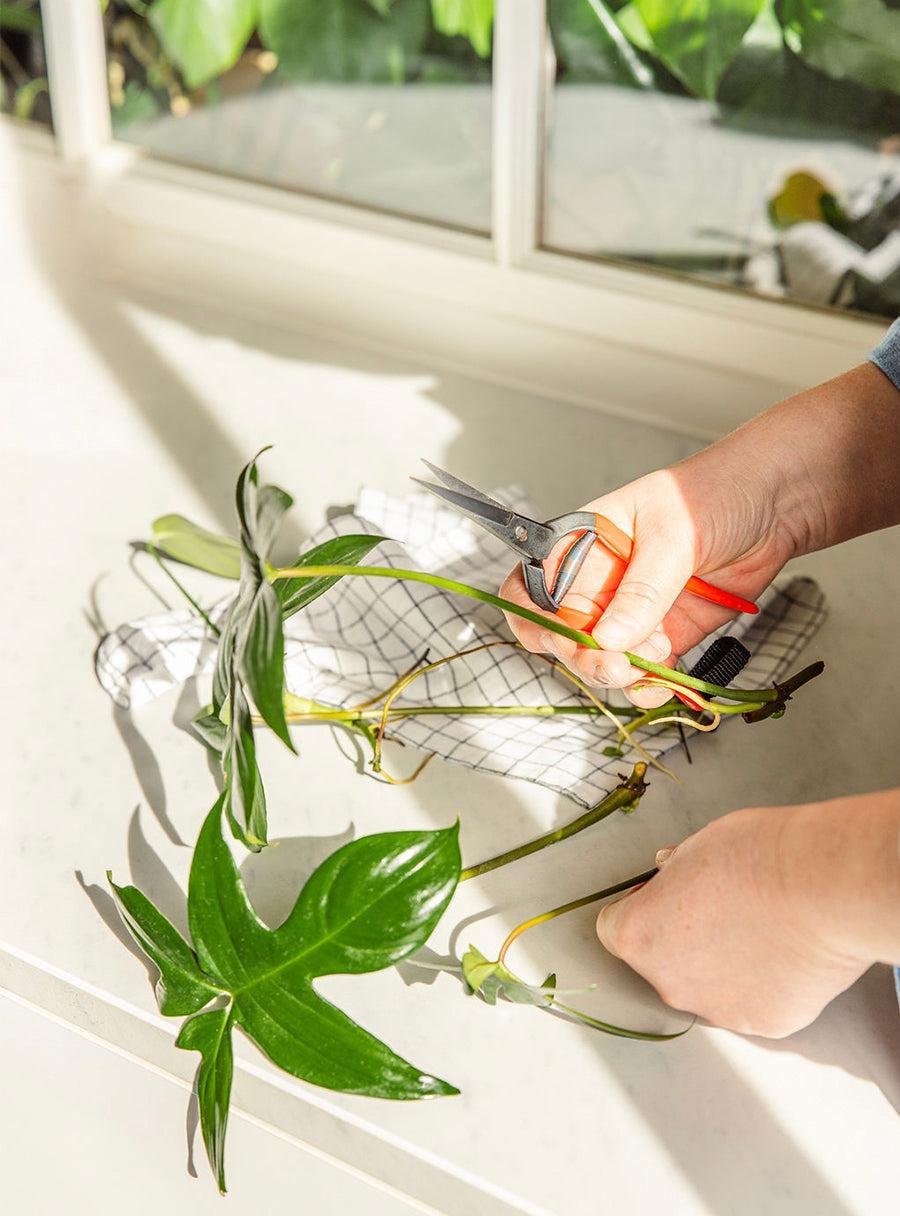
Flower pressing tools
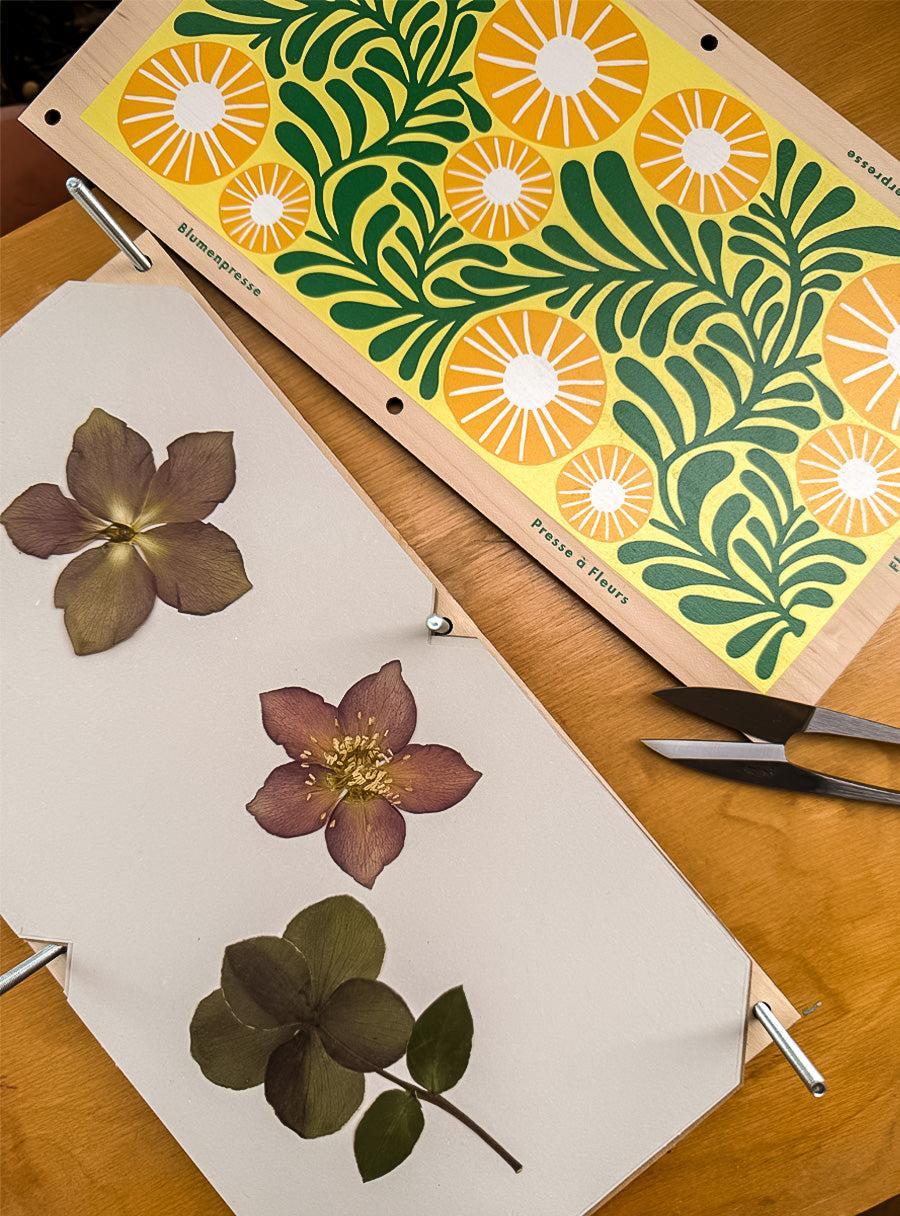
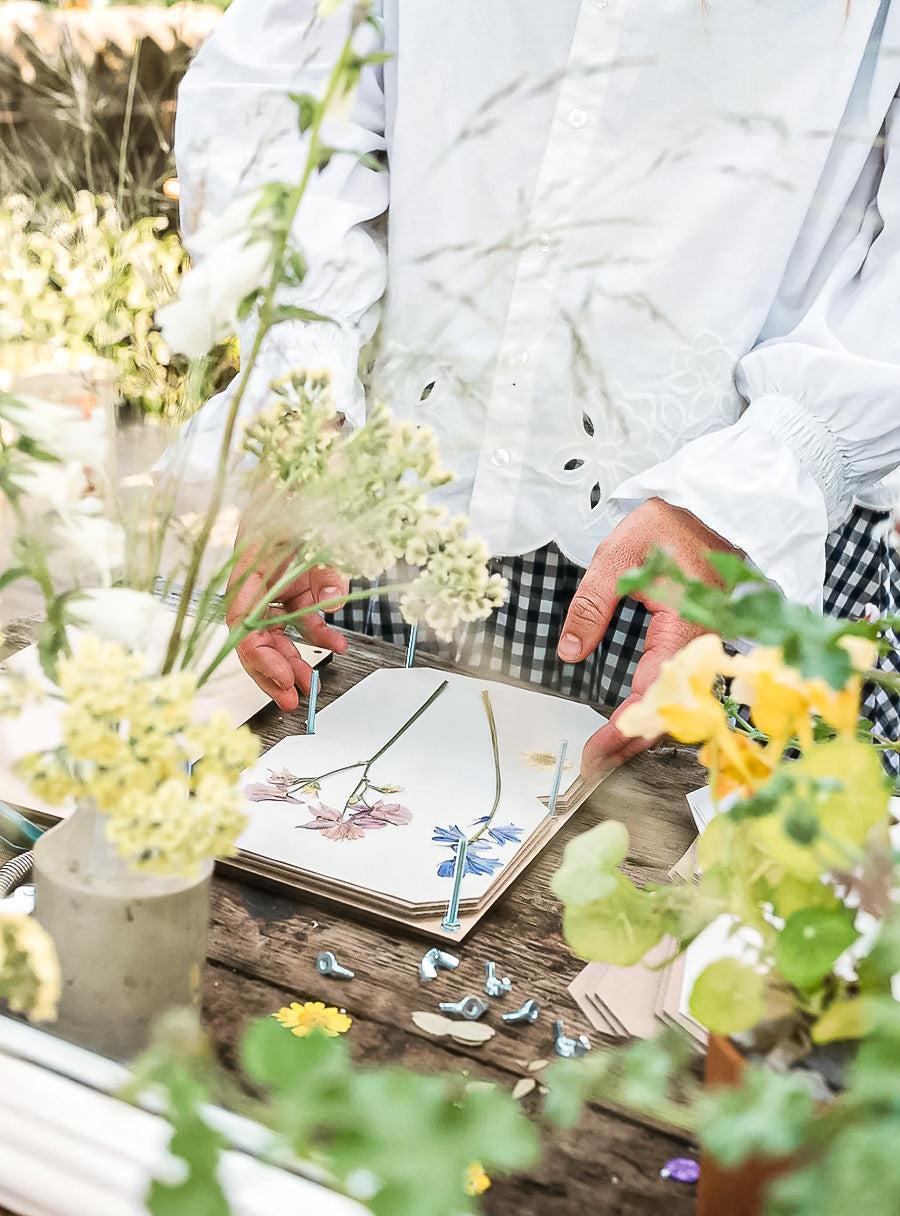

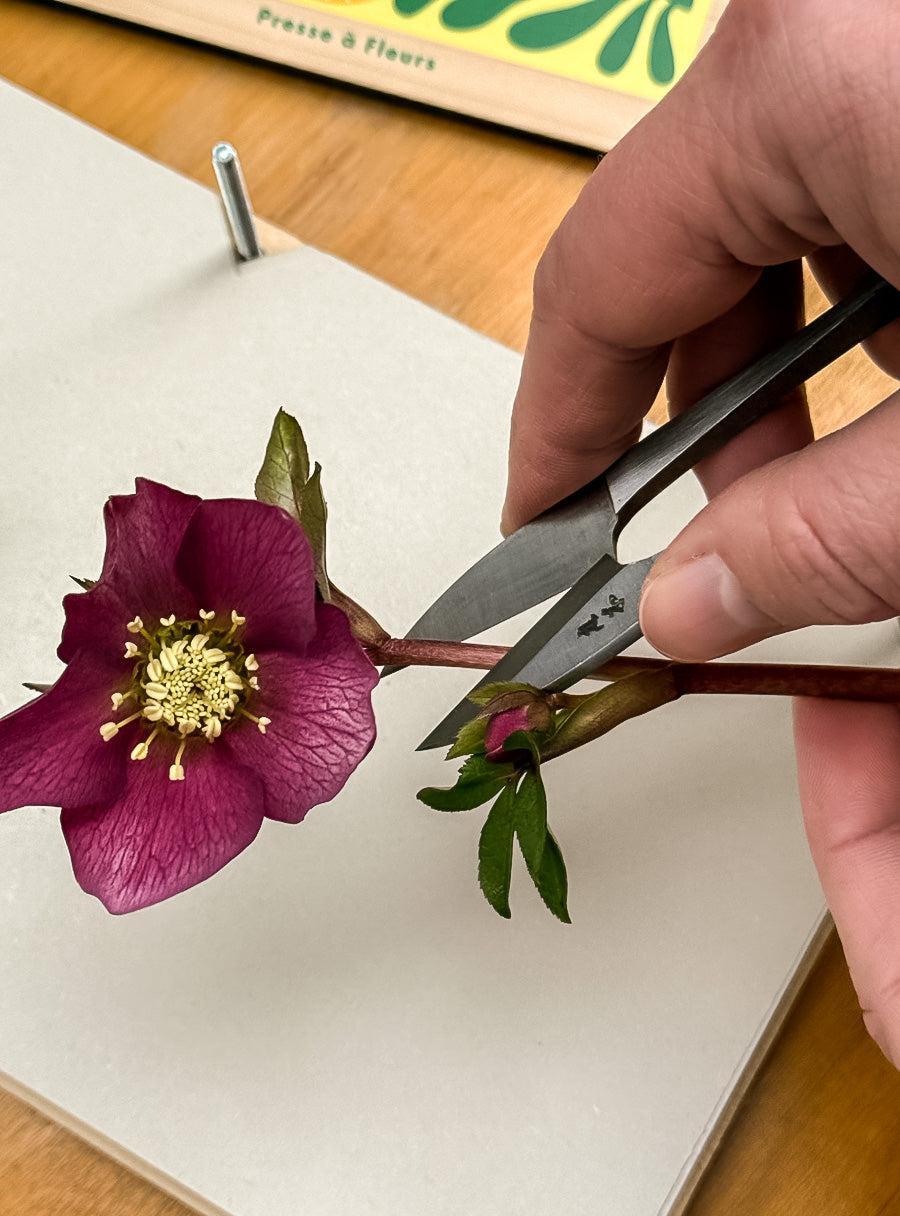
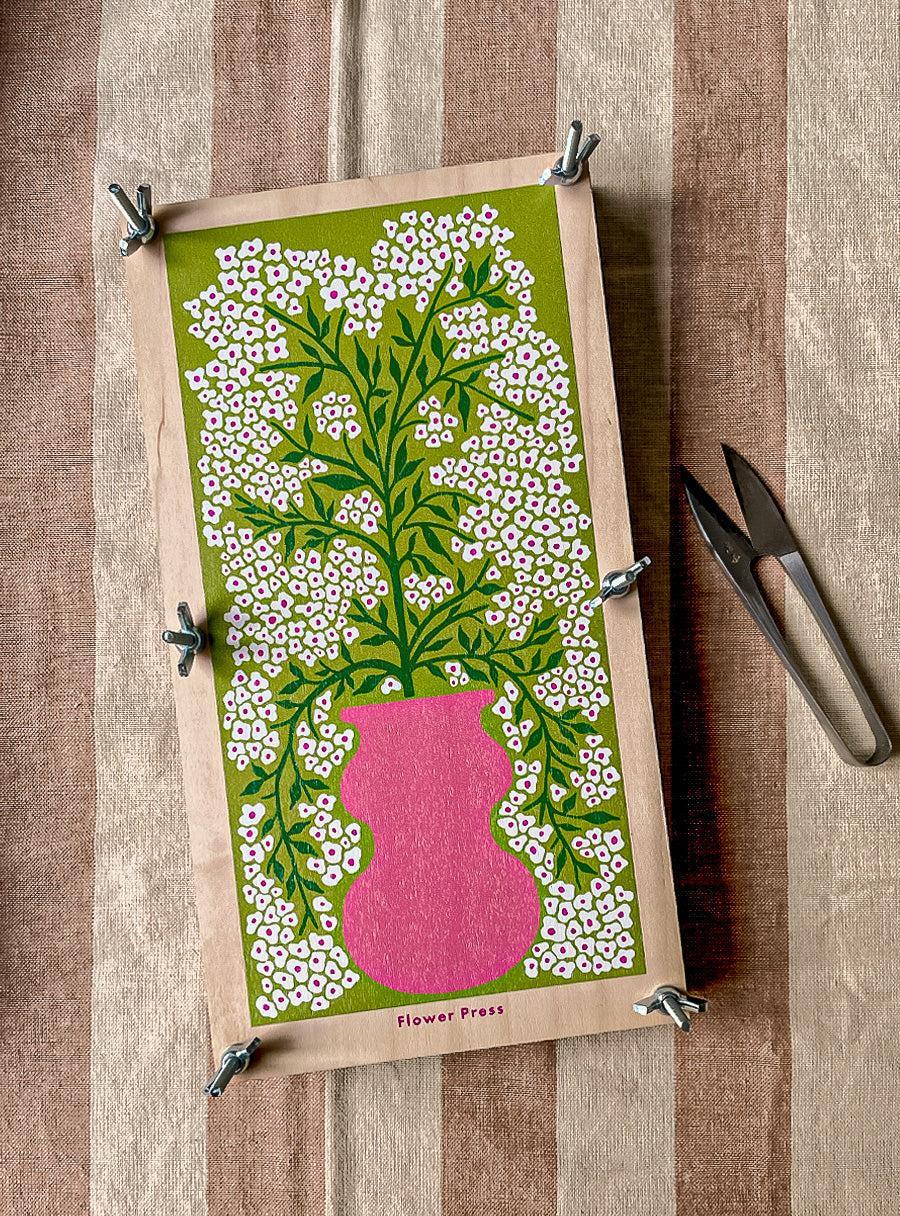
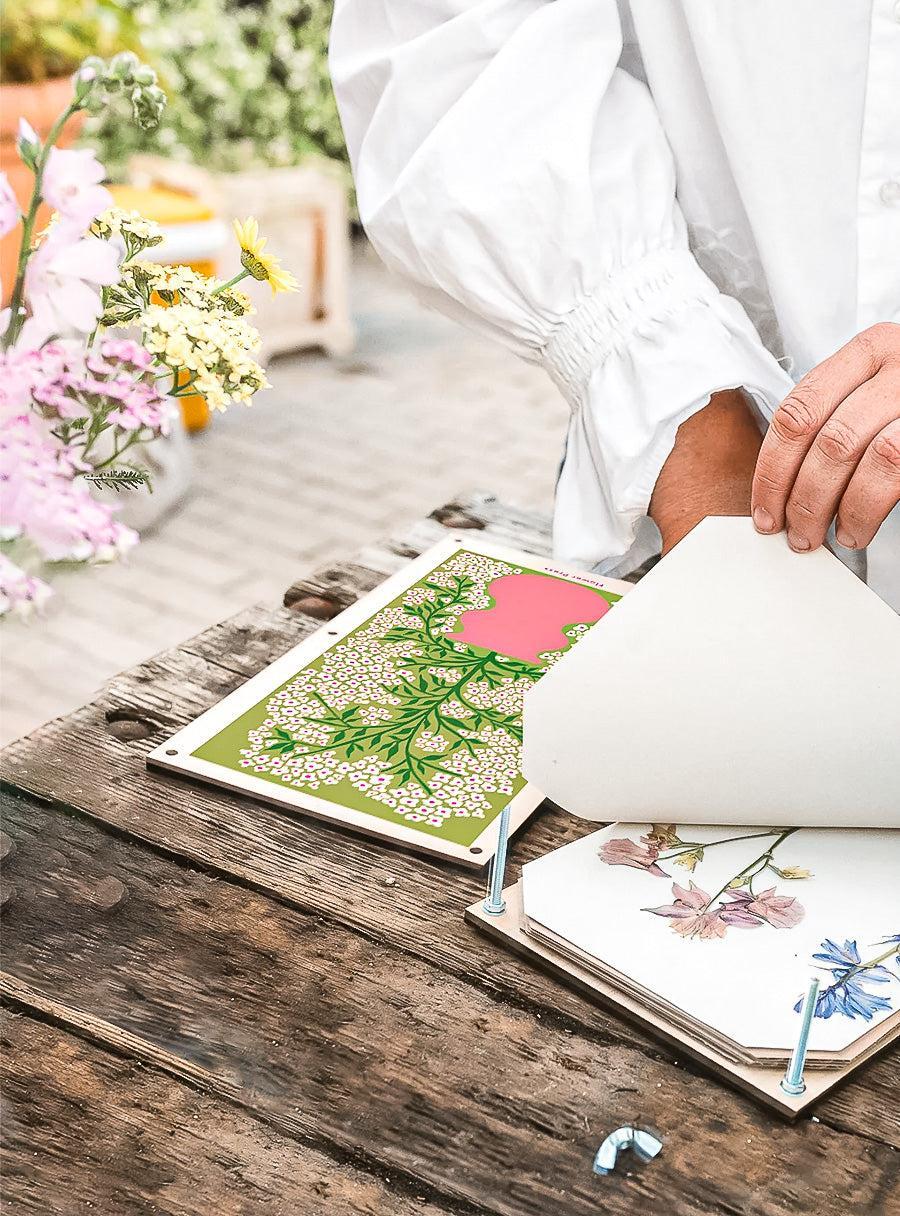
Once created, these materials will find their place in larger compositions. Kept out of direct sunlight, they will retain their color longer.