
Tools & Gardening Tips
Japanese Secateurs Care - How Do I Do?
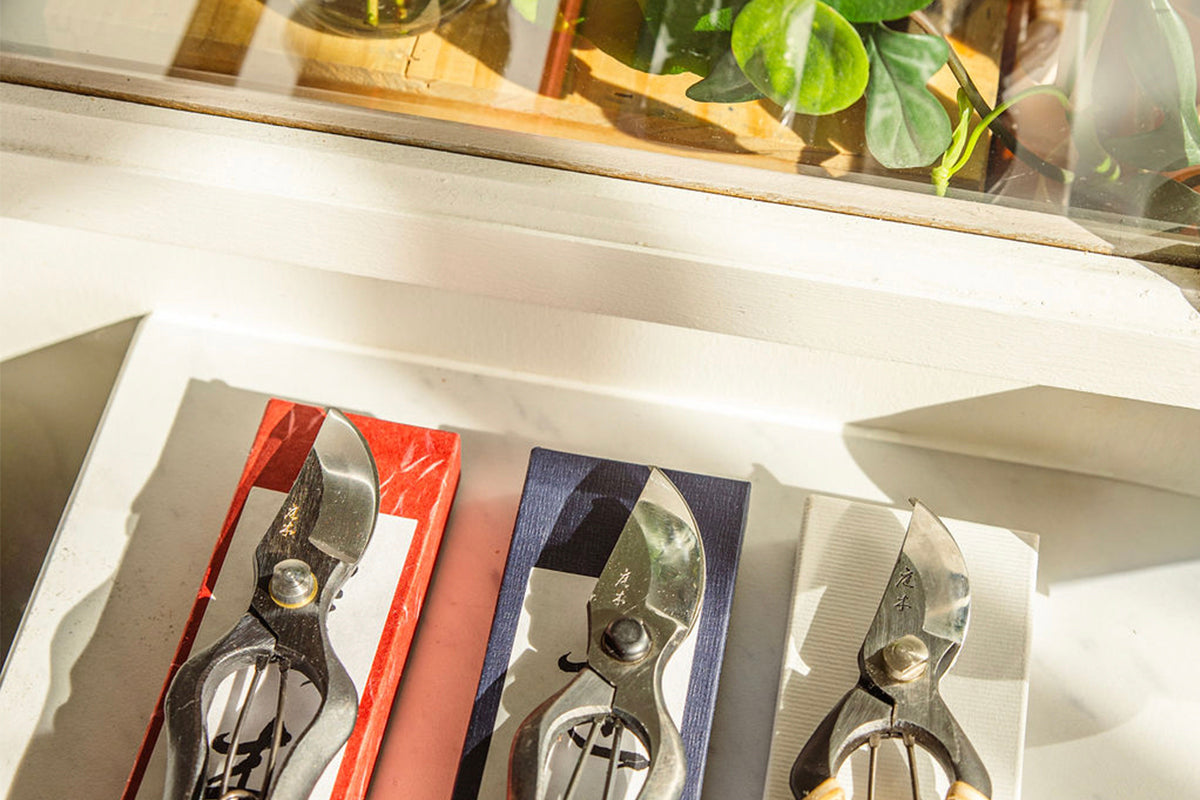
Secateurs and Japanese carbon steel gardening tools are renowned for their exceptional sharpness and superior quality.
However, to preserve these characteristics and prevent rust, regular maintenance is essential. Here are our tips for keeping your secateurs in perfect condition.
Proper use of Japanese secateurs
To ensure the longevity of your secateurs:
- Avoid inappropriate materials: Do not cut wire, metal, stone, or plastic with your Japanese secateurs.
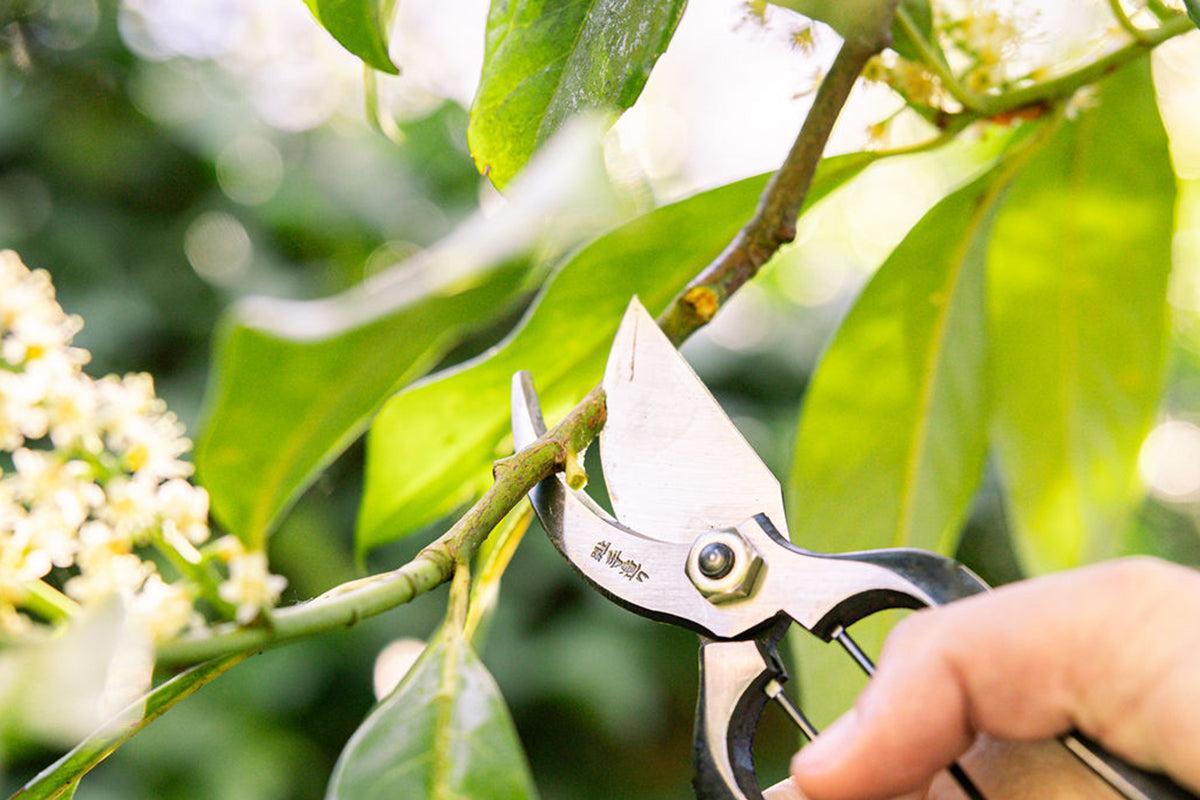
- Cutting technique: Make diagonal cuts on branches and twigs, without twisting or applying uneven pressure.
- Respect the capacities: Do not exceed the recommended maximum cutting dimensions.
Keep your Japanese secateurs clean
After each gardening session:
- Residue removal: Gently scrape resin and dirt from the blades.
- Cleaning: If necessary, rinse the secateurs with warm water and dry them thoroughly with a clean cloth.
- Stain removal: For stubborn stains, use a soft brush with a mild detergent.
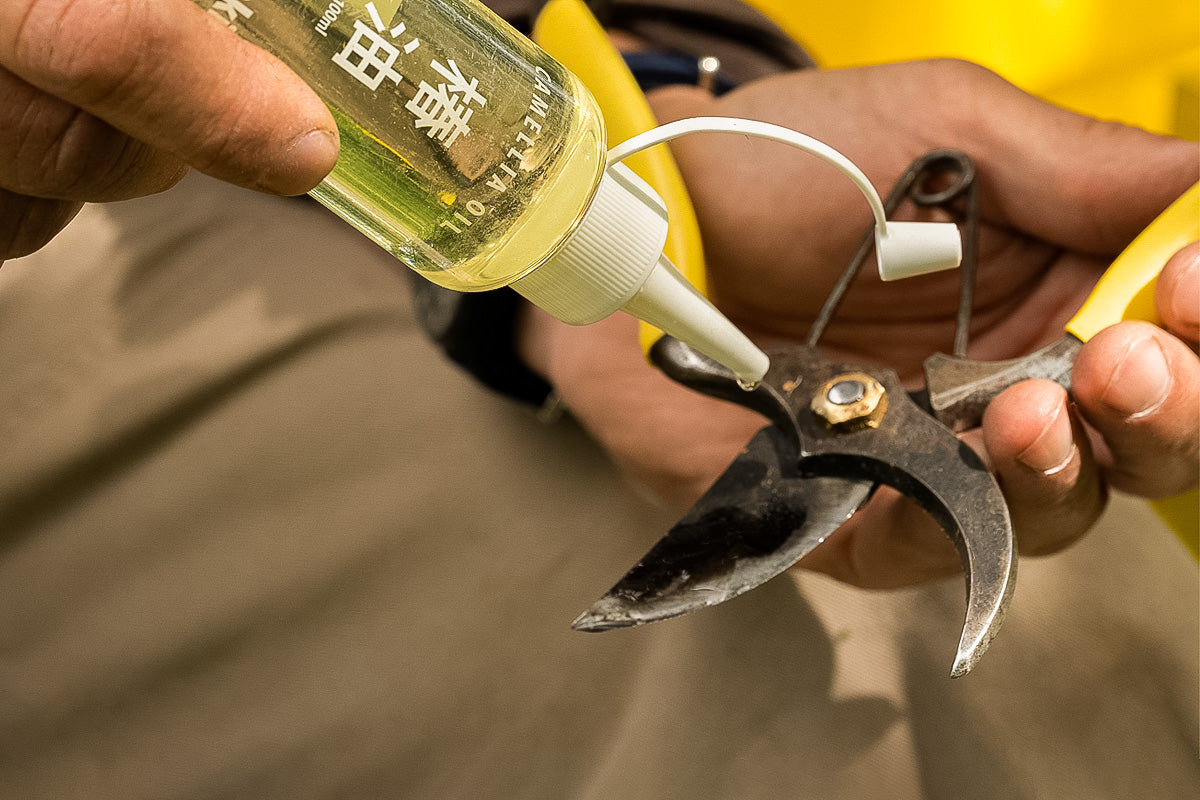
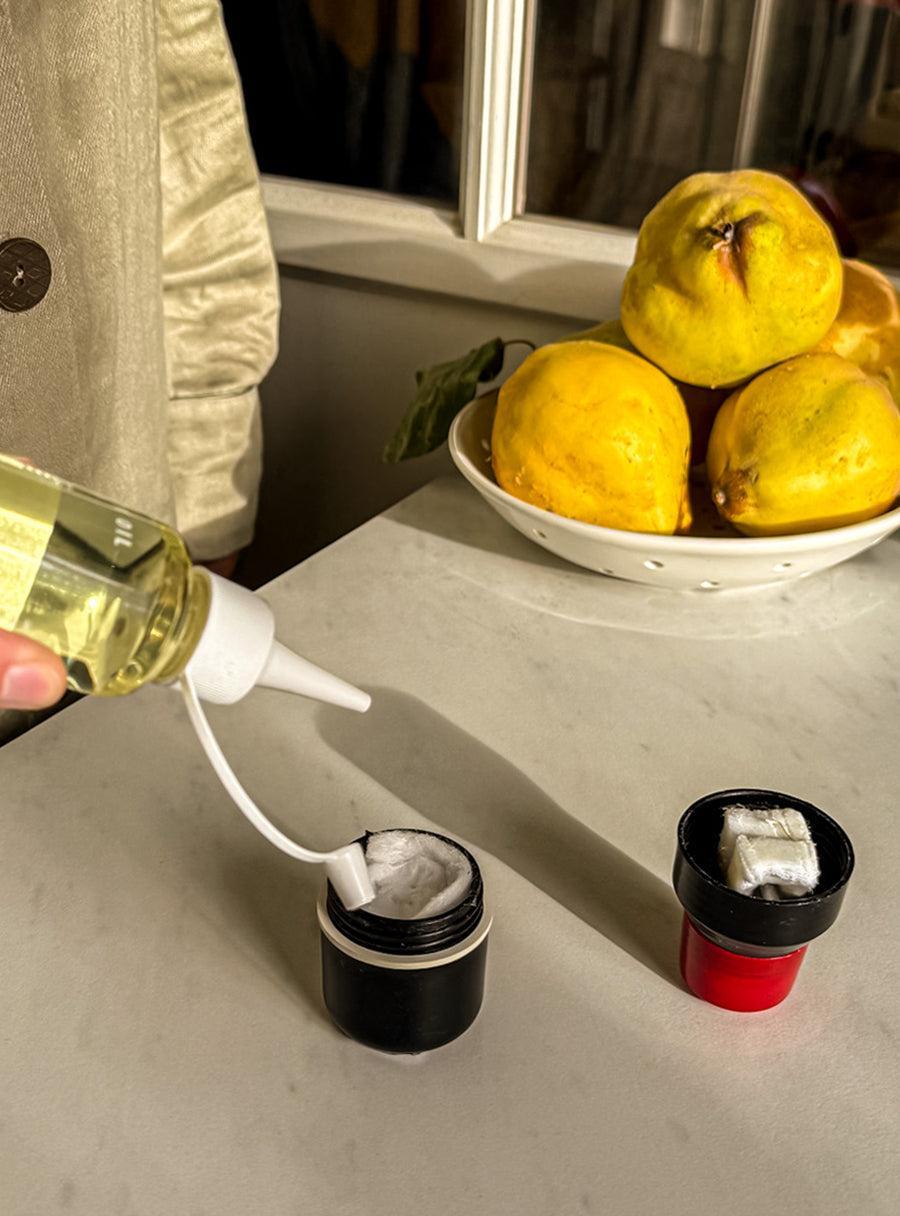
- Rust protection: Rub the blades with a cleaning eraser and apply camellia oil to remove residue and protect the steel. With its applicator pad, it’s even more convenient.

Regular sharpening for optimal performance
To ensure clean cuts:
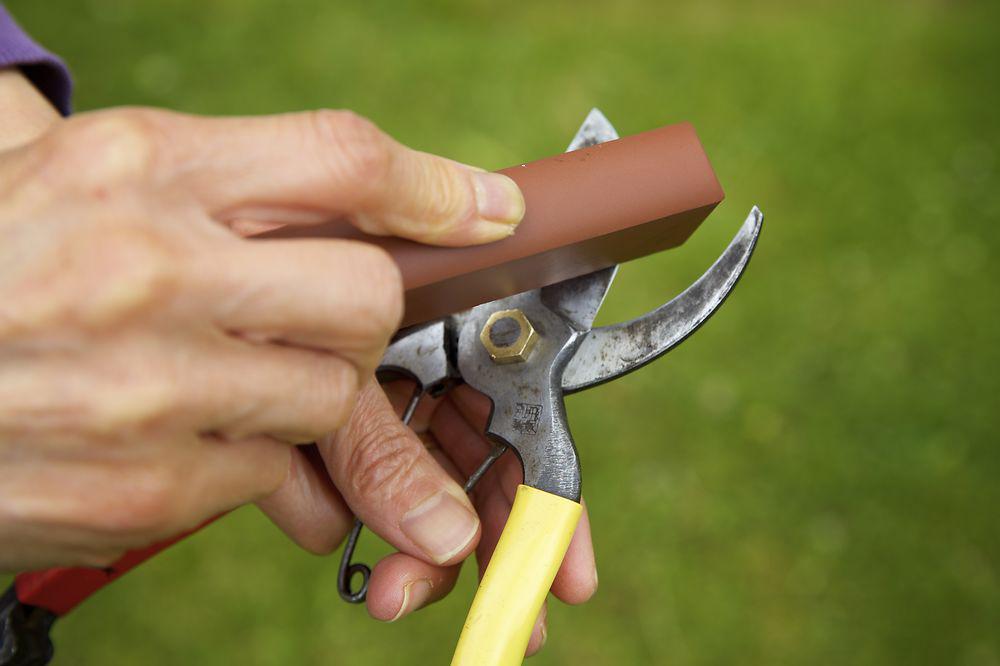
- Recommended tool: Use a medium-grit sharpening stone to regularly sharpen your Japanese secateurs. Soak the stone in water for five minutes before use and splash with water during use to keep the stone moist.
- Sharpening frequency: Sharpen your secateurs every two weeks if you use them regularly. For optimal results, sharpen your shears after each use.
Storage and preventive maintenance
- Lubrication: After cleaning, apply a thin layer of camellia oil to the blades to prevent rust.
- Storage: Store your secateurs in a dry place, away from moisture.
By following these recommendations, your tools will maintain their sharpness and cutting precision over the long term.
Discover our forged Japanese secateurs